Imagine having a garden teeming with beautiful shrubs and bushes, all grown from a single plant – and for free! It might sound like a dream, but with the simple technique of propagating hardwood cuttings, it’s a reality you can easily achieve. Join us on Garden – L. Quyên as we unlock the secrets to expanding your green haven, one cutting at a time!
What Are Hardwood Cuttings?
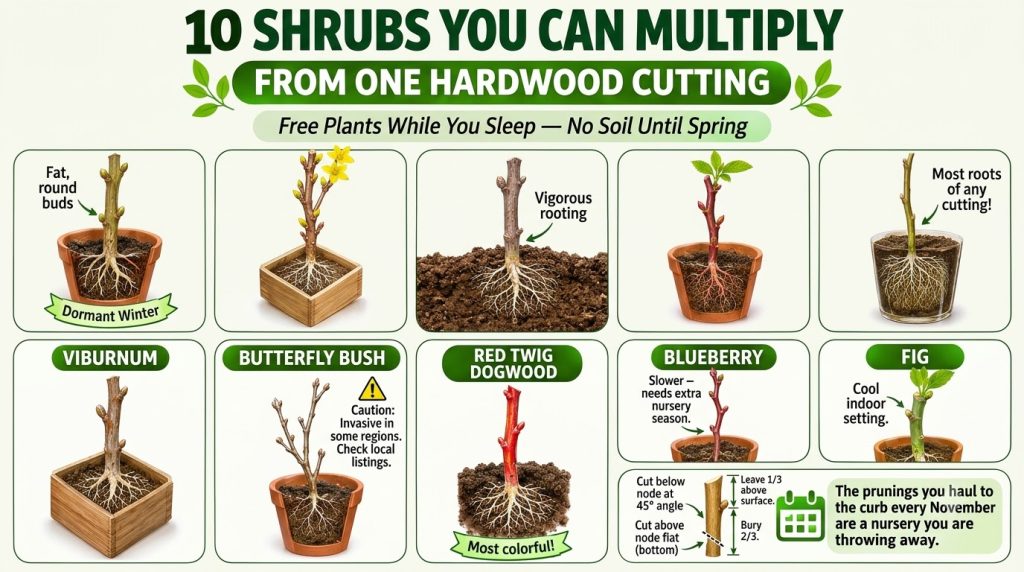
Hardwood cuttings are a fantastic way to propagate deciduous shrubs and trees. Unlike softwood or semi-hardwood cuttings taken from new, flexible growth, hardwood cuttings are taken from mature, woody stems that have completed their first season of growth. This means they are firm and less pliable, hence the name ‘hardwood’. This method is known for its reliability and is often preferred for a wide variety of plants.
Why Choose Hardwood Cuttings for Propagation?
- Cost-Effective: The biggest advantage is that you can get new plants for free! Instead of buying new specimens, you’re simply using material from existing plants.
- Reliable: Once rooted, hardwood cuttings tend to establish themselves robustly. They are less prone to rot and more resilient than softer cuttings.
- Expand Your Garden: Easily multiply your favorite shrubs, bushes, and even some fruit trees, allowing you to fill your garden beds, create hedges, or share with friends.
- Preserve Varieties: If you have a particularly cherished variety, propagating through cuttings ensures the new plant is genetically identical to the parent, maintaining its unique characteristics.
When Is the Best Time to Take Hardwood Cuttings?
The ideal time to take hardwood cuttings is during the dormant season, typically from late autumn (after leaves have fallen) through late winter (before new growth begins). This period allows the cuttings to focus their energy on root development rather than foliage production.
Step-by-Step Guide to Propagating Hardwood Cuttings
1. Selecting the Right Parent Plant and Stems
Choose a healthy, vigorous parent plant free from pests or diseases. Look for strong, straight stems that grew during the current year and are about the thickness of a pencil. Avoid very old or very young, thin growth.
2. Taking the Cuttings
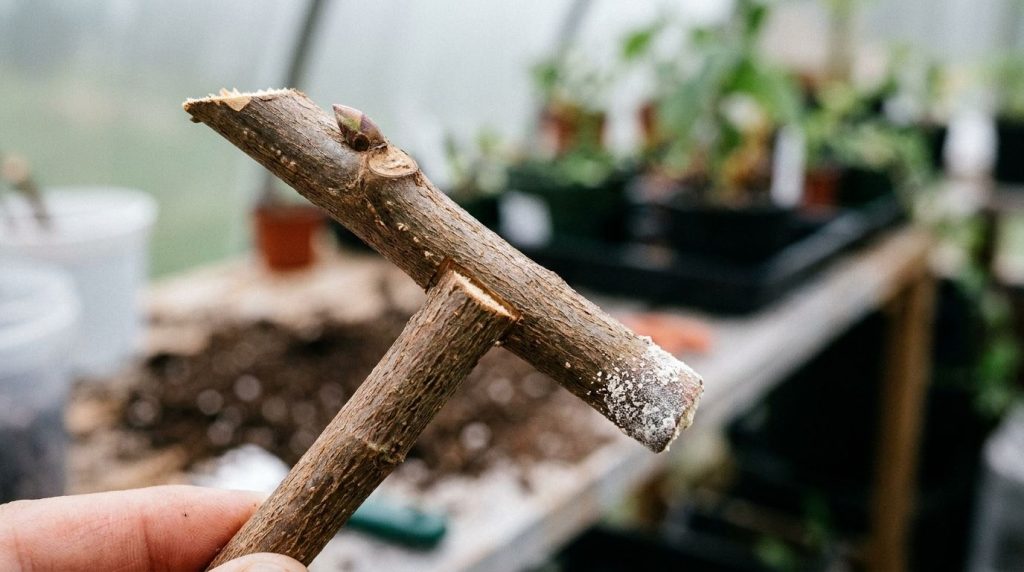
Using sharp, clean pruners, take cuttings that are about 6-12 inches (15-30 cm) long. Make a cut just below a bud or leaf node at the base, and a cut just above a bud at the top. It’s often helpful to make a slanting cut at the top and a straight cut at the bottom to easily remember which end is up.
3. Preparing the Cuttings for Rooting
Remove any remaining leaves from the lower two-thirds of the cutting. You can gently wound the bottom inch or two of the cutting by scraping a small strip of bark off one side. This exposes more cambium tissue, which encourages root formation. Dipping the bottom end into rooting hormone powder or gel can significantly increase success rates, though many plants will root without it.
4. Choosing Your Rooting Medium
A well-draining, sterile medium is crucial. Options include a mix of sand and peat, perlite and peat, or a good quality potting mix. The goal is to provide aeration and moisture without waterlogging. Individual pots or a communal trench in a protected garden bed can work.
5. Planting Your Cuttings
Insert the prepared cuttings into your rooting medium, ensuring at least two-thirds of the cutting is buried, with several nodes below the surface. If planting directly into a garden bed, create a trench, place the cuttings about 4-6 inches apart, and backfill, gently firming the soil around them. Water thoroughly.
6. Care and Patience
Place potted cuttings in a cool, bright location, ideally with bottom heat from a heating mat to stimulate root growth. If planted outdoors, choose a sheltered spot. Keep the medium consistently moist but not soggy. Rooting can take several weeks to many months, depending on the plant species. Patience is key!
Common Plants to Propagate with Hardwood Cuttings
Many popular garden plants thrive with this method. Some excellent choices include:
- Roses (many varieties)
- Forsythia
- Fig
- Dogwood
- Privet
- Willow
- Elderberry
- Currants and Gooseberries
Troubleshooting Common Issues
- No Rooting: Ensure proper timing, adequate moisture, and consider using rooting hormone. Some plants are simply harder to root than others.
- Rotting: This is usually due to too much moisture or a non-sterile medium. Ensure good drainage and avoid overwatering.
- Pests/Diseases: Start with healthy parent material and maintain good hygiene to prevent issues from spreading.
Conclusion
Propagating hardwood cuttings is a rewarding and economical way to multiply your garden’s bounty. With a little practice and patience, you’ll soon be enjoying an abundance of new shrubs and bushes, all grown by your own hands. So, grab those pruners this dormant season and start expanding your beautiful green space with Garden – L. Quyên!