Ever felt that mid-afternoon slump or a sudden drop in energy after a meal? It often has to do with how quickly your body processes the carbohydrates you eat. Not all carbs are created equal, and understanding the Glycemic Index (GI) can be a game-changer for maintaining steady energy levels throughout your day.
This article will dive into the world of low GI foods, explaining why they are so beneficial for your health and revealing some surprisingly delicious options that can help keep your blood sugar stable. Get ready to discover new favorites and empower yourself with consistent, balanced energy!
Benefits of Low GI Foods
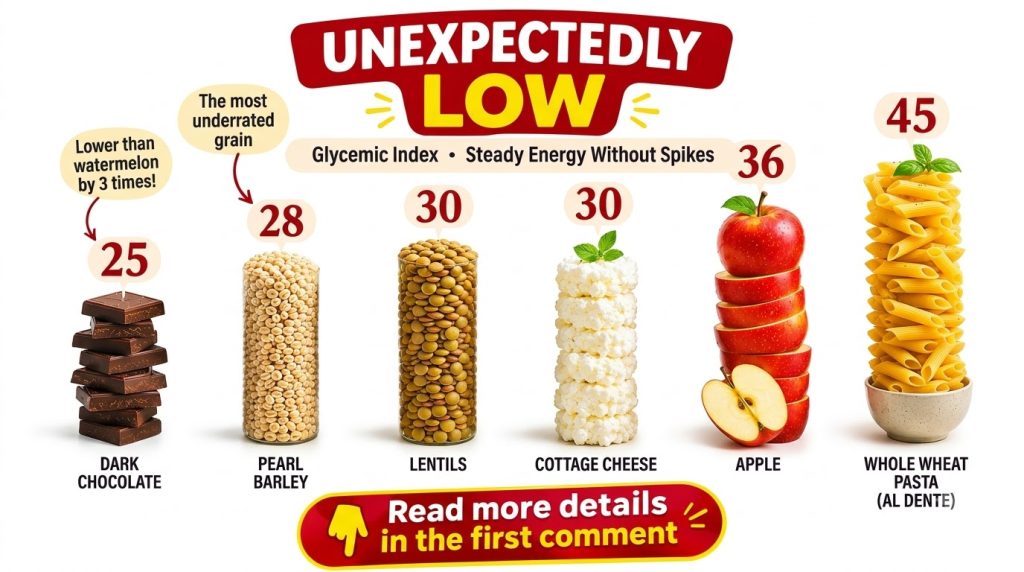
Choosing foods with a low Glycemic Index offers a wealth of benefits beyond just avoiding the dreaded sugar crash. These foods are digested and absorbed more slowly, leading to a gradual rise in blood sugar rather than a sharp spike.
- Sustained Energy: By releasing glucose steadily, low GI foods provide a continuous fuel supply, helping you stay energized and focused for longer periods.
- Better Blood Sugar Control: This is especially crucial for individuals managing diabetes, but beneficial for everyone in preventing insulin resistance over time.
- Improved Satiety: The slower digestion of low GI foods often means you feel fuller for longer, which can help in managing appetite and weight.
- Heart Health: Diets rich in low GI foods are often associated with better cholesterol levels and a reduced risk of heart disease.
- Weight Management Support: Feeling satisfied and energized can prevent overeating and make it easier to stick to healthy eating goals.
Understanding the Glycemic Index
The Glycemic Index is a system that ranks carbohydrate-containing foods based on how much they raise blood sugar levels after eating. Glucose, a simple sugar, is used as the reference food and has a GI value of 100.
- Low GI: Foods with a GI value of 55 or less. These cause a slow, steady rise in blood sugar.
- Medium GI: Foods with a GI value between 56 and 69.
- High GI: Foods with a GI value of 70 or more. These cause a rapid spike in blood sugar.
Factors like fiber content, fat, protein, and how a food is processed or cooked can all influence its GI value. For example, whole grains generally have a lower GI than refined grains because their fiber content slows down digestion.
Unexpectedly Low GI Foods to Add to Your Diet
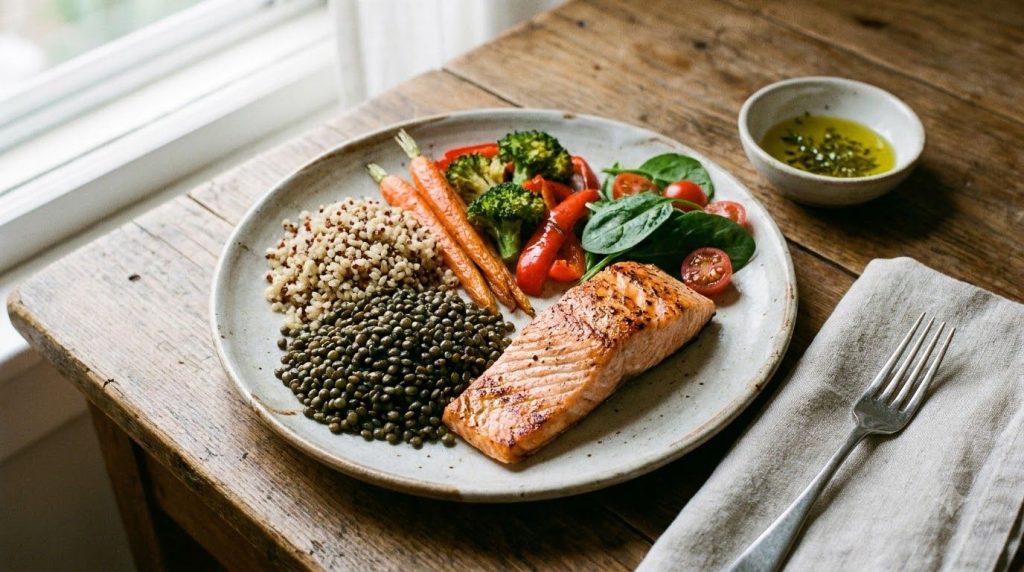
You might be surprised by some of the foods that fall into the low GI category. Here are a few nutritious options that can help you achieve steady energy without the sugar crash.
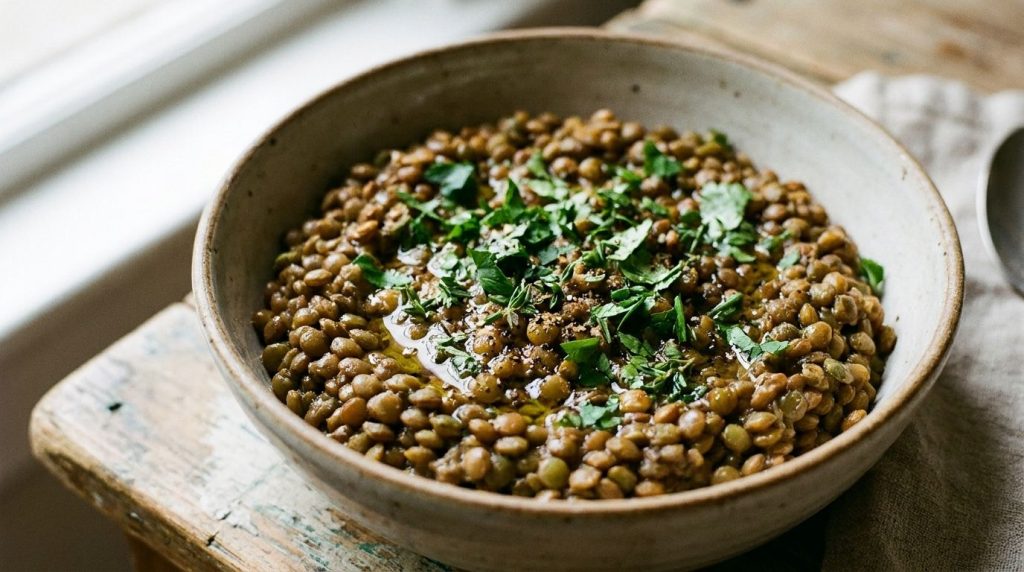
Lentils
- Nutrition Facts: Packed with plant-based protein, fiber, and essential minerals like iron and folate.
- Scientific Explanation: Their high fiber and protein content significantly slow down carbohydrate digestion and absorption, leading to a very low GI.
- Best Ways to Eat: Add them to soups, stews, salads, or make delicious lentil burgers. They are a versatile and affordable staple.
Pearl Barley
- Nutrition Facts: A good source of fiber (especially beta-glucans), manganese, and selenium.
- Scientific Explanation: Barley’s soluble fiber, particularly beta-glucans, forms a gel-like substance in the digestive tract, slowing glucose absorption and contributing to its low GI.
- Best Ways to Eat: Use it as a hearty alternative to rice in side dishes, risottos, or incorporate it into soups for added texture and nutrients.
Apple Slices
- Nutrition Facts: Rich in dietary fiber, especially pectin, and vitamin C.
- Scientific Explanation: The natural sugars in apples are accompanied by a substantial amount of fiber, which helps to moderate their effect on blood sugar. Eating the skin also boosts fiber intake.
- Best Ways to Eat: Enjoy them raw as a snack, sliced into oatmeal, or baked into healthy desserts.
Dark Chocolate (70% Cacao or Higher)
- Nutrition Facts: Contains antioxidants, fiber, iron, and magnesium.
- Scientific Explanation: The higher cocoa content means less sugar, and the presence of fat and fiber helps slow down sugar absorption, resulting in a low GI.
- Best Ways to Eat: A small square as a treat, melted over fruit, or added to healthy smoothies for a rich flavor.
Cottage Cheese
- Nutrition Facts: An excellent source of protein, calcium, and phosphorus, with relatively low carbs.
- Scientific Explanation: As a protein-rich dairy product with minimal carbohydrates, cottage cheese has a naturally very low GI, causing little to no impact on blood sugar.
- Best Ways to Eat: Enjoy it plain, with fresh fruit, in savory dishes, or as a high-protein addition to breakfast.
Whole Wheat Pasta
- Nutrition Facts: Offers more fiber, protein, and micronutrients compared to refined white pasta.
- Scientific Explanation: The intact bran and germ layers of whole wheat pasta provide more fiber, which slows down the digestion of carbohydrates. Cooking it al dente also helps maintain a lower GI.
- Best Ways to Eat: Pair it with plenty of vegetables and a lean protein for a complete, satisfying meal.
Practical Tips for Incorporating Low GI Foods
- Start Your Day Smart: Opt for low GI breakfast options like oatmeal (not instant), whole-grain bread with avocado, or cottage cheese with berries.
- Prioritize Whole Grains: Swap white bread, white rice, and regular pasta for their whole-grain counterparts like whole wheat bread, brown rice, quinoa, and whole wheat pasta.
- Load Up on Legumes: Beans, lentils, and chickpeas are incredibly versatile and can be added to almost any meal.
- Enjoy Fruits and Vegetables: Most non-starchy vegetables and many fruits (like apples and berries) are naturally low GI.
- Combine Foods: Pairing higher GI foods with protein, healthy fats, or fiber can lower the overall glycemic load of a meal. For example, add nuts to a banana.
- Portion Control: While low GI foods are beneficial, portion size still matters for overall calorie intake and managing blood sugar.
Potential Risks and Considerations
While focusing on low GI foods is a great strategy for many, it’s important to remember that the Glycemic Index is just one tool in a healthy eating approach. It doesn’t tell the whole nutritional story of a food. For instance, some high-fat foods might have a low GI but aren’t necessarily the healthiest choice if consumed in excess.
Always consider the overall nutritional value of your diet, aiming for a balance of whole, unprocessed foods. If you have specific health concerns or dietary needs, it’s always best to consult with a qualified healthcare professional or registered dietitian for personalized advice.
FAQs About Low GI Foods
What is the difference between Glycemic Index (GI) and Glycemic Load (GL)?
GI ranks how quickly a carbohydrate raises blood sugar. GL takes into account both the GI and the actual amount of carbohydrates in a typical serving size, giving a more realistic picture of a food’s impact on blood sugar.
Can I eat high GI foods if I also eat low GI foods?
Yes, balance is key! Pairing a higher GI food with protein, fiber, or healthy fats can help lower the overall glycemic response of the meal.
Are all fruits low GI?
Most fruits are low to medium GI, thanks to their fiber content. However, some fruits like watermelon or pineapple can be higher, though still nutritious in moderation.
Is cooking method important for GI?
Yes, cooking methods can affect GI. For example, overcooking pasta can raise its GI, while al dente pasta has a lower GI. Frying can also change GI values compared to boiling or steaming.
Do low GI foods help with weight loss?
Low GI foods can support weight management by promoting satiety and helping to control appetite, which may lead to reduced calorie intake. However, they are not a magic solution; overall diet and lifestyle are crucial.
Where can I find GI values for other foods?
Many online databases, such as those from the University of Sydney, provide comprehensive lists of food GI values.
Conclusion
Embracing low GI foods is a simple yet powerful way to enhance your energy levels, support blood sugar control, and contribute to overall well-being. By making conscious choices to include more lentils, whole grains, fruits, and even a little dark chocolate, you can transform your daily meals into sources of sustained vitality.
Ready to feel more balanced and energized? Start exploring these unexpected low GI foods and integrate them into your routine. Your body will thank you!
This content is for educational purposes only and should not be considered medical advice. Consult a qualified healthcare professional for personalized dietary recommendations.