When we think about boosting our health, sometimes the smallest ingredients pack the biggest punch. Seeds are tiny nutritional powerhouses that often get overlooked, but they are brimming with vitamins, minerals, healthy fats, and fiber. Adding a variety of seeds to your diet can be an incredibly simple yet effective way to support everything from heart health to digestion and even healthy skin.
In this article, we’ll explore seven exceptional seeds that deserve a spot in your pantry. You’ll discover their unique nutritional profiles, incredible health benefits, and practical ways to incorporate them into your daily meals. Get ready to unlock nature’s secret for improved wellness!
Why Seeds Matter for Your Health
Seeds are concentrated sources of essential nutrients. Because they contain all the necessary components for a plant to grow, they are naturally packed with a dense array of vitamins, minerals, antioxidants, and healthy fats. Incorporating a variety of seeds into your diet can:
- Support Heart Health: Many seeds are rich in omega-3 fatty acids, which are known for their anti-inflammatory properties and ability to support cardiovascular well-being.
- Aid Digestion: High fiber content helps promote regularity and a healthy gut microbiome.
- Provide Antioxidant Protection: Seeds contain compounds that help fight off free radicals, protecting your cells from damage.
- Boost Energy Levels: A combination of healthy fats, protein, and complex carbohydrates provides sustained energy.
- Help with Weight Management: The fiber and protein in seeds can help you feel full and satisfied, potentially reducing overall calorie intake.
7 Powerhouse Seeds and Their Benefits
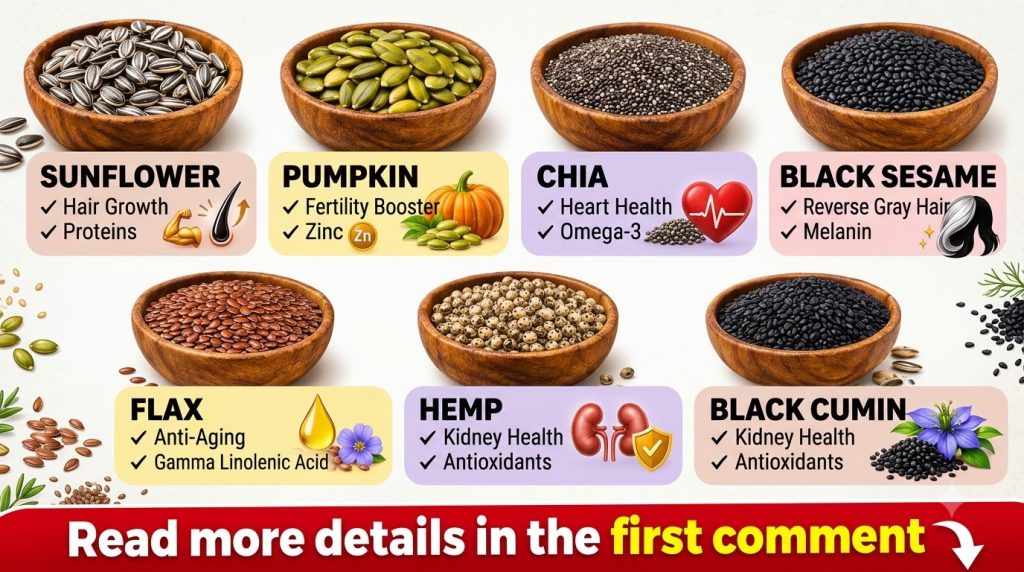
Let’s dive into some of the most beneficial seeds you can add to your diet. Below is a chart highlighting their nutritional value and main advantages per 1 ounce (about 2 tablespoons) serving.
| Food (1 oz/28g) | Calories | Protein (g) | Carbs (g) | Fat (g) | Fiber (g) | Main Nutrients | Best Benefit |
|---|---|---|---|---|---|---|---|
| Chia Seeds | 138 | 4.7 | 12 | 8.7 | 9.8 | Omega-3, Fiber, Calcium | Digestive Health, Antioxidants |
| Flax Seeds | 150 | 5.1 | 8.2 | 12 | 7.8 | Omega-3 (ALA), Lignans, Fiber | Heart Health, Hormonal Balance |
| Hemp Seeds | 166 | 9.5 | 2.6 | 14.6 | 1.1 | Omega-3 & 6, Protein, Magnesium | Muscle Support, Anti-inflammatory |
| Pumpkin Seeds | 163 | 8.6 | 4.6 | 14 | 1.7 | Magnesium, Zinc, Iron | Prostate Health, Immune Support |
| Sunflower Seeds | 165 | 5.8 | 6.8 | 14.4 | 3.1 | Vitamin E, Selenium, Magnesium | Skin Health, Antioxidant Protection |
| Black Sesame Seeds | 160 | 5 | 8 | 14 | 3 | Calcium, Iron, Magnesium | Bone Health, Antioxidants |
| Black Cumin Seeds | 160 | 8 | 15 | 15 | 4 | Thymoquinone, Antioxidants | Immune Modulation, Anti-inflammatory |
Nutrition Comparison: What Makes Each Seed Special?
- Chia Seeds: Known for their ability to absorb liquid and form a gel, chia seeds are a fantastic source of soluble fiber, which can help regulate blood sugar and keep you feeling full. They are also packed with omega-3 fatty acids and calcium.
- Flax Seeds: These tiny brown seeds are most potent when ground, as it helps your body absorb their beneficial omega-3 ALA (alpha-linolenic acid) and lignans, which are powerful antioxidants that may support hormonal balance and heart health.
- Hemp Seeds: Hulled hemp seeds offer a complete protein, meaning they contain all nine essential amino acids. They are also an excellent source of magnesium and a balanced ratio of omega-3 and omega-6 fatty acids, which can support overall inflammation reduction.
- Pumpkin Seeds: Often enjoyed roasted, pumpkin seeds are rich in zinc, important for immune function, and magnesium, a mineral vital for muscle and nerve function, blood sugar control, and blood pressure regulation. They may also support prostate health.
- Sunflower Seeds: These popular seeds are loaded with Vitamin E, a potent antioxidant that supports skin health and immune function. They also provide selenium and magnesium.
- Black Sesame Seeds: A powerhouse of calcium, iron, and magnesium, black sesame seeds have been traditionally used for their antioxidant properties and ability to support bone health.
- Black Cumin Seeds (Nigella Sativa): Also known as black seed, these unique seeds contain thymoquinone, a compound with powerful anti-inflammatory and antioxidant effects. Research suggests they can support immune modulation.
Best Ways to Incorporate Seeds into Your Diet
Adding seeds to your meals is easier than you might think. Here are some simple and delicious ideas:
- Smoothies: Blend a tablespoon or two of chia, flax, or hemp seeds into your morning smoothie for an extra boost of fiber and omega-3s.
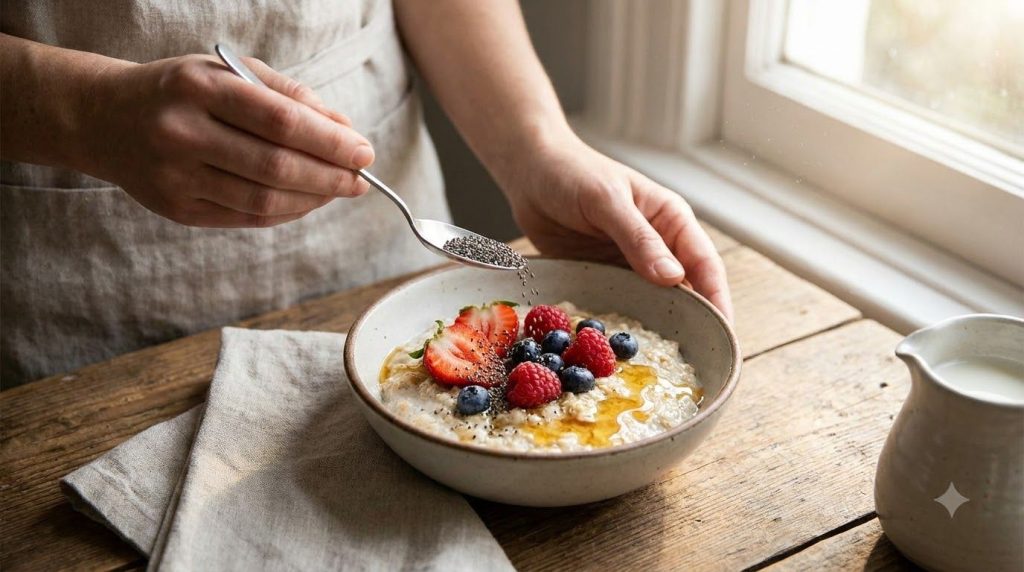
- Yogurt & Oatmeal: Sprinkle any variety of seeds over your yogurt, granola, or oatmeal.
- Salads: Toasted pumpkin or sunflower seeds add a delightful crunch and extra nutrients to any salad.
- Baked Goods: Incorporate seeds into muffins, breads, cookies, or energy bars.
- Breading & Crusts: Use ground flax or sesame seeds as a healthier coating for chicken or fish.
- Puddings: Create a simple chia seed pudding by mixing chia seeds with milk (dairy or non-dairy) and letting it sit overnight.
- Trail Mixes: Combine your favorite seeds with nuts and dried fruit for a custom healthy snack.
Who Should Eat More Seeds?
While almost everyone can benefit from adding seeds to their diet, certain individuals might find them particularly helpful:
- Vegetarians & Vegans: Hemp seeds, in particular, are an excellent plant-based source of complete protein.
- Those Seeking Digestive Support: Chia and flax seeds are rich in fiber, promoting healthy digestion and regularity.
- Individuals Focused on Heart Health: Seeds like flax, chia, and hemp are rich in omega-3 fatty acids, which can contribute to cardiovascular well-being.
- People Managing Blood Sugar: The fiber and healthy fats in seeds can help slow down sugar absorption, promoting stable blood sugar levels.
- Anyone Looking for a Nutrient Boost: Seeds are an easy way to increase your intake of various vitamins and minerals without significantly altering your diet.
Practical Tips for Enjoying Seeds
- Start Small: If you’re new to seeds, begin with a small amount (e.g., 1 tablespoon) and gradually increase your intake to allow your digestive system to adjust to the increased fiber.
- Grind Flax Seeds: For optimal absorption of omega-3s, always grind flax seeds just before use or buy pre-ground flax meal.
- Store Properly: Due to their healthy fat content, seeds can go rancid. Store them in an airtight container in a cool, dark place, or for longer freshness, keep them in the refrigerator or freezer.
- Variety is Key: Don’t stick to just one type of seed. Enjoying a mix ensures you get a wider range of nutrients and benefits.
- Hydrate: When consuming high-fiber seeds like chia and flax, make sure to drink plenty of water throughout the day.
FAQs About Seeds for Health
What is the best way to store seeds?
To keep seeds fresh and prevent them from going rancid, store them in an airtight container in a cool, dark place. For longer shelf life, especially for seeds high in healthy fats like flax and hemp, refrigeration or freezing is recommended.
Do I need to grind flax seeds?
Yes, for optimal nutrient absorption, it’s best to grind flax seeds just before you eat them. Whole flax seeds can pass through your digestive system largely undigested, meaning you won’t get all of their beneficial omega-3s and lignans.
Are there any side effects of eating too many seeds?
While seeds are healthy, consuming them in excessive amounts, especially if you’re not used to high fiber intake, can lead to digestive discomfort like bloating, gas, or constipation. Always increase your intake gradually and drink plenty of water.
Can seeds help with weight loss?
Seeds can be a helpful part of a weight management plan due to their fiber and protein content, which can increase feelings of fullness and reduce overall calorie intake. However, they are also calorie-dense, so portion control is important.
Are all seeds healthy?
Generally, most edible seeds are healthy. However, some processed seed products or those roasted in unhealthy oils with excessive salt can negate some of the benefits. Opt for raw or lightly roasted, unsalted varieties when possible.
How much should I eat daily?
A typical recommendation is 1-2 tablespoons of seeds per day, but this can vary depending on the specific seed and your individual dietary needs. It’s best to consult with a healthcare professional for personalized advice.
Can children eat seeds?
Many seeds can be a nutritious addition to a child’s diet, especially when ground or incorporated into other foods to prevent choking hazards. Always consult with a pediatrician for specific recommendations regarding young children.
Conclusion
From the mighty chia to the versatile sunflower, seeds are small packages of incredible nutrition. By incorporating a variety of these powerhouse ingredients into your daily routine, you’re not just adding flavor and texture; you’re actively supporting your heart, gut, immune system, and overall vitality. Experiment with different types, find your favorites, and enjoy the numerous health benefits these tiny treasures have to offer.
Ready to explore more ways to boost your health through food? Discover more healthy eating tips and delicious recipes on our website!
This content is for educational purposes only and should not be considered medical advice. Consult a qualified healthcare professional for personalized dietary recommendations.