When it comes to natural sweetness, both bananas and dates are popular choices for a quick energy boost or a healthy snack. But have you ever wondered how these two beloved fruits stack up against each other, especially when it comes to sugar content and overall nutrition? Understanding their differences can help you make more informed choices for your daily diet.
This comparison will dive deep into the nutritional profiles of bananas and dates, exploring their calories, protein, fiber, and of course, their natural sugars. We’ll look at what makes each fruit unique, who might benefit most from eating them, and how to enjoy them as part of a balanced diet. Get ready to discover which fruit might be your ideal healthy snack!
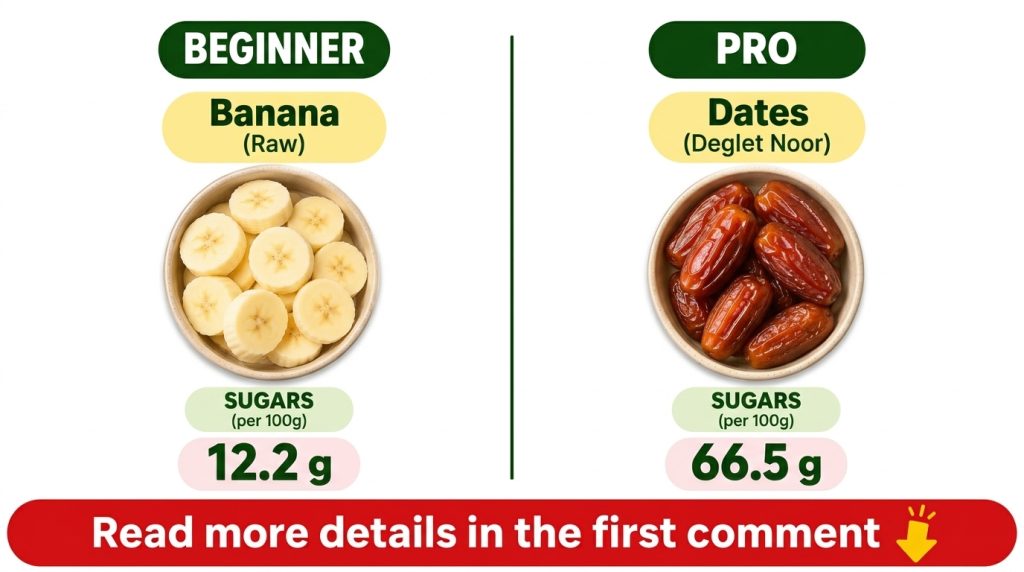
Nutrition Comparison: Banana vs. Dates (per 100g)
Let’s start by looking at a quick overview of how these two fruits compare nutritionally. Keep in mind that these are approximate values for raw banana and dried dates.
| Nutrient | Banana (raw) | Dates (dried, Deglet Noor) |
|---|---|---|
| Calories | ~89 kcal | ~282 kcal |
| Protein | ~1.1 g | ~2.5 g |
| Carbs | ~22.8 g | ~75 g |
| Sugar | ~12.2 g | ~63 g |
| Fat | ~0.3 g | ~0.4 g |
| Fiber | ~2.6 g | ~8 g |
| Main Nutrients | Potassium, Vit B6, Vit C | Potassium, Magnesium, Copper, Vit B6 |
Sugar Content
This is often the most talked-about difference. Dates are significantly higher in natural sugars compared to bananas, primarily because they are dried and their water content is removed, concentrating their sugars. While both offer natural sugars, the sheer volume in dates means a smaller serving delivers a much higher sugar load. For those watching their sugar intake, this is a key factor.
Calories
Due to their concentrated nature, dates are calorie-dense. A 100g serving of dates provides more than three times the calories of the same amount of banana. This makes dates an excellent energy source, particularly for athletes or those needing a quick calorie boost, but also means portion control is essential for weight management.
Protein and Fat
Both fruits are relatively low in protein and fat, as is typical for most fruits. Dates have slightly more protein per 100g, but neither is a significant source of these macronutrients in a typical diet.
Fiber
Dates are a fantastic source of dietary fiber, offering about three times more than bananas per 100g. Fiber is crucial for digestive health, helping to maintain bowel regularity and promoting a feeling of fullness. Bananas still provide a good amount of fiber, which can aid digestion, especially when slightly unripe.
Vitamins and Minerals
- Bananas: Well-known for their high potassium content, which is vital for heart health and blood pressure regulation. They also provide a good amount of Vitamin B6, important for metabolism, and Vitamin C, an antioxidant.
- Dates: Also rich in potassium and Vitamin B6. They stand out with notable amounts of magnesium, essential for muscle and nerve function, and copper, involved in energy production and iron absorption.
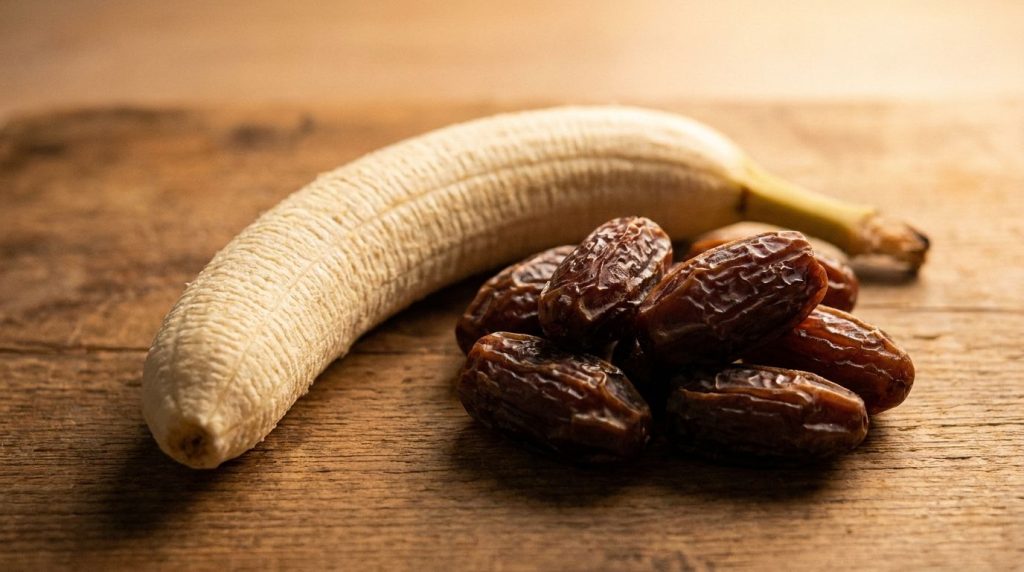
Taste Profile
- Bananas: Offer a creamy texture and a mild, sweet flavor. Their sweetness increases as they ripen, becoming softer and more aromatic.
- Dates: Have a rich, caramel-like sweetness and a chewy texture. Their intense flavor makes them a natural sweetener in many recipes.
Best For: Who Should Eat What?
- Bananas are great for:
- Everyday snacking: Lower in calories and sugar per serving, making them suitable for regular consumption.
- Post-workout recovery: Provide readily available carbs and potassium to replenish energy and electrolytes.
- Digestive comfort: The fiber can aid digestion, and bananas are often gentle on the stomach.
- Dates are great for:
- High-energy needs: Excellent for athletes, hikers, or anyone needing a quick, concentrated energy source.
- Natural sweetener: A healthier alternative to refined sugars in baking, smoothies, or desserts.
- Fiber boost: A small serving can significantly contribute to your daily fiber intake, supporting gut health.
The “Winner”: It Depends on Your Goals!
There’s no single “winner” in this comparison, as both bananas and dates offer unique benefits. Your choice largely depends on your individual dietary needs and goals.
- If you’re looking for a lower-calorie, moderate-sugar snack for regular enjoyment, the banana is likely your go-to.
- If you need a quick, concentrated energy source, a powerful fiber boost, or a natural sweetener with intense flavor, dates are an excellent choice in moderation.
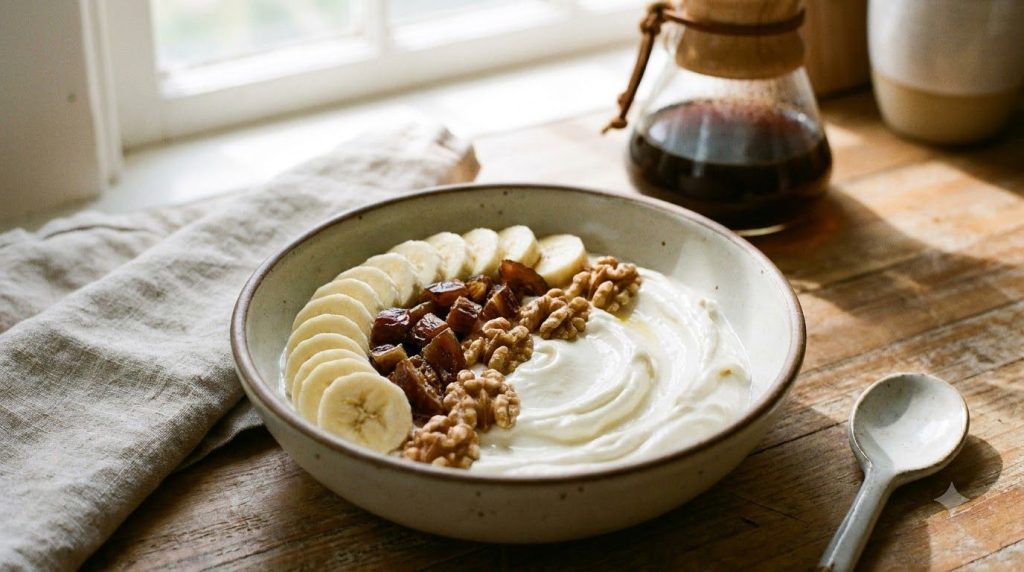
Practical Tips for Enjoying Bananas and Dates
- Portion Control: Be mindful of serving sizes, especially with dates, due to their higher calorie and sugar content. A small handful (2-3 dates) is a good serving.
- Pair with Protein/Fat: To slow down sugar absorption and increase satiety, pair both fruits with a source of protein or healthy fat, like nuts, seeds, or Greek yogurt.
- Blend into Smoothies: Both are excellent in smoothies for natural sweetness and thickness.
- Baking & Cooking: Use mashed bananas for moist baked goods or chopped dates as a natural sweetener in energy bars.
- Experiment: Try adding dates to salads for a sweet contrast or enjoy a banana with a tablespoon of nut butter for a satisfying snack.
FAQs About Bananas and Dates
Are dates really that much higher in sugar than bananas?
Yes, per 100 grams, dried dates contain significantly more sugar (around 63g) than raw bananas (around 12g). This is mainly because dates are dried, which removes water and concentrates the natural sugars.
Can people with diabetes eat dates or bananas?
Both can be included in a diabetes-friendly diet in moderation. Due to their high sugar content, dates should be consumed in smaller portions and ideally paired with protein or fat to help manage blood sugar response. Bananas also contain natural sugars, so portion size is important. Always consult a healthcare professional for personalized dietary advice.
Are dates good for weight loss?
While dates are calorie-dense, their high fiber content can help promote satiety and curb cravings, which can be beneficial for weight management when consumed in moderation. However, due to their calorie count, excessive consumption could contribute to weight gain.
Which fruit is better for a pre-workout snack?
Both are good! Bananas offer quick-digesting carbs and potassium, making them excellent for sustained energy. Dates provide a more concentrated energy source, ideal if you need a rapid fuel boost. Choose based on your activity level and energy needs.
Do bananas have more potassium than dates?
While bananas are famous for potassium, dates also contain a substantial amount. Per 100g, dried dates often have slightly more potassium than raw bananas, further highlighting their nutritional density.
Can I eat dates every day?
Yes, consuming dates daily in moderation (e.g., 2-3 dates) can be part of a healthy diet, providing fiber, potassium, and other minerals. Just be mindful of the total calorie and sugar intake.
Conclusion
Both bananas and dates are nutrient-rich fruits that can play a valuable role in a healthy diet. Bananas offer a convenient, lower-calorie, and potassium-packed option for everyday snacking and gentle energy. Dates, on the other to hand, provide a powerful punch of concentrated energy, fiber, and minerals, making them ideal for specific needs like intense activity or as a natural sweetener.
The key is to understand their unique profiles and enjoy them in ways that align with your health goals. Don’t shy away from either; instead, appreciate the diverse benefits each brings to your plate! Keep exploring new ways to incorporate these natural wonders into your meals and snacks.
This content is for educational purposes only and should not be considered medical advice. Consult a qualified healthcare professional for personalized dietary recommendations.

