When it comes to healthy fats, Omega-3 fatty acids are often the star of the show. These essential fats play a crucial role in heart health, brain function, and reducing inflammation. While fish like salmon are well-known sources, many plant-based foods also offer a significant amount of Omega-3s, specifically alpha-linolenic acid (ALA).
Among the top contenders in the plant-based world are walnuts and flaxseeds. Both are celebrated for their nutritional benefits and versatility, but which one truly packs a more powerful Omega-3 punch? Understanding their differences can help you make informed choices for your diet, adding invaluable nutrients to your meals and snacks.
In this article, we’ll dive deep into a head-to-head comparison of walnuts and flaxseeds, examining their nutritional profiles, taste, and best uses. By the end, you’ll know which one might be your new go-to for boosting your Omega-3 intake.

Nutrition Comparison: Walnuts vs. Flaxseeds (Per 1 Ounce/28g Serving)
Let’s break down the nutritional facts for both walnuts and ground flaxseeds, as grinding flaxseeds makes their nutrients more bioavailable.
| Nutrient | Walnuts (1 oz/28g) | Ground Flaxseeds (1 oz/28g) |
|---|---|---|
| Calories | 185 kcal | 150 kcal |
| Protein | 4g | 5g |
| Carbs | 4g | 8g |
| Fat (Total) | 18g | 12g |
| Fiber | 2g | 8g |
| Omega-3 ALA | 2.5g | 6.4g |
| Main Nutrients | Manganese, Copper, Magnesium | Thiamine, Magnesium, Phosphorus, Lignans |
| Best Benefit | Brain health, Antioxidants | Digestive health, Hormone balance, Omega-3 |
Calories
Walnuts are slightly higher in calories per serving compared to ground flaxseeds. This is largely due to their higher total fat content. Both are calorie-dense foods, meaning a small amount provides a good deal of energy, making them excellent for satiety.
Protein
Flaxseeds offer a slightly higher amount of protein per ounce than walnuts. While neither is a primary protein source, they contribute to your daily protein intake, especially for those following plant-based diets.
Fat
Both walnuts and flaxseeds are rich in healthy fats. Walnuts contain more total fat, but flaxseeds stand out significantly in their Omega-3 ALA content. This essential fatty acid is vital for reducing inflammation and supporting overall cardiovascular health.
Carbs
Flaxseeds have a higher carbohydrate count, but a significant portion of that comes from fiber. Walnuts have a slightly lower carbohydrate content overall.
Fiber
This is where flaxseeds truly shine. With 8 grams of fiber per ounce, ground flaxseeds are an excellent source of dietary fiber, promoting digestive health, regulating blood sugar, and supporting satiety. Walnuts also provide fiber but in a smaller amount.
Vitamins & Minerals
Walnuts are notably rich in manganese and copper, which are important for bone health and antioxidant defenses. They also contain good amounts of magnesium. Flaxseeds are excellent sources of thiamine (Vitamin B1), magnesium, and phosphorus, all crucial for energy metabolism and bone health. Flaxseeds also contain lignans, compounds with antioxidant and estrogenic properties.
Taste
Walnuts have a distinctive earthy, slightly bitter, and buttery flavor with a crunchy texture. They can add a robust taste to dishes. Flaxseeds, especially when ground, have a milder, slightly nutty, and subtly earthy flavor. Their texture is fine and can blend seamlessly into various recipes without overpowering other ingredients.
Best For
Walnuts: Due to their distinct flavor and texture, walnuts are fantastic in baked goods like brownies and muffins, salads, oatmeal, and as a standalone snack. Their rich flavor complements savory dishes well.
Flaxseeds: Ground flaxseeds are incredibly versatile. They can be added to smoothies, yogurt, oatmeal, and used as an egg substitute in baking (known as a ‘flax egg’). Their mild taste makes them easy to incorporate without altering the flavor profile significantly.

Winner: Omega-3 Content
If your primary goal is to maximize your Omega-3 ALA intake from a plant-based source, ground flaxseeds are the clear winner, offering more than double the amount per serving compared to walnuts. However, both are incredibly healthy foods that deserve a place in your diet.
Walnuts still provide a significant amount of Omega-3 ALA and offer a different array of nutrients and a unique flavor profile. The best approach is often to include both in your diet to benefit from their diverse nutritional contributions.
Practical Tips for Incorporating Walnuts and Flaxseeds
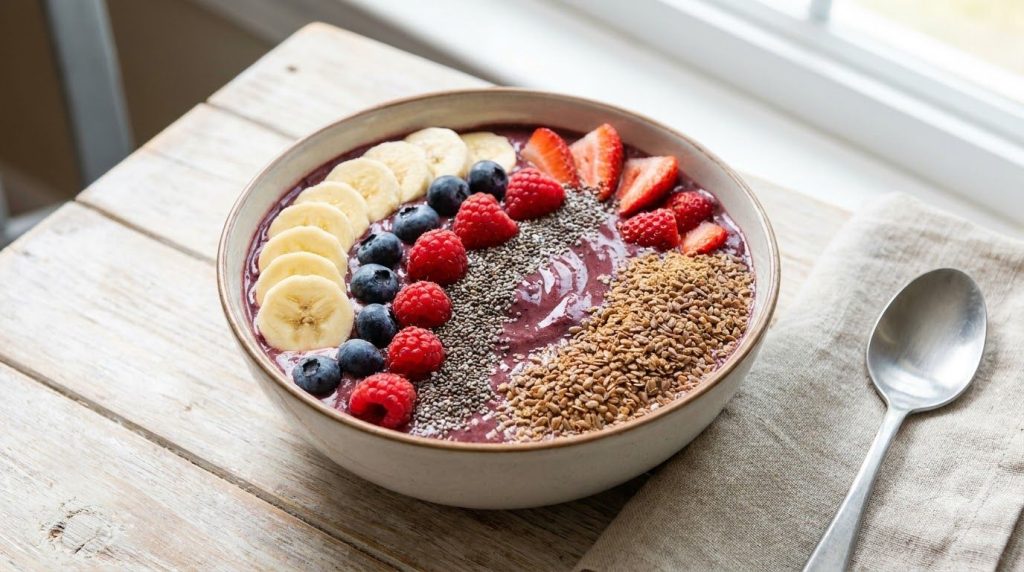
- Morning Boost: Add a tablespoon of ground flaxseeds or a handful of chopped walnuts to your breakfast cereal, yogurt, or smoothie.
- Baking Power: Use flaxseeds as an egg replacer (1 tbsp ground flax + 3 tbsp water = 1 egg). Add chopped walnuts to breads, muffins, and cookies.
- Salad Toppers: Sprinkle either over salads for added crunch and nutrition.
- Savory Dishes: Incorporate walnuts into pesto, stir-fries, or sprinkle over roasted vegetables. Flaxseeds can be added to breading for chicken or fish.
- Snacks: Enjoy a small handful of raw walnuts as a quick, satisfying snack.
FAQs
Q: Is it better to eat whole or ground flaxseeds?
A: It’s generally better to consume ground flaxseeds. The whole seeds can pass through your digestive system mostly intact, preventing you from absorbing their valuable Omega-3s and other nutrients.
Q: How much Omega-3 ALA do I need daily?
A: The adequate intake (AI) for ALA is 1.6 grams per day for adult men and 1.1 grams per day for adult women. A single serving of ground flaxseeds easily helps you meet these recommendations.
Q: Can I substitute walnuts for flaxseeds in recipes?
A: It depends on the recipe. For Omega-3 content, ground flaxseeds are superior. For texture and flavor, walnuts offer a different profile. In some baking recipes, flaxseeds can act as a binder, which walnuts cannot.
Q: Are there any side effects of eating too many flaxseeds or walnuts?
A: Both are generally safe in moderate amounts. Excessive intake, especially of flaxseeds, could lead to digestive upset due to high fiber. Walnuts, being calorie-dense, can contribute to weight gain if consumed in very large quantities.
Q: Do walnuts and flaxseeds need to be refrigerated?
A: Yes, it’s highly recommended to store both walnuts and ground flaxseeds in the refrigerator or freezer. Their healthy fats, especially Omega-3s, are susceptible to oxidation and can go rancid quickly at room temperature, affecting taste and nutritional value.
Conclusion
Both walnuts and flaxseeds are nutritional powerhouses, each bringing unique benefits to your table. While walnuts offer a good dose of Omega-3 ALA along with essential minerals and antioxidants, ground flaxseeds clearly take the lead when it comes to maximizing your plant-based Omega-3 intake per serving. Beyond Omega-3s, flaxseeds provide an impressive amount of fiber and beneficial lignans.
The best strategy for a healthy diet is often variety. Incorporating both walnuts and flaxseeds into your meals allows you to enjoy their distinct flavors, textures, and comprehensive nutritional profiles. So, whether you sprinkle them on your yogurt, blend them into a smoothie, or bake them into your favorite treats, these tiny foods offer huge health rewards.
This content is for educational purposes only and should not be considered medical advice. Consult a qualified healthcare professional for personalized dietary recommendations.