Are you looking to boost your protein intake but aren’t sure which foods deliver the biggest punch? Understanding how to hit your daily protein goals is a cornerstone of healthy eating. Protein is vital for building and repairing tissues, making enzymes and hormones, and providing a feeling of fullness that can help with weight management.
This guide offers a clear look at various tasty options, each providing approximately 30 grams of protein! Whether you’re an athlete, trying to manage your weight, or simply aiming for a more balanced diet, knowing these protein-packed choices can make meal planning much easier. Get ready to fuel your body and stay satisfied throughout the day.
Why 30 Grams of Protein?
For many adults, aiming for around 20-30 grams of protein per meal is a great strategy. This amount can effectively stimulate muscle protein synthesis, which is crucial for muscle repair and growth, especially after exercise. It also helps to keep you feeling full and satisfied, reducing the likelihood of overeating later in the day.
Your 30-Gram Protein Food Chart
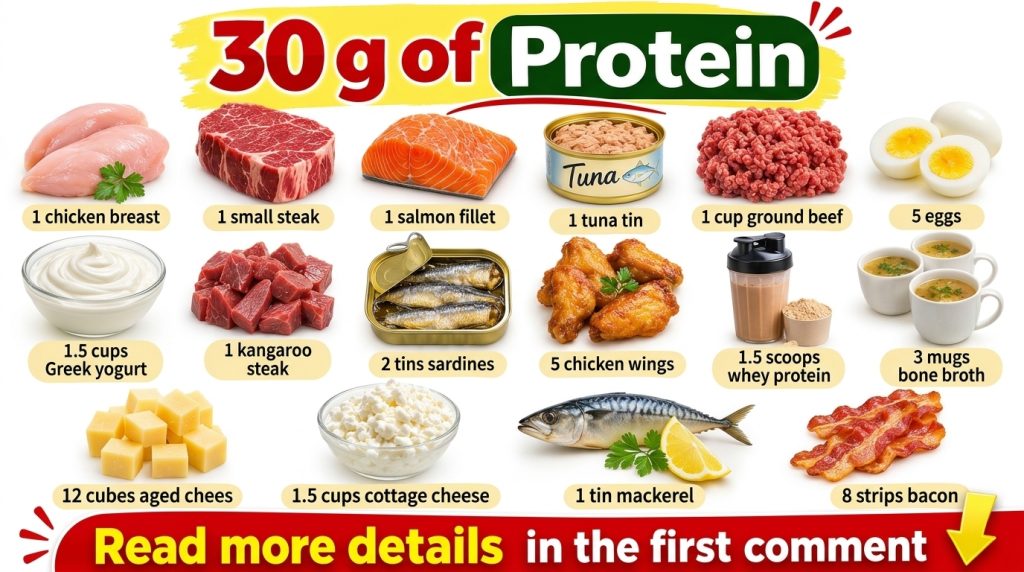
Let’s dive into some common foods and the approximate serving sizes needed to hit that 30-gram protein mark. Remember, these are approximate values and can vary slightly based on cooking methods and specific brands.
| Food | Approx. Serving Size for 30g Protein | Calories (approx.) | Carbs (approx.) | Fat (approx.) | Fiber (approx.) | Main Nutrients | Best Benefit |
|---|---|---|---|---|---|---|---|
| Chicken Breast (cooked) | 3.5 oz (100g) | 165 | 0g | 3g | 0g | Niacin, B6, Selenium | Lean muscle building |
| Salmon (cooked) | 4-5 oz (115-140g) | 250 | 0g | 12g | 0g | Omega-3s, B12, Vitamin D | Heart health, anti-inflammatory |
| Lean Ground Beef (cooked) | 4 oz (113g) | 240 | 0g | 15g | 0g | Iron, Zinc, B12 | Red blood cell formation |
| Large Eggs | 5 eggs | 360 | 2g | 25g | 0g | Choline, Vitamin D, B12 | Brain health, versatile |
| Greek Yogurt (plain, non-fat) | 1.5 cups (340g) | 200 | 15g | 0g | 0g | Calcium, Probiotics | Gut health, bone strength |
| Cottage Cheese (low-fat) | 1.25 cups (280g) | 220 | 10g | 5g | 0g | Calcium, Phosphorus | Slow-release protein |
| Canned Tuna (in water, drained) | 4-5 oz (115-140g) | 130 | 0g | 1g | 0g | Omega-3s, B12, Selenium | Convenient, heart-healthy |
| Shrimp (cooked) | 5 oz (140g) | 140 | 0g | 1g | 0g | Iodine, Selenium, B12 | Low calorie, lean protein |
| Whey Protein Powder | 1.25-1.5 scoops (35-40g) | 150 | 5g | 2g | 0g | BCAAs, Glutamine | Post-workout recovery |
| Edamame (shelled, cooked) | 2 cups (320g) | 380 | 30g | 18g | 16g | Fiber, Folate, Vitamin K | Plant-based, fiber-rich |
| Lentils (cooked) | ~1.75 cups (350g) | 400 | 65g | 2g | 28g | Fiber, Folate, Iron | Plant-based, digestive health |
Nutrition Comparison Highlights
As you can see from the chart, achieving 30 grams of protein can look very different depending on your food choice. Animal proteins like chicken breast, salmon, and lean ground beef often deliver 30g of protein with minimal carbohydrates and varying amounts of fat. Salmon, for instance, provides healthy omega-3 fatty acids, which are great for heart health, while chicken breast is a very lean option.
Dairy products like Greek yogurt and cottage cheese offer substantial protein along with calcium and often beneficial probiotics for gut health. They tend to have some carbohydrates, especially if flavored, so opt for plain varieties if you’re watching carb intake.
For plant-based options, hitting 30 grams of protein often means consuming a larger serving size and will typically come with more carbohydrates and fiber. Foods like edamame and lentils are excellent choices, providing a wealth of fiber that supports digestive health and satiety. Whey protein powder is a convenient, low-carb, and low-fat way to get protein quickly, often used post-workout.
Practical Tips for Meeting Your Protein Goals
- Plan Ahead: Look at your day and identify where you can naturally add protein. Think beyond just dinner!
- Start Strong: Include protein at breakfast to help you feel fuller longer. Eggs, Greek yogurt, or a protein smoothie are great choices.
- Snack Smart: Choose protein-rich snacks like cottage cheese, a handful of almonds, or a hard-boiled egg instead of processed snacks.
- Mix and Match: Don’t rely on just one source. Combine different proteins throughout the day to get a wider range of nutrients.
- Lean Options: Opt for leaner cuts of meat, poultry without skin, and low-fat dairy to manage calorie and saturated fat intake.
- Plant-Based Power: Incorporate plant proteins like beans, lentils, tofu, and edamame. They also provide fiber, which is essential for digestive health.
Who Should Prioritize Protein?
While everyone benefits from adequate protein, certain groups may need to pay extra attention to their intake:
- Athletes and Active Individuals: Higher protein supports muscle repair and growth after intense exercise.
- Individuals Managing Weight: Protein increases satiety, helping to reduce overall calorie intake and preserve muscle mass during weight loss.
- Older Adults: As we age, maintaining muscle mass becomes more challenging. Sufficient protein helps prevent sarcopenia (age-related muscle loss).
- People Recovering from Injury or Surgery: Protein is crucial for tissue repair and immune function during recovery.
- Vegetarians and Vegans: Careful planning is needed to ensure adequate intake of essential amino acids from various plant sources.

FAQs About Protein Intake
How much protein do I really need daily?
The Recommended Dietary Allowance (RDA) for protein is 0.8 grams per kilogram of body weight. However, this is a minimum to prevent deficiency. For active individuals, older adults, or those looking to lose weight, 1.2 to 1.6 grams per kilogram of body weight may be more beneficial.
Can I get too much protein?
For most healthy individuals, high protein intake is generally safe. However, extremely high intakes (over 2g per kg of body weight) over long periods may be a concern for individuals with pre-existing kidney conditions. Always consult a healthcare professional for personalized advice.
Is plant protein as good as animal protein?
Both plant and animal proteins can help you meet your nutritional needs. Animal proteins are ‘complete,’ meaning they contain all nine essential amino acids. Many plant proteins are ‘incomplete,’ but by eating a variety of plant-based protein sources throughout the day, you can get all the essential amino acids your body needs.
What are some easy ways to add protein to my snacks?
Think beyond plain snacks! Try adding a scoop of protein powder to your oatmeal, blending Greek yogurt into a smoothie, topping fruit with cottage cheese, or having a handful of nuts and seeds with an apple.
Does protein help with weight loss?
Yes, protein can be very helpful for weight loss. It increases satiety, meaning you feel full longer, which can lead to eating fewer calories overall. It also helps preserve lean muscle mass during calorie restriction, which is important for maintaining a healthy metabolism.
Conclusion
Reaching your daily protein goals doesn’t have to be complicated. By understanding the protein content in common foods and incorporating a variety of sources into your meals and snacks, you can easily fuel your body for optimal health and well-being. From lean meats and fish to dairy and plant-based options, there’s a delicious way for everyone to unlock their daily protein potential.
Start experimenting with these protein-packed foods today and feel the difference! Explore more healthy eating tips and recipes on our website to further enhance your nutritional journey.
This content is for educational purposes only and should not be considered medical advice. Consult a qualified healthcare professional for personalized dietary recommendations.