Many of us strive for a strong and sculpted physique, and for some, achieving a smoother hip line is a specific goal. While ‘hip dips’ (also known as violin hips) are a natural anatomical feature created by the shape of your pelvis and the distribution of fat and muscle, targeted exercises can certainly help strengthen the surrounding muscles, contributing to a more rounded and defined appearance. If you’re looking to enhance your hip area, a consistent 4-week plan focusing on proper form and muscle activation can be a fantastic way to start seeing positive changes.
Understanding Hip Dips: It’s All About Anatomy
First, let’s clarify what hip dips are. They are indentations on the side of your body, just below your hip bone, where the skin is tethered to a deeper part of your thigh bone (the greater trochanter). Everyone has them to some degree, and their prominence is largely influenced by genetics, bone structure, and the amount of muscle and fat distribution in the gluteal and thigh regions. They are not a sign of being unhealthy or out of shape, but if you wish to minimize their appearance, exercise is a powerful tool.
Why Targeted Exercises Can Help
While you can’t change your bone structure, you can certainly build muscle in the surrounding areas. Exercises that target the gluteus medius, gluteus minimus, and outer thigh muscles can help fill out the area, creating a smoother transition from your waist to your thighs. Consistency and proper form are the cornerstones of seeing results.
The Power of Proper Form
Want better results from your workouts? Consistent form is crucial for targeting specific muscles and avoiding injuries. When you perform an exercise with correct technique, you ensure that the intended muscles are doing the work. This leads to more efficient muscle building and helps prevent compensatory movements that could lead to strain or injury. Focus on controlled movements and truly feel that muscle activation!
- Mind-Muscle Connection: Don’t just go through the motions. Concentrate on the muscle you’re trying to work.
- Slow and Controlled: Avoid rushing. Slower, more controlled movements often yield better results than fast, sloppy ones.
- Listen to Your Body: If something hurts, stop and reassess your form. Pain is a signal, not a goal.
Your 4-Week Plan: Building Strength and Definition
A dedicated 4-week program can make a noticeable difference in the strength and appearance of your hip and gluteal muscles. The key is to select exercises that specifically engage the outer glutes and abductors. Remember, even small adjustments can make a big difference in your fitness journey!
Key Exercise Types to Incorporate:
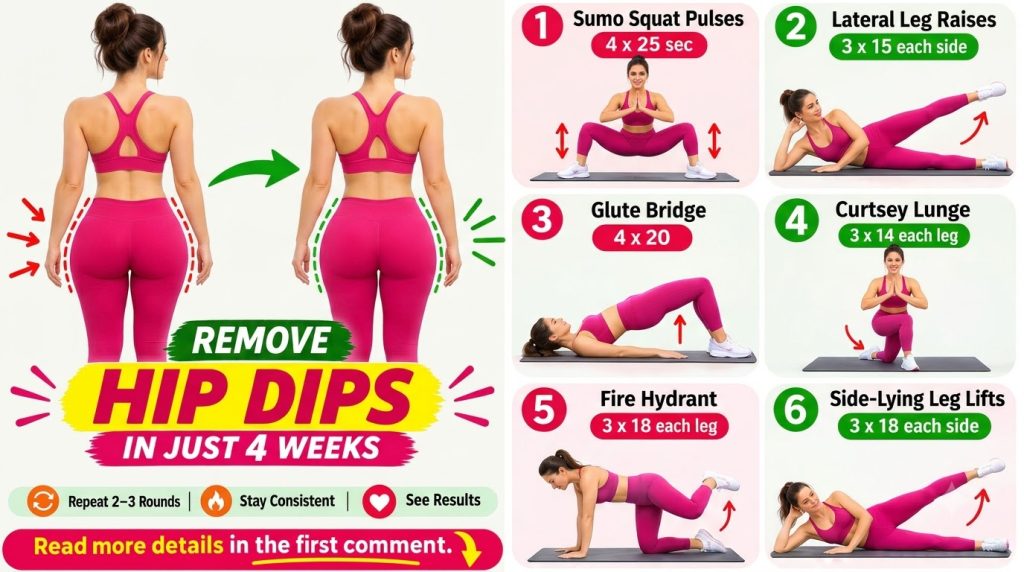
For a well-rounded routine, consider incorporating a variety of movements that work your glutes from different angles. This might include:
- Clamshells: Excellent for isolating the gluteus medius.
- Side Leg Lifts: Targets the abductors and outer thighs.
- Glute Bridges: Works the gluteus maximus and can be modified to emphasize the outer glutes.
- Band Walks: Engaging and effective for building lateral hip strength.
- Squats and Lunges (with variations): Fundamental for overall leg and glute development.
Aim to perform these exercises 2-3 times a week, allowing for rest days in between to help your muscles recover and grow. Gradually increase repetitions or add resistance (like resistance bands) as you get stronger.
Beyond Exercise: A Holistic Approach
While targeted exercises are essential, remember that your overall lifestyle plays a significant role in your fitness journey. A balanced diet rich in protein for muscle repair and growth, adequate hydration, and sufficient sleep are all crucial components of any successful fitness plan. Staying consistent with your routine and embracing patience will be your greatest allies.
Ready to Begin Your Journey?
Embarking on a new fitness journey can be incredibly rewarding. By understanding your body, focusing on proper form, and committing to a consistent exercise routine, you can work towards achieving a stronger, more defined, and smoother hip area. Remember, every body is unique and beautiful, and this journey is about personal empowerment and feeling good in your own skin. Always consult with a healthcare professional or certified fitness trainer before starting any new exercise program, especially if you have underlying health conditions.
Disclaimer: This article is for informational purposes only and does not constitute medical advice. Please consult with a healthcare professional or certified fitness expert for personalized guidance.