Mattress stains are an inevitable part of life, whether from spills, sweat, or general wear. Instead of living with unsightly spots, you can tackle them effectively with a simple, homemade solution designed to lift dirt and refresh your bed. This DIY mix is a practical way to give your mattress a much-needed makeover, helping it look and feel cleaner.
It’s worth trying this method because it uses common household ingredients, offering an affordable and accessible alternative to harsh chemical cleaners or professional services for minor to moderate stains.
What You’ll Need
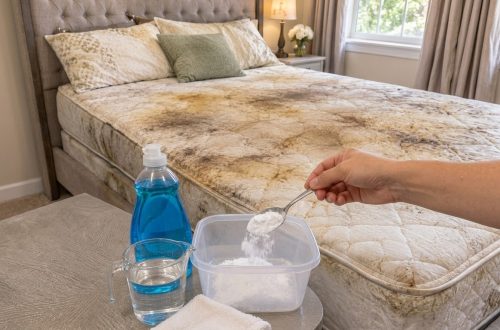
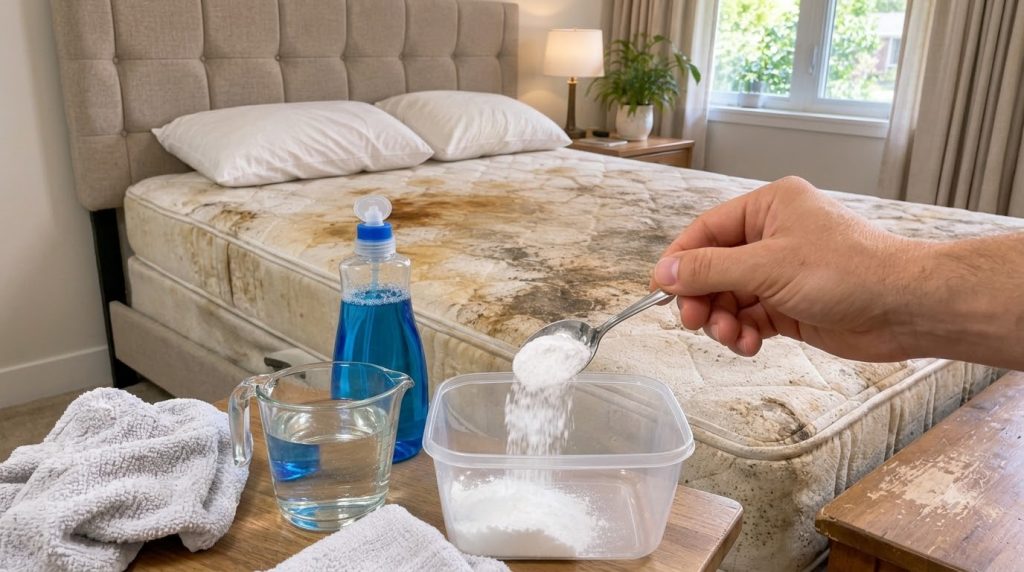
- 1 cup baking soda
- 1-2 tablespoons liquid dish soap (any clear or light-colored soap is best to avoid adding new stains)
- 1/4 cup warm water (or just enough to form a thick paste)
- Mixing bowl or container
- Spoon or mixing utensil
- Clean white cloths or old towels
- Vacuum cleaner with an upholstery attachment
Why This DIY Can Be Useful
This simple DIY combines ingredients known for their cleaning and deodorizing properties:
- Baking Soda: A natural deodorizer and mild abrasive, baking soda helps absorb moisture and lift out dirt and odors from fabrics.
- Liquid Dish Soap: Acts as a degreaser and surfactant, helping to break down oils and grime that contribute to many common mattress stains.
- Water: Helps dissolve the baking soda and soap, creating a workable paste that can penetrate the stain.
Together, these ingredients create a gentle yet effective cleaning agent for surface stains on your mattress.
How to Make It
- Combine Dry Ingredients: Pour the 1 cup of baking soda into your mixing bowl or container.
- Add Soap: Add 1-2 tablespoons of liquid dish soap to the baking soda.
- Mix Gradually: Start adding the warm water a little at a time, mixing continuously with your spoon. Your goal is to achieve a thick, spreadable paste. Avoid making it too watery, as excessive moisture can damage your mattress.
How to Use It
- Prepare the Area: Strip your bed of all bedding. If possible, move the mattress to a well-ventilated area or open windows in your bedroom.
- Identify Stains: Locate all the stained areas you want to treat.
- Apply the Paste: Using a clean spoon or your fingers, gently spread a generous layer of the paste directly onto each stain. Ensure the stain is fully covered.
- Let It Work: Allow the paste to sit on the stains for at least 30 minutes to an hour. For older or tougher stains, you can let it sit for a few hours.
- Gently Scrub: After the waiting time, use a clean, damp white cloth to gently scrub the treated areas in small circular motions. This helps to work the paste into the stain and lift it. Do not rub too aggressively, which can spread the stain.
- Blot Clean: Use a separate, clean, slightly damp cloth to blot the area, removing the paste and lifted dirt. Rinse and wring out your cloth frequently to avoid reapplying grime. Avoid saturating the mattress.
- Dry Thoroughly: Let the mattress air dry completely. This is crucial to prevent mold and mildew. Using a fan or opening windows can speed up the drying process.
- Vacuum: Once the mattress is completely dry, use a vacuum cleaner with an upholstery attachment to vacuum up any remaining baking soda residue.
What to Expect
After treatment, you can expect the treated stains to be significantly lightened or, in many cases, completely removed. Your mattress should also feel fresher and cleaner due to the deodorizing action of the baking soda. Remember that very old, deeply set, or particular types of stains (like blood or urine) may require multiple applications or specialized cleaning methods, but this DIY is a great first step for many common household marks.
Helpful Tips
- Patch Test: Always test the solution on an inconspicuous area of your mattress first to ensure it doesn’t cause discoloration or damage.
- Act Quickly: For best results, treat stains as soon as they occur. Fresh stains are much easier to remove than old ones.
- Avoid Over-Wetting: Mattresses are not designed to get very wet. Use only enough water to create a paste and to blot, and ensure thorough drying afterward to prevent moisture issues.
- Ventilation is Key: Ensure good airflow in the room during and after cleaning to aid drying and dissipate any odors.
Important Notes / Safety
- Always work in a well-ventilated area.
- Keep cleaning solutions out of reach of children and pets.
- While these ingredients are generally safe, avoid direct contact with eyes. Rinse thoroughly if contact occurs.
- Ensure the mattress is completely dry before putting sheets back on or sleeping on it. Dampness can lead to mold and mildew growth within the mattress.
- Do not mix this solution with other cleaning products, especially those containing bleach or ammonia, as this can create dangerous fumes.