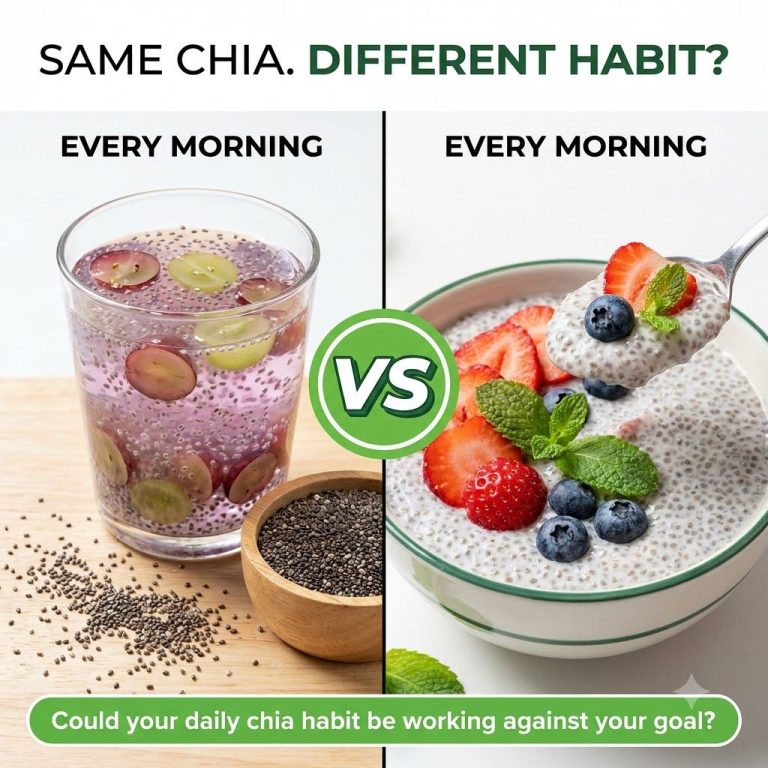
Do you enjoy chia seeds every morning? You’re not alone! These tiny powerhouses have become a staple in many healthy diets, celebrated for their impressive nutritional profile. While chia is incredibly healthy, how you prepare and consume them can significantly impact the benefits you receive and even introduce some unexpected challenges. Let’s dive deep into the subtle differences that might be affecting your health goals and ensure you’re getting the most from your daily chia habit!
The Nutritional Powerhouse of Chia Seeds
Chia seeds, derived from the Salvia hispanica plant, are often hailed as a superfood, and for good reason. They pack a remarkable amount of nutrients into a tiny package:
- Fiber: Just two tablespoons (about 1 ounce or 28 grams) of chia seeds provide nearly 10 grams of fiber, primarily insoluble fiber. This is crucial for digestive health, promoting regularity, and feeding beneficial gut bacteria.
- Omega-3 Fatty Acids: Chia seeds are one of the best plant-based sources of alpha-linolenic acid (ALA), an essential omega-3 fatty acid. ALA is vital for heart health, reducing inflammation, and supporting brain function.
- Protein: They contain a decent amount of plant-based protein (about 4 grams per ounce), making them an excellent addition for vegetarians and vegans looking to boost their protein intake.
- Minerals: Chia seeds are rich in several essential minerals, including calcium, magnesium, phosphorus, and manganese, all vital for bone health, energy production, and various bodily functions.
- Antioxidants: These tiny seeds are loaded with antioxidants that protect your body from free radicals, supporting cellular health and potentially reducing the risk of chronic diseases.
The Importance of Preparation: Hydration is Key
While the nutritional content of chia seeds is impressive, their unique ability to absorb liquid is what truly sets them apart and influences how your body processes them. When soaked, chia seeds can absorb up to 10-12 times their weight in water, forming a gel-like consistency.
Why Soaking Matters:
- Enhanced Digestibility: Soaking helps break down the outer layer of the seed, making the nutrients more accessible and easier for your body to digest. Unsoaked chia seeds, if not consumed with sufficient liquid, can absorb water from your digestive tract, potentially leading to discomfort.
- Improved Nutrient Absorption: The gel formed by soaking can act as a prebiotic, nourishing your gut microbiome and potentially enhancing the absorption of vitamins and minerals.
- Increased Satiety: The fiber and water content in soaked chia seeds expand in your stomach, helping you feel fuller for longer. This can be a significant advantage for weight management.
- Versatility: Soaked chia seeds (often as chia pudding) can be easily incorporated into various dishes, from smoothies and yogurt to oatmeal and desserts.
Potential Pitfalls of Improper Consumption
While chia seeds are overwhelmingly beneficial, there are a few considerations, especially if you consume them daily and don’t prepare them properly:
- Digestive Discomfort: Consuming large amounts of dry chia seeds without adequate hydration can lead to constipation, bloating, or gas. The seeds can absorb water from your intestines, potentially exacerbating these issues.
- Choking Hazard: In rare cases, dry chia seeds, if not combined with enough liquid, can swell rapidly and create a blockage, especially if swallowed by individuals with dysphagia (difficulty swallowing). Always ensure they are thoroughly hydrated or consumed with plenty of fluid.
- Calorie Density: While nutritious, chia seeds are calorie-dense. A small serving (2 tablespoons) contains around 138 calories. If you’re not mindful of portion sizes, daily consumption can contribute to a caloric surplus, potentially hindering weight management goals.
- Interaction with Medications: Due to their high fiber and omega-3 content, chia seeds may have a mild blood-thinning effect and could potentially interact with blood-thinning medications. They can also lower blood sugar, so individuals on diabetes medication should monitor their intake.
Maximizing Your Chia Benefits: Practical Tips
To truly get the most out of your daily chia habit, consider these practical tips:
- Always Soak Your Chia: The golden rule for chia seeds is to soak them. A common ratio is 1 part chia seeds to 4 parts liquid (water, almond milk, fruit juice). Let them sit for at least 15-30 minutes, or preferably overnight, until they form a thick gel.
- Start Slowly: If you’re new to chia seeds, introduce them gradually into your diet to allow your digestive system to adjust. Start with 1 tablespoon per day and slowly increase to 2 tablespoons if desired.
- Stay Hydrated: Even with soaked chia, ensure you’re drinking plenty of water throughout the day to support healthy digestion and prevent any potential discomfort from the increased fiber intake.
- Experiment with Recipes: Don’t limit yourself to just chia pudding. Add soaked chia to smoothies for extra thickness and nutrients, mix them into yogurt, sprinkle them on salads, or use them as an egg substitute in baking (1 tbsp chia + 3 tbsp water = 1 egg).
- Mind Your Portions: While beneficial, remember that moderation is key. Stick to the recommended daily serving of 1-2 tablespoons to reap the benefits without overdoing it on calories or fiber.
Conclusion
Chia seeds are a remarkable addition to a healthy diet, offering a wealth of fiber, omega-3s, and essential minerals. By understanding the importance of proper preparation, particularly soaking, and being mindful of potential pitfalls, you can ensure your daily chia habit is truly working to support your health goals. So, go ahead and enjoy your chia, but make sure you’re doing it the smart way!
Tell us: How do you usually enjoy your chia?