Craving a dessert that’s both wonderfully satisfying and refreshingly light? Look no further than this incredible Light Lemon Yogurt Cake! It’s an effortlessly easy-to-bake cake that delivers a burst of bright, tangy lemon flavor with every moist, tender bite. Perfect for a special occasion, a casual brunch, or simply as an everyday treat with your afternoon tea or coffee, this cake promises pure citrus bliss.

This recipe uses the magic of plain Greek yogurt to achieve an unbelievably moist crumb without relying on excessive butter or oil, making it a lighter alternative to many traditional cake recipes. The vibrant lemon zest and juice infuse the cake with an irresistible citrus aroma and flavor that’s both invigorating and comforting. You’ll be amazed at how quickly this comes together, yet tastes like something straight from a gourmet bakery.
Why You’ll Love This Light Lemon Yogurt Cake Recipe
- Effortlessly Easy: With simple steps and straightforward ingredients, this cake is perfect for bakers of all skill levels, even beginners!
- Incredibly Moist: Thanks to the Greek yogurt, every slice is wonderfully moist and tender, never dry.
- Bright & Zesty Flavor: Fresh lemon zest and juice provide an irresistible, natural citrus punch.
- Lighter Indulgence: It offers all the satisfaction of a delicious cake but feels lighter than many traditional dessert options.
- Versatile Treat: Ideal for breakfast, brunch, afternoon tea, or as a refreshing dessert after any meal.
- Simple Ingredients: You likely have most of the ingredients in your pantry right now!
Ingredients for Light Lemon Yogurt Cake
For the Cake:
- 1 ½ cups (180 g) all-purpose flour
- 1 cup (200 g) granulated sugar
- 2 teaspoons baking powder
- ½ teaspoon baking soda
- ¼ teaspoon salt
- 2 large eggs, at room temperature
- 1 cup (240 g) plain Greek yogurt (full-fat or low-fat)
- ½ cup (120 ml) vegetable oil (or light olive oil)
- 2 tablespoons lemon zest (from 2 large lemons)
- ¼ cup (60 ml) fresh lemon juice (from 2 large lemons)
- 1 teaspoon vanilla extract
For the Lemon Glaze:
- 1 cup (120 g) powdered sugar
- 2-3 tablespoons (30-45 ml) fresh lemon juice
Ingredient Notes
- Plain Greek Yogurt: This is the star ingredient for moisture and a lovely tang. Full-fat yogurt will yield a richer cake, but low-fat works well too for a truly lighter version. Avoid flavored yogurts unless you want to introduce additional flavors.
- Lemons: Always use fresh lemons for both the zest and juice. The zest contains essential oils that provide a much more intense and aromatic lemon flavor than juice alone.
- Vegetable Oil: A neutral oil like vegetable, canola, or grapeseed oil is best as it won’t impart strong flavors, allowing the lemon to shine. Olive oil can be used if you prefer, but choose a light variety.
- Room Temperature Eggs: Eggs at room temperature emulsify better with other ingredients, leading to a more evenly mixed batter and a finer crumb in your finished cake.
Equipment You’ll Need
- 9×5-inch (23×13 cm) loaf pan or 8-inch (20 cm) round cake pan
- Large mixing bowls
- Whisk
- Rubber spatula
- Measuring cups and spoons
- Citrus zester or microplane
- Citrus juicer
- Wire rack for cooling
How to Make Light Lemon Yogurt Cake
Follow these simple steps to bake your perfect light lemon yogurt cake:
-
Prepare Your Pan & Oven:
Preheat your oven to 350°F (175°C). Grease and flour your 9×5-inch loaf pan, or line it with parchment paper leaving an overhang on the sides for easy removal. This ensures your cake won’t stick.
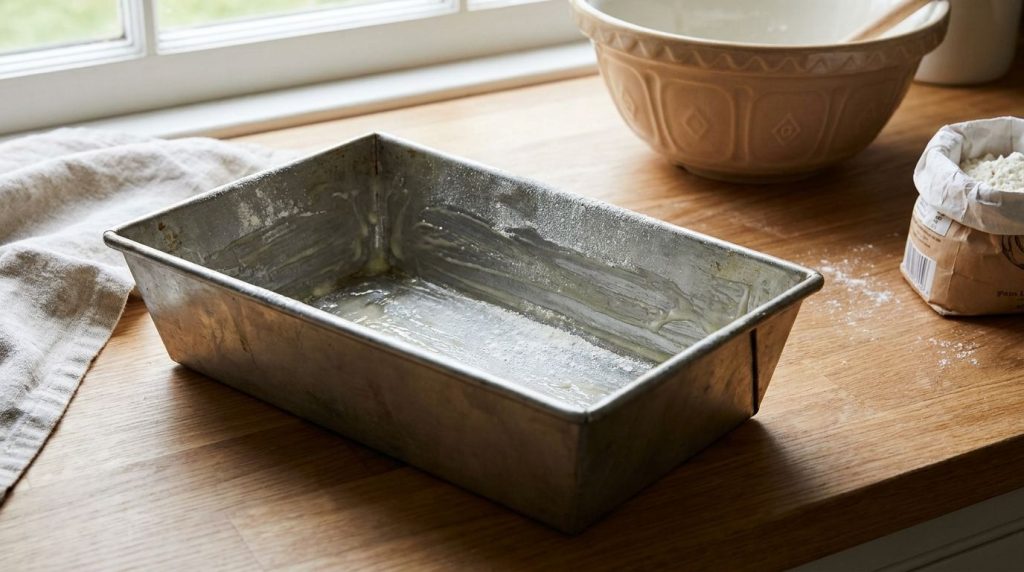
Properly preparing your pan is key to a clean release. -
Combine Dry Ingredients:
In a large mixing bowl, whisk together the all-purpose flour, granulated sugar, baking powder, baking soda, and salt. Make sure there are no lumps and everything is well combined.
-
Mix Wet Ingredients:
In a separate medium bowl, whisk together the room temperature eggs, plain Greek yogurt, vegetable oil, lemon zest, fresh lemon juice, and vanilla extract until smooth and fully incorporated. The mixture should be uniform in color and texture.

Whisking wet ingredients until perfectly smooth. -
Combine Wet and Dry Mixtures:
Pour the wet ingredients into the dry ingredients. Using a rubber spatula or whisk, mix until just combined. Be careful not to overmix; a few small lumps are perfectly fine and will result in a more tender cake. Overmixing can develop the gluten too much, leading to a tough cake.
-
Bake the Cake:
Pour the batter evenly into your prepared loaf pan. Bake for 45-55 minutes, or until a wooden skewer or toothpick inserted into the center comes out clean. The top should be golden brown and spring back when lightly touched.
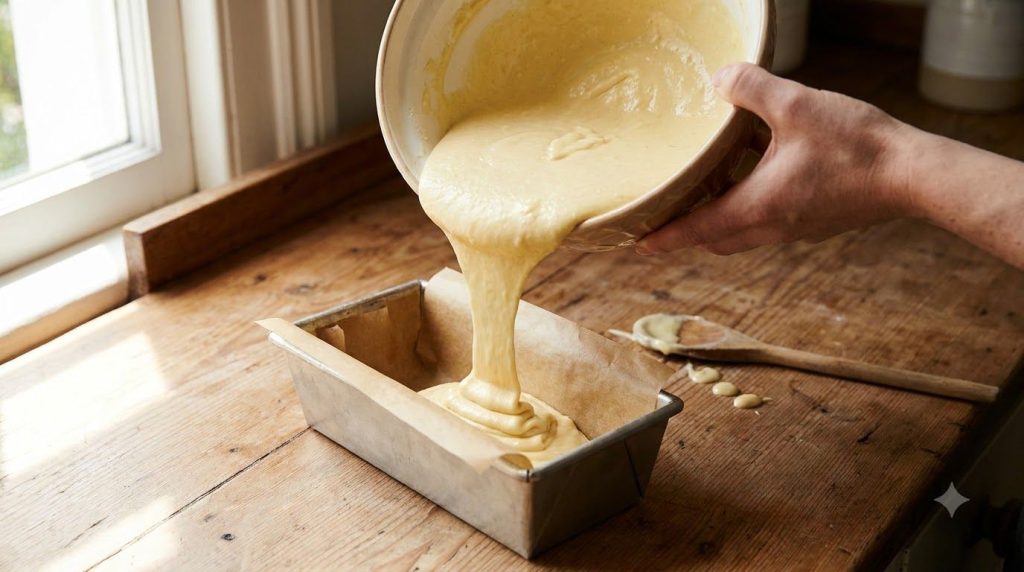
Ready for the oven to transform into a golden, delicious cake. -
Cool Completely:
Once baked, remove the cake from the oven and let it cool in the pan for about 10-15 minutes. Then, carefully invert it onto a wire rack to cool completely before glazing. This prevents the glaze from melting off.
-
Prepare & Apply Glaze:
While the cake cools, whisk together the powdered sugar and 2 tablespoons of lemon juice in a small bowl until smooth. If the glaze is too thick, add a tiny bit more lemon juice (¼ teaspoon at a time) until it reaches a pourable but not too runny consistency. Drizzle the glaze generously over the cooled cake, allowing it to drip down the sides for a beautiful finish.
Pro Tips for the Best Results
- Don’t Overmix: This is crucial for a tender cake. Mix until the dry ingredients are just incorporated into the wet. Overmixing develops gluten, which can make your cake tough.
- Fresh Lemons are Key: The flavor difference between fresh lemon zest and juice and bottled alternatives is immense. Always opt for fresh for the best citrus punch.
- Room Temperature Ingredients: Eggs and yogurt at room temperature mix more smoothly and evenly, creating a consistent batter and a better-textured cake.
- Test for Doneness: Use the toothpick test. If it comes out with moist crumbs, bake for a few more minutes. If it comes out clean, your cake is done.
- Cool Completely Before Glazing: Patience is a virtue here! Glazing a warm cake will cause the glaze to melt and soak in, rather than forming a lovely, opaque coating.
- For Extra Lemon Flavor: Once the cake is out of the oven, while still warm in the pan, poke holes across the top with a skewer and drizzle 1-2 tablespoons of fresh lemon juice over it before cooling. This creates an extra moist and tangy cake.
Common Mistakes to Avoid
- Overmixing the Batter: As mentioned, this is the biggest culprit for a dense, tough cake. Mix until just combined.
- Baking Too Long: Overbaking will dry out your cake, robbing it of its signature moistness. Keep an eye on the cooking time and use the toothpick test.
- Forgetting to Grease/Line the Pan: A sticky cake is a sad cake. Always prepare your pan properly to ensure easy removal.
- Using Cold Ingredients: This can lead to a lumpy batter and an uneven texture in the final cake.
- Not Zesting First: Always zest your lemons before you juice them; it’s much easier!
Variations & Substitutions
- Different Citrus: Experiment with orange or lime zest and juice for a delightful twist.
- Add-ins: Fold in ½ cup of poppy seeds, blueberries, raspberries, or finely chopped cranberries into the batter before baking for added texture and flavor.
- Yogurt Swap: While Greek yogurt is recommended for its thickness and tang, regular plain yogurt can be used. If it’s very thin, you might want to drain some of the liquid off first to prevent a watery batter.
- Toppings: Instead of a simple glaze, you could top the cooled cake with a dollop of whipped cream and fresh berries, or a light cream cheese frosting.
- Spice It Up: A pinch of cardamom or ginger can add a subtle warmth that complements the lemon beautifully.
Serving Suggestions
This Light Lemon Yogurt Cake is wonderfully versatile and delicious on its own. For an elevated experience, try serving it:
- With a cup of hot tea or coffee for a cozy afternoon treat.
- Alongside a scoop of vanilla bean ice cream or a dollop of sweetened whipped cream.
- Garnished with fresh berries like strawberries, blueberries, or raspberries.
- As part of a brunch spread, paired with fresh fruit salad and mimosas.
Storage & Reheating
- Countertop Storage: Store the glazed cake in an airtight container at room temperature for up to 3 days. The glaze will set, creating a protective layer.
- Refrigerator Storage: For longer storage, you can keep the cake in an airtight container in the refrigerator for up to 5-7 days. The cake may firm up slightly when chilled.
- Freezing: This cake freezes beautifully! Wrap individual slices or the whole cooled, unglazed cake tightly in plastic wrap, then aluminum foil. Freeze for up to 3 months. Thaw overnight in the refrigerator or at room temperature. If freezing unglazed, you can glaze it after thawing.
- Reheating: If desired, you can warm individual slices briefly in the microwave for 15-30 seconds, or in a toaster oven until just warm. Be careful not to overheat, which can dry it out.
FAQ About Light Lemon Yogurt Cake
Can I use regular yogurt instead of Greek yogurt?
Yes, you can, but Greek yogurt is thicker and provides more moisture and structure. If using regular plain yogurt, try to use a thicker variety or strain it slightly to remove excess liquid to prevent the cake from being too wet.
Why did my lemon yogurt cake turn out dry?
The most common reasons for a dry cake are overmixing the batter or overbaking. Ensure you mix only until just combined and check for doneness using the toothpick test.
Can I make this cake gluten-free?
Yes, you can substitute the all-purpose flour with a 1:1 gluten-free baking flour blend that contains xanthan gum. The texture might vary slightly, but it should still be delicious.
How do I know when the cake is done baking?
Insert a wooden skewer or toothpick into the center of the cake. If it comes out clean or with just a few moist crumbs attached, the cake is done. The top should also be golden brown and spring back when lightly touched.
Can I add poppy seeds to this recipe?
Absolutely! Lemon and poppy seeds are a classic combination. Add about 2-3 tablespoons of poppy seeds to the dry ingredients before mixing with the wet ingredients.
Is this cake suitable for meal prepping?
Yes, it’s excellent for meal prepping. You can bake it on the weekend and enjoy slices throughout the week for a quick breakfast or snack. It also freezes well.
Recipe Card: Light Lemon Yogurt Cake
Recipe Name: Light Lemon Yogurt Cake
Short Description: An incredibly moist and flavorful lemon cake made lighter with Greek yogurt, perfect for any occasion.
Prep Time: 15 minutes
Cook Time: 45-55 minutes
Total Time: 1 hour – 1 hour 10 minutes (plus cooling time)
Servings: 8-10 slices
Course: Dessert, Breakfast, Snack
Cuisine: American
Cooking Method: Baking
Ingredients:
For the Cake:
- 1 ½ cups (180 g) all-purpose flour
- 1 cup (200 g) granulated sugar
- 2 teaspoons baking powder
- ½ teaspoon baking soda
- ¼ teaspoon salt
- 2 large eggs, at room temperature
- 1 cup (240 g) plain Greek yogurt (full-fat or low-fat)
- ½ cup (120 ml) vegetable oil (or light olive oil)
- 2 tablespoons lemon zest (from 2 large lemons)
- ¼ cup (60 ml) fresh lemon juice (from 2 large lemons)
- 1 teaspoon vanilla extract
For the Lemon Glaze:
- 1 cup (120 g) powdered sugar
- 2-3 tablespoons (30-45 ml) fresh lemon juice
Instructions:
- Preheat oven to 350°F (175°C). Grease and flour a 9×5-inch loaf pan or line with parchment paper.
- In a large bowl, whisk together the flour, granulated sugar, baking powder, baking soda, and salt.
- In a separate medium bowl, whisk together the room temperature eggs, Greek yogurt, vegetable oil, lemon zest, lemon juice, and vanilla extract until smooth.
- Pour the wet ingredients into the dry ingredients. Mix with a rubber spatula or whisk until just combined. Be careful not to overmix; a few small lumps are okay.
- Pour the batter into the prepared loaf pan and spread evenly.
- Bake for 45-55 minutes, or until a wooden skewer or toothpick inserted into the center comes out clean.
- Let the cake cool in the pan for 10-15 minutes, then invert onto a wire rack to cool completely.
- Once the cake is completely cool, prepare the glaze: whisk together powdered sugar and 2-3 tablespoons of fresh lemon juice in a small bowl until smooth. Adjust lemon juice for desired consistency.
- Drizzle the lemon glaze over the cooled cake, letting it drip down the sides.
- Slice and serve!
Notes:
- Ensure eggs and yogurt are at room temperature for best results.
- Do not overmix the batter to keep the cake tender.
- For extra lemon flavor, poke holes in the warm cake and drizzle with 1-2 tbsp extra lemon juice before glazing.
Storage:
Store in an airtight container at room temperature for up to 3 days, or in the refrigerator for up to 5-7 days. Cake can be frozen (unglazed or glazed) for up to 3 months.
Nutrition:
Nutrition information is an estimate and may vary depending on the ingredients and brands used.