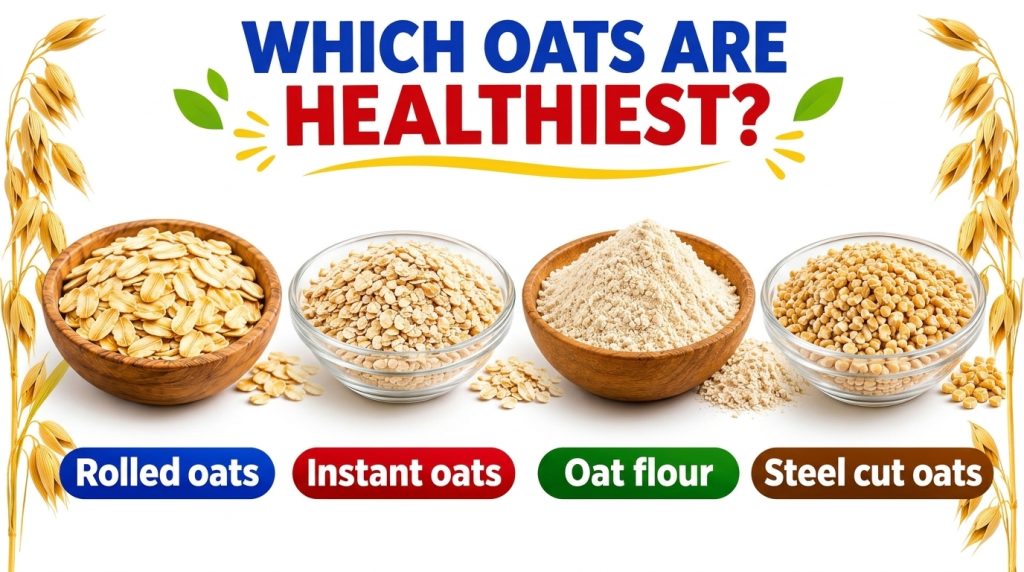
When you walk down the breakfast aisle, you’re greeted by a variety of oat options: steel-cut, rolled, instant, and even oat flour. While they all come from the same grain, their processing methods give them unique textures, cooking times, and slight differences in their nutritional profiles. So, how do you know which one is the best choice for your daily meals? Let’s get smart about our breakfast bowls and uncover the real differences!
Why Oats Are a Breakfast Powerhouse
Before diving into the specifics, let’s remember why oats are such a beloved healthy breakfast choice. They are a whole grain packed with soluble fiber, particularly beta-glucan, which is known to help lower cholesterol, stabilize blood sugar levels, and keep you feeling full and energized. Oats also provide essential vitamins and minerals, making them a fantastic way to start your day.
Understanding the Different Types of Oats
1. Steel-Cut Oats (Irish Oats)
These are the least processed type of oats. The oat groats (the whole grain kernel) are simply cut into two or three pieces with a steel blade. This minimal processing gives them a chewy texture and a nutty flavor. Steel-cut oats take the longest to cook, typically 20-30 minutes, but their high fiber content means they have a lower glycemic index, providing a slower, sustained release of energy.
- Best for: Those who enjoy a hearty, chewy texture and have more time to cook.
- Benefits: Highest in fiber, lowest glycemic index, excellent for sustained energy.
2. Rolled Oats (Old-Fashioned Oats)
Rolled oats are created by steaming oat groats and then rolling them flat into flakes. This process makes them cook faster and gives them a softer texture compared to steel-cut oats, while still retaining much of their nutritional value. They are incredibly versatile and are often used in oatmeal, overnight oats, granola, and baked goods.
- Best for: Versatile cooking, overnight oats, a balanced texture.
- Benefits: Good source of fiber, quicker cooking than steel-cut, widely available.
3. Quick Oats (Instant Oats)
Quick oats are the most processed of the three main types. They are pre-cooked, dried, and then rolled even thinner and cut into smaller pieces than rolled oats. This allows them to cook very quickly, often in just one minute. While convenient, the extra processing can slightly alter their texture and they tend to have a higher glycemic index than steel-cut or rolled oats.
- Best for: Busy mornings, convenience, quick preparation.
- Benefits: Fastest cooking time, still a good source of fiber, very convenient.
4. Oat Flour
Oat flour is simply rolled oats ground into a fine powder. It’s a fantastic gluten-free alternative (if certified) for baking and can be easily made at home by blending rolled oats. While it offers the same nutritional benefits as whole oats, it’s typically used as an ingredient rather than a standalone breakfast.
- Best for: Gluten-free baking, adding fiber to recipes.
- Benefits: Versatile, great for adding whole-grain goodness to various dishes.
So, Which Oat is the “Healthiest”?
The truth is, all types of oats (steel-cut, rolled, and quick) are whole grains and offer fantastic health benefits. The term “healthiest” often depends on your personal needs, preferences, and how you prepare them.
- For the most minimal processing and sustained energy: Steel-cut oats are generally considered top-tier.
- For versatility and a good balance of nutrition and convenience: Rolled oats are an excellent choice.
- For quick, busy mornings without compromising on whole grains: Quick oats are still a nutritious option.
The key is to choose plain, unflavored oats and customize them with natural, healthy additions like fresh fruits, nuts, seeds, cinnamon, or a drizzle of honey. Avoid heavily sweetened or flavored instant oat packets, which can contain added sugars and artificial ingredients.
Incorporating Oats into Your Healthy Lifestyle
Don’t limit oats to just a bowl for breakfast! Here are some ideas:
- Overnight Oats: Combine rolled oats with milk (dairy or plant-based), chia seeds, and your favorite toppings for a no-cook breakfast.
- Smoothie Boost: Add a tablespoon or two of rolled or quick oats to your morning smoothie for extra fiber and thickness.
- Healthy Baking: Use oat flour or ground rolled oats in muffins, cookies, or pancakes.
- Savory Bowls: Experiment with savory oatmeal topped with eggs, vegetables, or spices.
Ready to Elevate Your Breakfast?
Understanding the differences between oat types empowers you to make informed choices that fit your lifestyle and nutritional goals. Whether you prefer the hearty chew of steel-cut or the convenience of quick oats, you’re choosing a wholesome, fiber-rich food that supports your overall wellness.
Which type of oats is your go-to, and what’s your favorite way to enjoy them? Share your breakfast ideas in the comments below!