DIY Lemon & Baking Soda Paste: Natural Cleaning Power
Tired of scrubbing tough grime and stained grout lines with harsh chemical cleaners? Many common household surfaces, from kitchen countertops to bathroom tiles, can accumulate dirt and discoloration that seems impossible to lift. But what if you could tackle everyday messes and leave your home sparkling clean using simple, natural ingredients you likely already have in your pantry?
This DIY cleaning paste, featuring the dynamic duo of lemon and baking soda, offers an effective, non-toxic solution. It’s surprisingly powerful for cutting through grease and brightening surfaces, making it a worthwhile alternative to conventional cleaners.
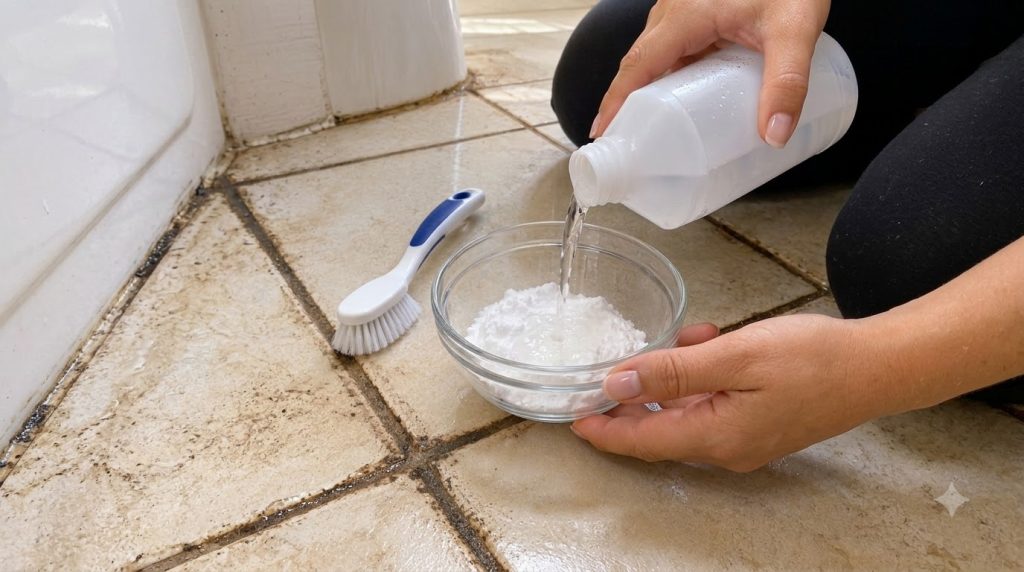
What You’ll Need
- 1 cup baking soda
- 1/4 cup fresh lemon juice (or enough to form a thick paste)
- Small mixing bowl
- Spoon or spatula for mixing
- Cleaning brush or sponge
- Gloves (optional, for sensitive skin)
Why This DIY Can Be Useful
This simple paste harnesses the natural cleaning properties of two common household items:
- Baking Soda: A gentle abrasive that helps scour away dirt and grime without scratching most surfaces. It also acts as a natural deodorizer, absorbing unpleasant smells.
- Lemon Juice: The citric acid in lemon juice is a mild natural bleaching agent and disinfectant. It’s effective at cutting through grease, dissolving mineral deposits, and leaving a fresh, clean scent. When combined with baking soda, it creates a fizzing action that helps lift stubborn stains and dirt.
How to Make It
Making your cleaning paste is quick and easy:
- Pour 1 cup of baking soda into your small mixing bowl.
- Gradually add the lemon juice, starting with about 1/4 cup. Stir continuously with a spoon or spatula.
- Continue adding small amounts of lemon juice, if needed, until you achieve a thick, spreadable paste consistency. It should resemble a slightly gritty frosting.
How to Use It
This paste is versatile for various cleaning tasks around your home:
- For Grout Lines: Apply the paste directly onto dirty grout lines using a spoon or your finger (wearing gloves if preferred). Let it sit for 5-10 minutes to allow the ingredients to work. Then, scrub vigorously with a cleaning brush. Rinse the area thoroughly with water and wipe dry.
- For Sinks and Countertops: Spread a thin layer of the paste over the stained or dirty areas. Let it sit for a few minutes. Use a damp sponge or cloth to gently scrub the surface in circular motions. Rinse well with water and wipe clean.
- For Tougher Stains: For very stubborn spots, apply a thicker layer of paste and let it sit for up to 30 minutes before scrubbing and rinsing.
What to Expect
You can expect a noticeable improvement in the cleanliness and brightness of your surfaces. Grout lines will appear lighter, and sinks and countertops will be free of grime and odors. While it’s a powerful natural cleaner, it might not completely remove extremely deep-set stains or return heavily discolored areas to their original pristine condition in one go. Regular use can help maintain cleanliness and prevent future buildup.
Helpful Tips
- Adjust Consistency: If your paste is too thin, add a little more baking soda. If it’s too thick, add a few more drops of lemon juice.
- Fresh vs. Bottled Lemon Juice: Freshly squeezed lemon juice often has the strongest cleaning power and a more pleasant scent, but bottled lemon juice can also work effectively.
- Work in Small Sections: When cleaning larger areas, work on one section at a time to prevent the paste from drying out before you can scrub and rinse.
Important Notes / Safety
- Patch Test: Always test the paste on an inconspicuous area first, especially on delicate or colored surfaces, to ensure no discoloration or damage occurs.
- Avoid Certain Surfaces: Due to its acidic nature, lemon juice can potentially etch or dull natural stone surfaces like marble and granite. Avoid using this paste on such materials.
- Rinse Thoroughly: Always rinse the cleaned surface completely with water to remove all traces of the paste. Residual baking soda can leave a white residue.
- Ventilation: While natural, it’s always good practice to ensure adequate ventilation when cleaning.
- Storage: This paste is best made fresh for each use as the reaction between baking soda and lemon juice is most potent when immediate. Storing it can cause it to lose its fizzing action.