Are you ready to add a burst of vibrant flavor and satisfying crunch to your meals? Dive into the wonderful world of homemade pickles! This guide isn’t just about one recipe; it’s an invitation to explore a dozen different ways to transform fresh produce into zesty, tangy delights. From classic cucumbers to unexpected fruits, making your own pickles is a rewarding journey into flavor and food preservation.
Whether you’re a seasoned pickler or just starting, this collection of 12 homemade pickle recipes will inspire you. We’ll cover everything from the essential tools and techniques to a wide array of international influences, ensuring every bite is a celebration of flavor. Get ready to impress your taste buds and your guests with these easy-to-make, incredibly versatile homemade treats.
Why You’ll Love This Homemade Pickle Guide
There are countless reasons to embrace the art of pickling. This guide will specifically help you:
- Discover Incredible Variety: Explore 12 distinct pickle recipes, moving beyond just dill to encompass sweet, spicy, and savory international flavors.
- Preserve Seasonal Goodness: Learn a fantastic way to extend the life of fresh fruits and vegetables, enjoying their peak flavors year-round.
- Customize to Your Taste: Understand the basic principles of pickling, allowing you to easily adjust spices, sweetness, and heat to perfectly suit your palate.
- Add Zesty Kicks to Any Meal: Homemade pickles are versatile condiments, perfect for sandwiches, salads, charcuterie boards, or as a standalone snack.
- Enjoy a Rewarding DIY Project: Making pickles from scratch is a satisfying and surprisingly simple culinary adventure.
Essential Ingredients for Homemade Pickles
While specific ingredients will vary for each of the 12 pickle recipes, a few core components form the foundation of most homemade pickles:
- Fresh Produce:
- Cucumbers (pickling variety recommended)
- Jalapeños, other chili peppers
- Cabbage (for kimchi)
- Green beans, carrots, onions, cauliflower
- Mangoes, other firm fruits
- Vinegar:
- Distilled white vinegar (most common for a clean taste)
- Apple cider vinegar (adds a fruitier note)
- Rice vinegar (lighter, often used in Asian-inspired pickles)
- Wine vinegars (for specific flavor profiles)
- Salt:
- Pickling salt (fine-grained, no anti-caking agents or iodine which can cloud brine)
- Kosher salt (ensure it’s iodine-free)
- Water:
- Filtered water is ideal to avoid impurities that can affect flavor or clarity.
- Sugar (Optional):
- Granulated sugar (to balance acidity, especially in sweet or bread-and-butter style pickles)
- Spices & Aromatics:
- Dill (fresh sprigs, seeds)
- Mustard seeds (yellow, brown)
- Peppercorns (black, white, mixed)
- Garlic cloves
- Bay leaves
- Coriander seeds
- Fennel seeds
- Red pepper flakes
- Fresh herbs (thyme, oregano)
Ingredient Notes
- Choosing Produce: Always select the freshest, firmest, blemish-free produce available. For cucumbers, pickling varieties are best as they have thinner skins and fewer seeds.
- Vinegar’s Role: Vinegar provides the essential acidity for preservation and flavor. Aim for at least 5% acidity in your vinegar for safe pickling.
- The Right Salt: Using pickling or iodine-free kosher salt is crucial. Table salt contains additives that can turn your brine cloudy and affect the texture of your pickles.
- Spice It Up: Don’t be shy with spices! They are key to defining the unique character of each pickle recipe. Whole spices are generally preferred as they infuse flavor without clouding the brine.
Equipment You’ll Need
Having the right tools makes the pickling process much smoother and ensures food safety:
- Glass Canning Jars: Pint or quart-sized jars with new lids and rings. Ensure they are clean and sterilized.
- Large Pot: For preparing the brine and, if water bath canning, for processing the jars.
- Measuring Cups and Spoons: For accurate brine ratios.
- Cutting Board and Sharp Knife: For preparing your produce.
- Canning Funnel: Helps to neatly pour brine into jars without spills.
- Ladle: For transferring hot brine.
- Tongs: Especially useful for handling hot jars and lids.
- Jar Lifter (Optional but Recommended): For safely removing hot jars from a water bath canner.
- Water Bath Canner (Optional): If you plan to make shelf-stable pickles. For refrigerator pickles, a canner isn’t necessary.
How to Make Homemade Pickles (General Method)
While each of the 12 pickle recipes will have specific nuances, the general process for making delicious homemade pickles remains consistent:
- Prepare Your Jars: Wash jars, lids, and rings thoroughly in hot, soapy water. Sterilize jars by boiling them for 10 minutes, or running them through a canning cycle in your dishwasher. Keep them hot until ready to fill.
- Prepare Your Produce: Wash and trim your chosen vegetables or fruits. Slice, spear, or chop them according to your recipe’s instructions. You may need to blanch some harder vegetables briefly.
- Pack the Jars: Tightly (but not overly compressed) pack the prepared produce into the hot, sterilized jars. Add your chosen spices and aromatics (garlic, dill, peppercorns) directly into the jars.
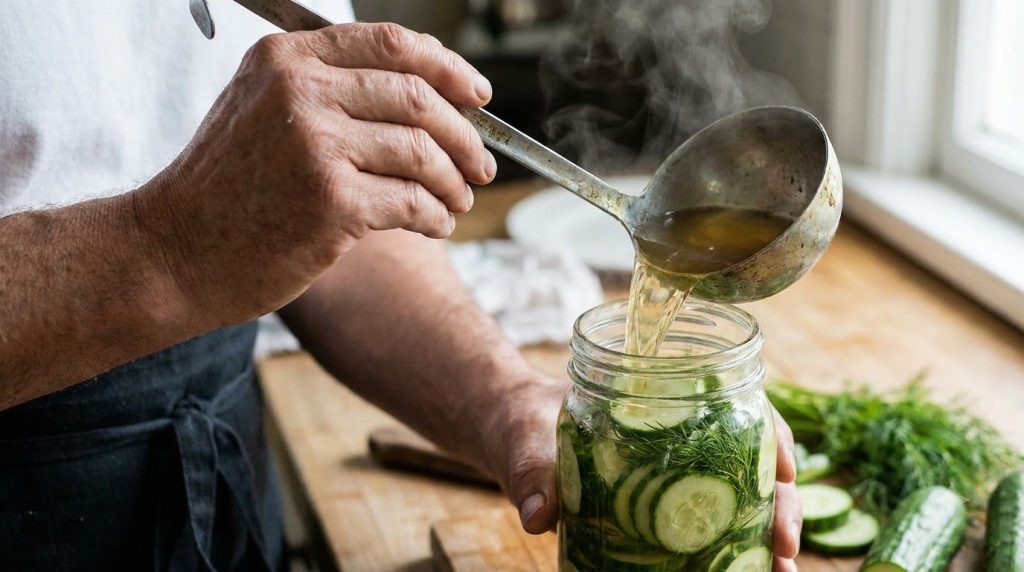
- Prepare the Brine: In a large saucepan, combine water, vinegar, salt, and any sugar (if using). Bring the mixture to a rolling boil, stirring until the salt and sugar are fully dissolved.
- Pour the Brine: Carefully pour the hot brine over the packed produce in each jar, leaving about 1/2 inch (1.25 cm) of headspace from the rim. Use a non-metallic utensil (like a chopstick) to release any trapped air bubbles.
- Seal the Jars: Wipe the rims of the jars clean with a damp cloth. Center a new, hot lid on each jar, then screw on the band until fingertip-tight (just until you feel resistance).
- Cool and Cure: Allow the jars to cool completely on your countertop. For refrigerator pickles, once cool, transfer them to the refrigerator. For shelf-stable pickles, process them in a boiling water bath canner according to recipe-specific timing. Allow pickles to cure in the refrigerator (or pantry, if canned) for at least 2-3 days, or up to a week, for flavors to fully develop.
Pro Tips for the Best Homemade Pickles
- Choose Peak Freshness: Always start with crisp, high-quality produce. Limp or old vegetables will result in soft pickles.
- Sterilization is Key: Ensure all jars, lids, and equipment are meticulously clean and properly sterilized to prevent spoilage.
- Brine Ratio Matters: Stick to tested brine ratios (vinegar to water to salt) to ensure both safety and delicious flavor. Don’t eyeball critical ingredients like salt.
- Don’t Rush the Cure: While quick pickles are delicious, giving your pickles a few days or even a week in the brine allows the flavors to deepen and meld beautifully.
- Experiment with Spices: Once you have the basic brine down, play with different spice combinations to create unique flavor profiles for your pickles.
- Use Pickling Cucumbers: If pickling cucumbers, choose varieties specifically grown for pickling, as they tend to be crunchier and have thinner skins.
- Headspace is Important: Leaving the correct amount of headspace (usually 1/2 inch or 1.25 cm) prevents jars from bursting during processing (if canning) and ensures a proper seal.
Common Mistakes to Avoid
- Using Non-Pickling Salt: Regular table salt contains anti-caking agents and iodine that can make your brine cloudy and potentially affect the pickle’s texture.
- Improper Sterilization: Insufficiently cleaned jars can lead to spoilage. Always sterilize your jars thoroughly.
- Old or Wilted Produce: This leads to soft, mushy pickles. Start with fresh, firm ingredients for optimal crunch.
- Ignoring Air Bubbles: Trapped air can prevent proper sealing and preservation. Release bubbles after pouring brine.
- Incorrect Headspace: Too little headspace can cause jars to overflow; too much can lead to an improper seal.
- Rushing the Process: While some pickles are quick, most benefit from proper curing time to develop their full flavor.
Variations & Global Pickle Inspiration
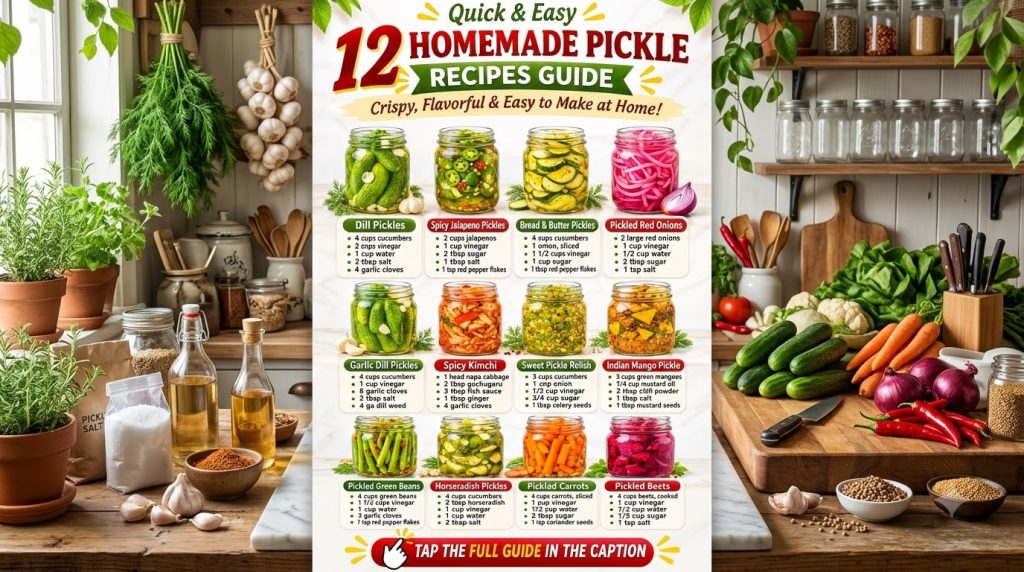
This guide celebrates the diversity of pickles. Here are some of the 12 vibrant types you can explore:
- Classic Dill Pickles: The quintessential cucumber pickle, featuring dill, garlic, and mustard seeds. Perfect for sandwiches and burgers.
- Spicy Jalapeño Pickles: Sliced jalapeños in a tangy brine, bringing a fiery kick to tacos, nachos, or eggs.
- Bread & Butter Pickles: Sweet and tangy cucumber slices with onions, often spiced with celery seed and turmeric.
- Kimchi (Korean Fermented Cabbage): A spicy, fermented side dish made primarily from napa cabbage and a variety of seasonings like gochugaru, garlic, and ginger.
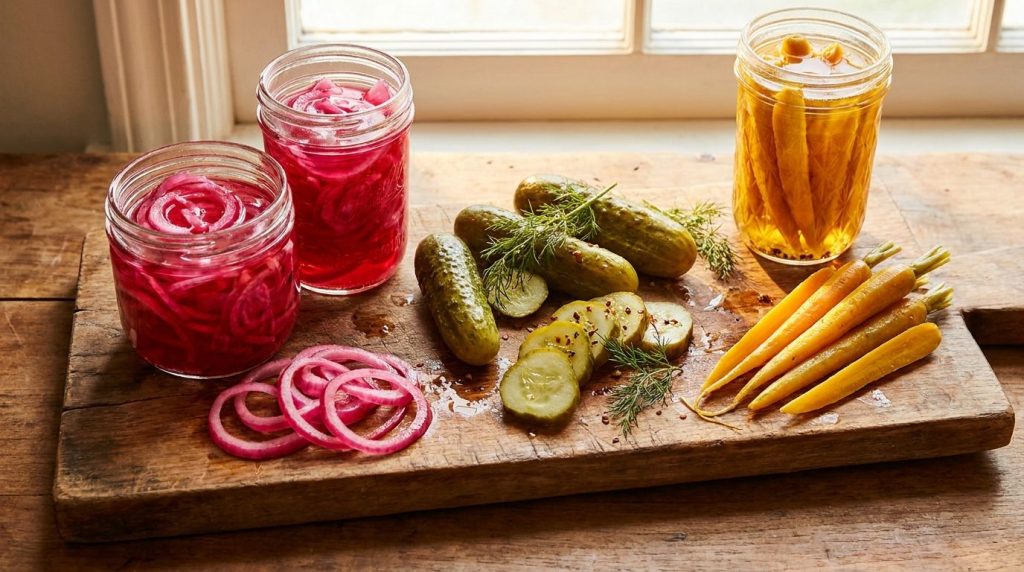
- Pickled Red Onions: Quick and easy, these add a beautiful color and sharp tang to salads, grilled meats, and avocado toast.
- Pickled Green Beans (Dilly Beans): Crisp green beans pickled with dill and garlic, a fantastic snack or cocktail garnish.
- Pickled Carrots & Daikon Radish (Vietnamese Do Chua): A vibrant, slightly sweet, and tangy mix often found in banh mi sandwiches.
- Pickled Mango: A delightful sweet and sour tropical pickle, often found in Asian and Indian cuisines, great with curries or rice dishes.
- Garlic Dill Zucchini Pickles: A creative way to use abundant zucchini, offering a milder, refreshing flavor than cucumber pickles.
- Pickled Cauliflower Florets: A crunchy, versatile pickle seasoned with turmeric and other spices, excellent on relish trays.
- Pickled Beets: Earthy and sweet, pickled beets are a colorful addition to salads and can be enjoyed on their own.
- Spicy Pickled Asparagus: A gourmet treat, these spears are delicious as an appetizer or alongside roasted meats.
Serving Suggestions
Homemade pickles are incredibly versatile! Here are just a few ways to enjoy your zesty creations:
- On Sandwiches & Burgers: A classic pairing that adds crunch and tang.
- With Charcuterie & Cheese Boards: Pickles cut through richness and cleanse the palate.
- In Salads: Chop them up for extra texture and a bright flavor boost.
- As a Side Dish: Serve alongside grilled meats, roasted vegetables, or rich stews.
- Snack Them Straight: A refreshing, low-calorie snack, especially the dill and spicy varieties.
- Garnishes: Elevate cocktails (like a Bloody Mary) or use as a topping for deviled eggs.
Storage & Reheating
- Refrigerator Storage: Most homemade refrigerator pickles will last for 2-3 months in the refrigerator when stored in properly sealed, clean jars. Always ensure the produce remains submerged in brine for best quality.
- Freezer Suitability: Pickles generally do not freeze well. Freezing can alter their texture, making them soft and mushy due to the high water content.
- Best Storage Container: Always store pickles in airtight glass jars.
- Reheating: Pickles are typically enjoyed cold or at room temperature. Reheating is not recommended as it will destroy their crisp texture.
- Maintaining Best Texture: Ensure your produce is fresh and crisp when starting, use appropriate pickling salt, and keep pickles refrigerated after opening or if they are refrigerator-only type.
FAQ About Homemade Pickles
- Can I use any type of cucumber for pickling?
- While you can pickle most cucumbers, pickling varieties (like Kirby or Boston) are best. They have thinner skins, fewer seeds, and a firmer flesh that holds up well in brine, resulting in crispier pickles.
- Do I need special salt for pickling?
- Yes, it’s highly recommended to use pickling salt or iodine-free kosher salt. Regular table salt often contains anti-caking agents and iodine that can cloud your brine and may affect the texture and flavor of your pickles.
- How long do homemade refrigerator pickles last?
- When stored properly in the refrigerator, homemade refrigerator pickles typically last for 2-3 months. Always ensure the vegetables remain submerged in the brine for optimal preservation and quality.
- Why did my pickles turn out soft or mushy?
- Several factors can lead to soft pickles: using old or bruised produce, improper brine ratios (especially not enough salt or vinegar), over-processing if canning, or using non-pickling salt. Always start with fresh ingredients and follow recipes carefully.
- Can I reuse pickle brine?
- It’s generally not recommended to reuse pickle brine for safety and quality reasons, especially if you’re making shelf-stable canned pickles. For quick refrigerator pickles, you might get away with it once if the brine is still very fresh and hasn’t been contaminated, but the flavor and acidity will be diminished.
- What is headspace in pickling?
- Headspace is the empty space between the surface of the food and the inside of the jar lid. For most pickles, 1/2 inch (1.25 cm) of headspace is recommended. It allows for expansion during processing (if canning) and helps create a strong vacuum seal.
Basic Refrigerator Pickle Guide Card
This generalized recipe card provides a foundation for making simple refrigerator pickles, which can be adapted for many of the 12 types discussed.
Recipe Name: Basic Refrigerator Pickles
Short Description: An easy-to-follow guide for making crisp, tangy refrigerator pickles from your favorite vegetables, ready in days!
Prep Time: 15 minutes
Cook Time: 5 minutes
Total Time: 20 minutes (plus 2-3 days curing)
Servings: Varies (typically 1-2 pint jars)
Course: Appetizer, Side Dish, Condiment
Cuisine: American, General
Cooking Method: Pickling, No-Cook Brine
Ingredients:
- 1 lb (approx. 450g) fresh pickling cucumbers or other firm vegetables (e.g., green beans, carrots, zucchini), sliced or speared
- 2 cups (470 ml) distilled white vinegar (5% acidity)
- 2 cups (470 ml) filtered water
- 2 tbsp (30g) pickling salt (iodine-free)
- 1-2 tbsp (15-30g) granulated sugar (optional, for a sweeter brine)
- 2-4 cloves garlic, peeled and smashed
- 1 tsp (5g) mustard seeds
- 1 tsp (5g) dill seeds or 2 fresh dill sprigs
- 1/2 tsp (2.5g) black peppercorns
- Optional: Red pepper flakes for heat
Instructions:
- Wash and sterilize 2 pint (500ml) canning jars and lids. Keep them hot until ready to fill.
- Prepare your vegetables: Wash and trim the ends of your cucumbers (or other vegetables). Slice them into rounds, spears, or leave them whole, as desired.
- Pack the jars: Divide the garlic, mustard seeds, dill (seeds or sprigs), peppercorns, and red pepper flakes (if using) evenly between the hot jars. Tightly pack the prepared vegetables into the jars, leaving about 1/2 inch (1.25 cm) of headspace from the rim.
- Prepare the brine: In a medium saucepan, combine the vinegar, water, pickling salt, and sugar (if using). Bring the mixture to a rolling boil over medium-high heat, stirring until the salt and sugar are completely dissolved.
- Pour the brine: Carefully pour the hot brine over the vegetables in each jar, ensuring they are fully submerged and maintaining the 1/2 inch headspace. Use a non-metallic utensil to release any trapped air bubbles.
- Seal and cool: Wipe the rims of the jars clean. Center a new lid on each jar and screw on the band until fingertip-tight. Allow the jars to cool completely at room temperature.
- Refrigerate and cure: Once cool, transfer the jars to the refrigerator. Allow the pickles to cure for at least 2-3 days before enjoying for best flavor development. They will continue to develop flavor over time.
Notes:
For best results, use fresh, firm produce. The quantity of vegetables needed may vary slightly based on how tightly they are packed into the jars. Adjust sugar and spices to your personal preference.
Storage:
Store unopened and opened refrigerator pickles in the refrigerator. They are best consumed within 2-3 months. Ensure vegetables remain submerged in brine to maintain quality.
Nutrition:
Nutrition information is an estimate and may vary depending on the ingredients and brands used.

