Craving a slice of moist, spiced carrot cake but don’t want to turn on the oven? Or perhaps you’re looking for a healthier dessert option that’s free from refined sugar and flour? Look no further! This incredible Oven-Free Carrot Cake is blended, cooked entirely on your stovetop, and delivers all the classic carrot cake flavors you love with a guilt-free twist.
This recipe transforms simple, wholesome ingredients into a tender, flavorful cake that’s surprisingly easy to make. It’s perfect for a quick sweet fix, a healthy breakfast treat, or a delightful finish to any meal. You’ll be amazed at how such a delicious cake can come together with so little fuss!
Why You’ll Love This Oven-Free Carrot Cake
- No Oven Required: Perfect for hot days, small kitchens, or when your oven is busy. All the magic happens on your stovetop!
- Naturally Sweetened: Made without refined sugar, this cake gets its sweetness from dates and the natural sugars in carrots.
- Gluten-Free Friendly: By using rolled oats as a base instead of wheat flour, this recipe is naturally gluten-free (ensure certified gluten-free oats if necessary).
- Quick & Easy: With simple blending and stovetop cooking, this cake comes together much faster than traditional baked versions.
- Healthy Indulgence: Packed with fiber from oats and carrots, it’s a dessert you can feel good about enjoying.
- Delicious Flavor & Texture: You won’t believe how moist and flavorful this cake is, boasting all the warm spices of a classic carrot cake.
Ingredients
Here’s what you’ll need to create this amazing stovetop treat:
For the Carrot Cake:
- 1 ½ cups (135 g) rolled oats (old-fashioned, not instant)
- 1 cup (120 g) finely chopped or grated carrots (about 2 medium carrots)
- ½ cup (80 g) pitted Medjool dates, packed
- 2 large eggs
- ½ cup (120 ml) milk (dairy or non-dairy, e.g., almond milk)
- 2 tbsp (30 ml) unsweetened applesauce or plain Greek yogurt
- 1 tsp baking powder
- 1 tsp ground cinnamon
- ½ tsp ground ginger
- ¼ tsp ground nutmeg
- ¼ tsp salt
- 1 tsp vanilla extract
For the Cream Cheese Style Topping (Optional):
- 4 oz (113 g) light cream cheese, softened
- ¼ cup (60 g) plain Greek yogurt
- 1-2 tbsp (15-30 ml) maple syrup or honey (adjust to taste)
- ½ tsp vanilla extract
- Optional: Chopped walnuts or pecans for garnish
Ingredient Notes
- Rolled Oats: These are crucial for the cake’s structure and ‘flour-like’ texture. Do not use instant oats as they absorb liquid differently.
- Medjool Dates: These provide natural sweetness and moisture. If your dates are very firm, soak them in warm water for 10 minutes, then drain before using.
- Carrots: Finely chopped or grated carrots blend best, ensuring a smooth batter.
- Milk: Any milk will work here. Almond, soy, or dairy milk are all great options.
- Applesauce/Greek Yogurt: Adds moisture and helps keep the cake tender without adding fat. Choose unsweetened versions.
- Spices: Feel free to adjust the amounts of cinnamon, ginger, and nutmeg to your preference. A pinch of cloves or allspice can also be a nice addition.
Equipment You’ll Need
- Blender or food processor
- 9-inch (23 cm) non-stick skillet with a lid or a springform pan
- Parchment paper (if not using a springform pan)
- Mixing bowls
- Spatula
How to Make Oven-Free Carrot Cake
Get ready for a surprisingly simple and delicious stovetop baking experience!
Step 1: Prepare the Oat Flour
In your blender or food processor, add the rolled oats. Blend on high until the oats are ground into a fine flour-like consistency. This usually takes about 30-60 seconds. Set aside.
Step 2: Blend the Wet Ingredients
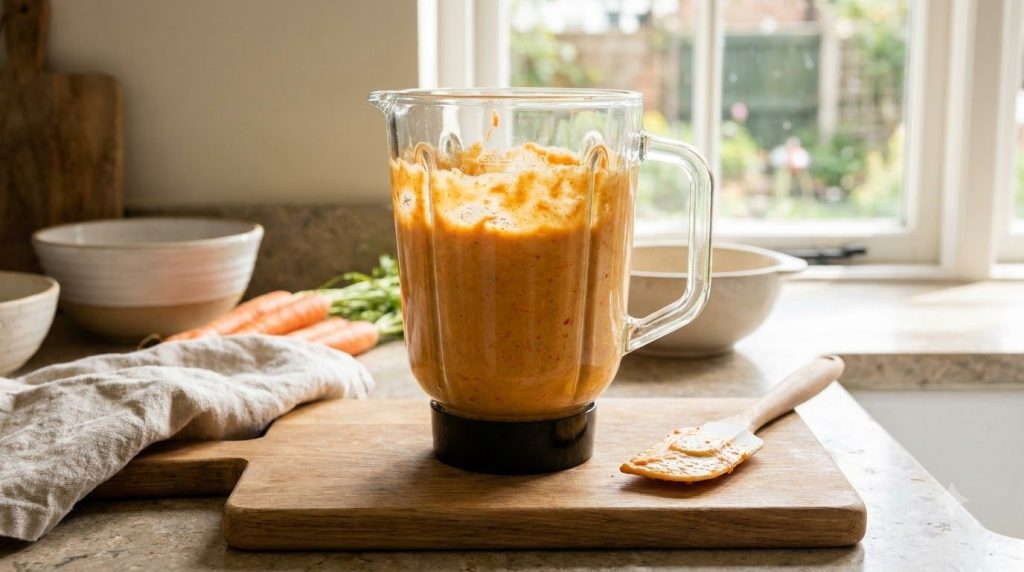
Add the chopped carrots, pitted dates, eggs, milk, unsweetened applesauce (or Greek yogurt), baking powder, ground cinnamon, ground ginger, ground nutmeg, salt, and vanilla extract to the blender with the oat flour. Blend on high until the mixture is smooth and well combined. Scrape down the sides of the blender as needed to ensure everything is incorporated. The batter should be thick but pourable.
Step 3: Prepare the Pan
Grease a 9-inch (23 cm) non-stick skillet with a lid or a springform pan with a light layer of oil or cooking spray. If using a regular skillet, line the bottom with a circle of parchment paper for easier removal. This prevents sticking and helps lift the cake out. Pour the blended carrot cake batter evenly into the prepared pan.
Step 4: Cook on the Stovetop
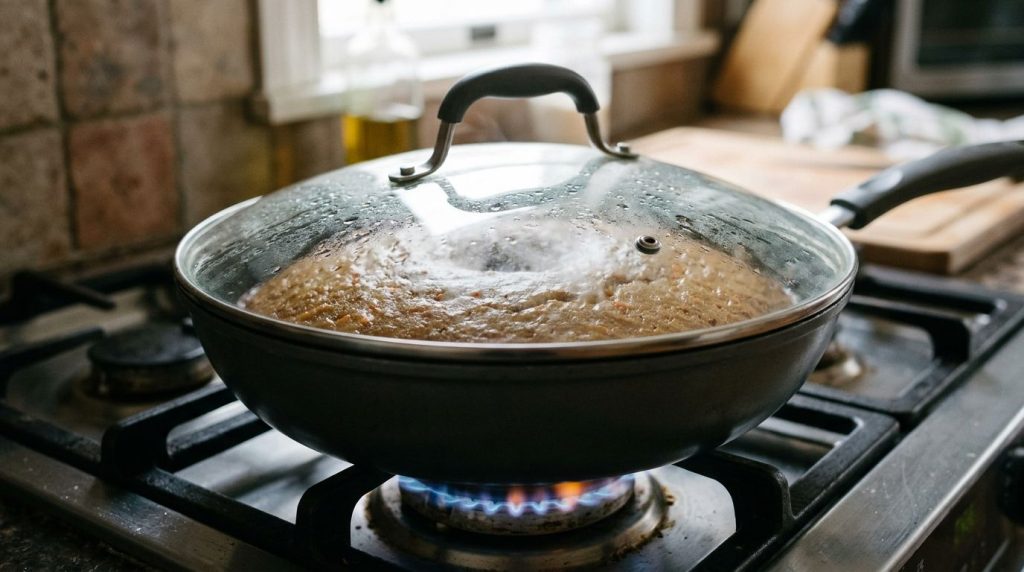
Place the skillet or springform pan on your stovetop over the lowest possible heat setting. Cover the pan tightly with a lid. Cook for approximately 25-35 minutes. The cooking time can vary greatly depending on your stovetop’s heat distribution and the thickness of your pan. Do not lift the lid frequently, as this releases steam essential for cooking.
Step 5: Check for Doneness and Cool
After 25 minutes, gently check for doneness. The cake is ready when the edges appear set and a toothpick inserted into the center comes out mostly clean (a few moist crumbs are fine for this type of cake). If it still seems very wet, cover and continue cooking for another 5-10 minutes, checking every few minutes. Once cooked, carefully remove the pan from the heat and let the cake cool completely in the pan before attempting to remove it. This is crucial for its structure. Once cool, carefully invert it onto a plate or use the springform pan’s release mechanism.
Step 6: Prepare the Topping (Optional)
While the cake cools, prepare your cream cheese style topping. In a small bowl, combine the softened light cream cheese, Greek yogurt, maple syrup (or honey), and vanilla extract. Whisk until smooth and creamy. Taste and adjust sweetness as desired.
Step 7: Frost and Serve
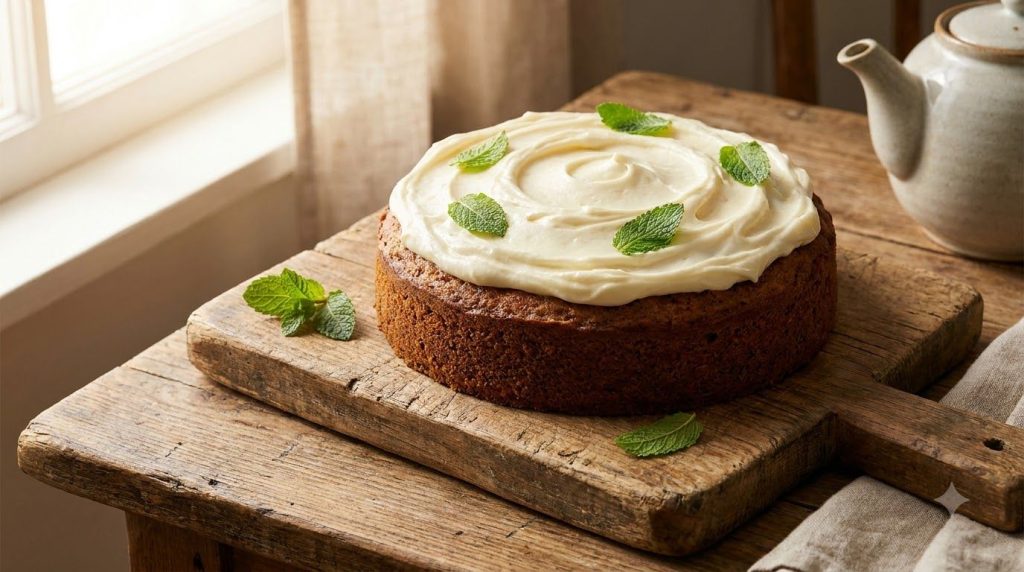
Once the cake is completely cool, spread the cream cheese style topping evenly over the top. If desired, sprinkle with chopped walnuts or pecans for extra crunch and flavor. Slice and serve immediately. Enjoy your healthy, oven-free carrot cake!
Pro Tips for the Best Results
- Finely Grate/Chop Carrots: Smaller pieces blend more easily and integrate better into the cake for a smoother texture.
- Don’t Overmix: Blend until just combined and smooth. Over-blending can develop gluten in the oats and make the cake tough.
- Low and Slow Heat: This is paramount for stovetop baking. If the heat is too high, the bottom will burn before the center cooks through. Use the absolute lowest setting your stove offers.
- Tightly Covered Pan: The lid traps steam, which cooks the cake evenly. Avoid peeking too often to maintain the internal temperature.
- Cool Completely: Allow the cake to cool fully in the pan before removing it. This prevents it from breaking apart, as it’s more delicate when warm.
- Soften Dates: If your Medjool dates are hard, soak them in hot water for 5-10 minutes, then drain well before blending. This ensures a smoother batter.
- Customize Your Spices: Adjust the cinnamon, ginger, and nutmeg to your personal preference. A little cardamom or allspice can also be a wonderful addition.
Common Mistakes to Avoid
- Using High Heat: The most common mistake. Too high heat will burn the bottom and sides while leaving the center raw. Always use the lowest possible heat setting.
- Lifting the Lid Too Soon/Often: Each time you lift the lid, you release crucial steam and heat, prolonging the cooking time and potentially making the cake dry.
- Not Cooling Enough: Trying to remove the cake from the pan or frost it while still warm will likely result in it falling apart. Patience is key!
- Using Instant Oats: Instant oats are too finely processed and will result in a different texture, possibly a gummy cake. Stick to rolled oats.
- Skipping Parchment Paper: If not using a springform pan, parchment paper is your best friend for easy cake removal. Without it, the cake might stick.
Variations & Substitutions
- Nutty Crunch: Fold in ½ cup (50 g) of chopped walnuts or pecans into the batter before cooking for added texture.
- Raisin Delight: Add ¼ cup (35 g) of raisins or dried cranberries to the batter for extra sweetness and chewiness.
- Chocolate Chip Surprise: Stir in ¼ cup (40 g) of sugar-free chocolate chips for a chocolatey twist.
- Fruitier Cake: Replace some of the carrots with finely grated apple for a different flavor profile.
- Vegan Option: Replace eggs with 2 ‘flax eggs’ (2 tbsp ground flaxseed mixed with 6 tbsp water, let sit for 5 minutes) and use plant-based milk and cream cheese/yogurt for the topping.
- Different Toppings: A simple dusting of powdered erythritol, a drizzle of nut butter, or a dollop of coconut cream can also be great topping choices.
Serving Suggestions
This Oven-Free Carrot Cake is wonderfully versatile:
- Dessert: Serve a slice with a cup of coffee or herbal tea for a satisfying after-meal treat.
- Breakfast/Brunch: Its wholesome ingredients make it a fantastic option for a healthier breakfast on the go, especially without the frosting.
- Snack: Enjoy a small piece as a fiber-rich, naturally sweet snack to curb cravings.
- With Fruit: Pair a slice with fresh berries or sliced oranges for a burst of freshness.
Storage & Reheating
- Refrigerator: Store leftover carrot cake in an airtight container in the refrigerator for up to 3-4 days. The frosting tends to keep it moist.
- Freezer: You can freeze unfrosted slices for up to 1 month. Wrap individual slices tightly in plastic wrap, then place in a freezer-safe bag or container. Thaw in the refrigerator overnight or at room temperature.
- Reheating: Best enjoyed chilled or at room temperature. If you prefer it slightly warm, you can gently heat a slice in the microwave for 15-30 seconds, but be careful not to overheat, especially if it’s frosted.
FAQ
Can I use instant oats for this recipe?
No, it’s best to use rolled oats (old-fashioned). Instant oats are too finely processed and will result in a different, possibly gummy, texture.
What if I don’t have a blender, only a food processor?
A food processor will work perfectly! It can grind the oats and blend the batter just as effectively. You might need to scrape down the sides more often.
My cake isn’t cooking through in the middle, what should I do?
This usually means the heat is too low or you’ve lifted the lid too many times. Ensure your stove is on its absolute lowest setting and avoid peeking. If the edges are getting too dark, try placing an aluminum foil tent over the cake inside the pan (under the lid) to deflect some direct heat, then continue cooking.
Can I make this cake ahead of time?
Absolutely! This cake tastes even better the next day once the flavors have had a chance to meld. Store it in the refrigerator with or without frosting.
Is this cake suitable for specific diets like keto or paleo?
This cake is naturally gluten-free and refined sugar-free. However, it is not keto due to the oats and dates. For paleo, oats would need to be replaced with a paleo-friendly ‘flour’ such as almond flour, which would significantly alter the recipe and cooking method.
What if I don’t want to add the cream cheese style topping?
The cake is delicious on its own! You can omit the topping entirely for an even lighter option, or simply dust it with cinnamon before serving.
Oven-Free Carrot Cake
A healthy and easy carrot cake made entirely on the stovetop, with no added sugar or flour.
- Prep Time: 15 minutes
- Cook Time: 25-35 minutes
- Total Time: 40-50 minutes
- Servings: 8-10 slices
- Course: Dessert, Snack, Breakfast
- Cuisine: American
- Cooking Method: Stovetop, Blending
Ingredients:
- For the Carrot Cake:
- 1 ½ cups (135 g) rolled oats
- 1 cup (120 g) finely chopped or grated carrots
- ½ cup (80 g) pitted Medjool dates, packed
- 2 large eggs
- ½ cup (120 ml) milk (dairy or non-dairy)
- 2 tbsp (30 ml) unsweetened applesauce or plain Greek yogurt
- 1 tsp baking powder
- 1 tsp ground cinnamon
- ½ tsp ground ginger
- ¼ tsp ground nutmeg
- ¼ tsp salt
- 1 tsp vanilla extract
- For the Cream Cheese Style Topping (Optional):
- 4 oz (113 g) light cream cheese, softened
- ¼ cup (60 g) plain Greek yogurt
- 1-2 tbsp (15-30 ml) maple syrup or honey (to taste)
- ½ tsp vanilla extract
- Optional: Chopped walnuts or pecans for garnish
Instructions:
- Prepare the Oat Flour: In a blender or food processor, grind rolled oats into a fine flour-like consistency (30-60 seconds). Set aside.
- Blend Wet Ingredients: Add carrots, dates, eggs, milk, applesauce (or yogurt), baking powder, cinnamon, ginger, nutmeg, salt, and vanilla extract to the blender with the oat flour. Blend on high until smooth and well combined, scraping sides as needed.
- Prepare the Pan: Lightly grease a 9-inch (23 cm) non-stick skillet with a lid or a springform pan. Line the bottom with parchment paper if not using springform. Pour batter evenly into the pan.
- Cook on Stovetop: Place the pan on the lowest possible heat setting on your stovetop. Cover tightly with a lid and cook for 25-35 minutes. Do not lift the lid frequently.
- Check & Cool: Check for doneness with a toothpick (should come out mostly clean). If needed, continue cooking for another 5-10 minutes. Remove from heat and let cool completely in the pan before removing.
- Prepare Topping (Optional): While cake cools, whisk softened light cream cheese, Greek yogurt, maple syrup (or honey), and vanilla extract until smooth. Adjust sweetness.
- Frost & Serve: Once cooled, spread topping over the cake. Garnish with chopped walnuts or pecans, if desired. Slice and serve.
Notes:
Ensure your stovetop heat is on the absolute lowest setting to prevent burning. Cool the cake completely before frosting or removing from the pan to maintain its structure. For a vegan option, use flax eggs and plant-based milk/cream cheese.
Storage:
Store in an airtight container in the refrigerator for 3-4 days. Unfrosted cake can be frozen for up to 1 month.
Nutrition:
Nutrition information is an estimate and may vary depending on the ingredients and brands used.