Chia seeds have earned their place as one of the most popular superfoods in the modern kitchen. These tiny seeds are packed with fiber, plant-based omega-3 fats, protein, and minerals such as calcium and magnesium. But a common question keeps coming up among health-conscious readers: does the way you prepare chia seeds change how much your body can actually use? The short answer is yes, and understanding why can help you get more from every spoonful.
Why Preparation Matters
Chia seeds have a tough outer shell. When they are eaten whole and dry, much of the seed can pass through the digestive tract without being broken down. Soaking, grinding, or gently cooking chia makes the seed easier to digest and helps your body access its fiber, protein, and fats more effectively. Think of preparation as the step that helps the seed deliver what it already offers.
The Healthiest Ways to Enjoy Chia Seeds
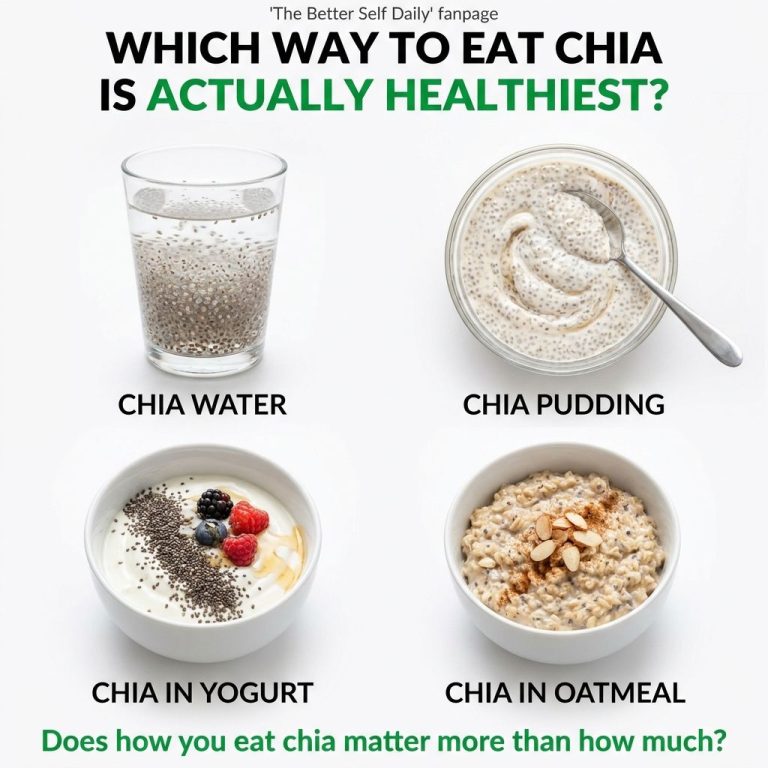
- Soak them into chia pudding. Mix about 2 tablespoons of chia seeds with 3/4 cup of milk or unsweetened plant-based milk. Stir, rest for 10 minutes, stir again to prevent clumping, then refrigerate for at least 2 hours or overnight. The seeds form a gel that is gentle on digestion and makes a filling breakfast.
- Stir them into oatmeal or yogurt. Adding chia to warm oats or plain Greek yogurt boosts fiber and protein. Let the mixture sit for a few minutes so the seeds can absorb liquid and soften.
- Grind them before using. Ground chia, sometimes called chia meal, is easier for your body to use. Sprinkle it into smoothies, batter, or baked goods. Store ground chia in the refrigerator to help protect its delicate fats from going rancid.
- Blend them into smoothies. Blending breaks down the outer shell and disperses the seeds evenly, so you get a creamy texture and a steady dose of nutrients.
- Add them to baked goods carefully. Whole or ground chia can be mixed into muffins, pancakes, or energy bites. Moderate heat is best, as very high temperatures can degrade some of the healthy fats.
Simple Tips for Getting the Most Benefit
- Start with 1 to 2 tablespoons per day and increase gradually to give your digestive system time to adjust.
- Always drink enough water, since chia absorbs liquid and supports healthy hydration.
- Pair chia with colorful fruits and vegetables to boost your intake of vitamins and antioxidants.
- Choose raw, unsalted chia seeds and store them in a cool, dark place to keep them fresh.
Who Should Be Cautious?
Chia seeds are generally safe for most adults, but people with swallowing difficulties, a history of bowel obstruction, or certain digestive conditions should speak with a healthcare professional first. Anyone taking blood pressure or blood sugar medication should also check with their doctor, since fiber-rich foods can influence how those medicines work.
The Bottom Line
How you enjoy chia seeds does make a difference. Soaking, grinding, and blending help your body make the most of their fiber, protein, and plant-based omega-3 fats, and simple habits like chia pudding or a morning smoothie can fit easily into a busy routine. Try one of these methods this week and notice how it feels. Which way of eating chia seeds would you like to try first?