Most people walk past sweet broomweed without a second glance, yet its dried flowering tops have been brewed into a simple tea for scratchy, uncomfortable throats. The plant is easy to overlook, but the preparation is straightforward once you know what to look for.
What It Is
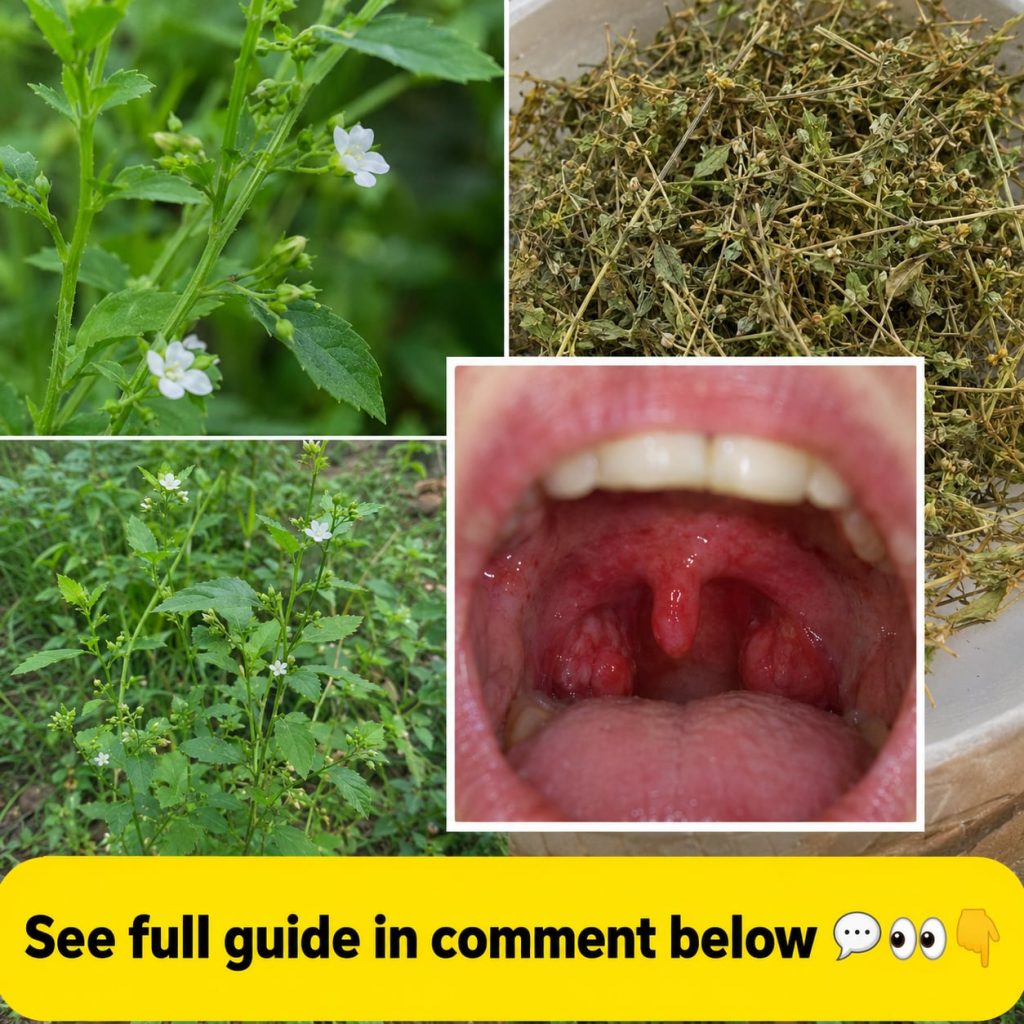
Sweet broomweed (Gutierrezia sarothrae) is a woody, low shrub common across dry grasslands, mesas and desert edges. It blooms with small yellow flower clusters, usually in late summer and autumn. Traditional herbal use focuses on the flowering tops and stems, which are dried for tea. Modern research on this plant is limited, so treat it as a traditional herbal preparation rather than a proven treatment.
Ingredients
- 1 to 2 teaspoons dried sweet broomweed flowering tops and stems
- 1 cup (240 ml) fresh, filtered water
- Optional: 1 teaspoon raw honey or a small squeeze of lemon
Approximate Measurements
Start with about 1 teaspoon of dried herb per cup of water. Stronger is not better with this plant. A light brew is gentler on the stomach and easier to adjust.
Quick Tip: Keep a small kitchen scale or measuring spoon set next to your jar so each batch tastes the same.
Formula and Step-by-Step Method
- Bring fresh water to a gentle boil.
- Remove the pot from the heat and wait about 30 seconds.
- Add 1 teaspoon of dried herb to a cup or small teapot.
- Pour the water over the herb, cover, and steep for 8 to 10 minutes.
- Strain through a fine mesh strainer.
- Let the tea cool until warm, not hot, before sipping.
How to Use
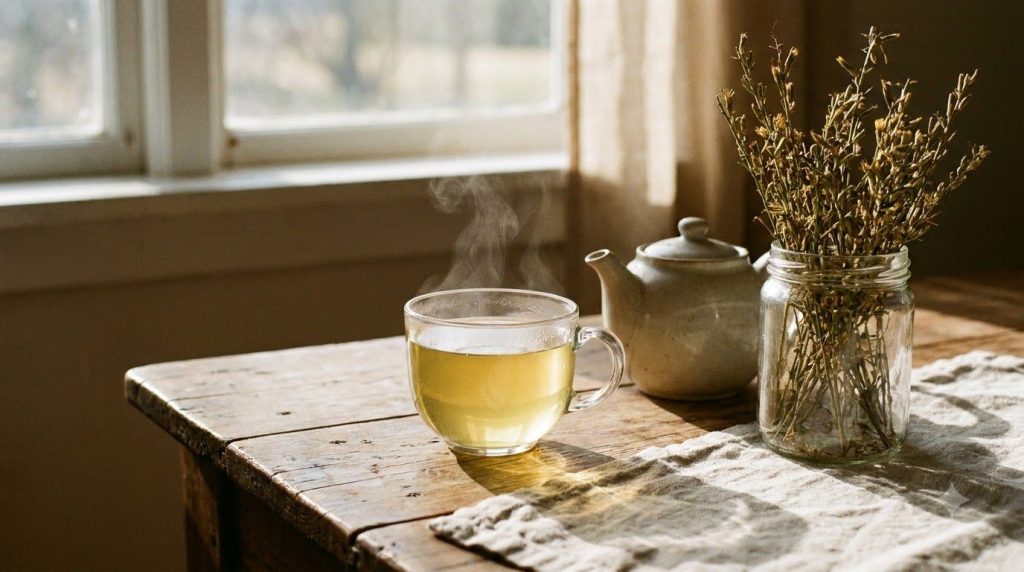
Sip slowly while the tea is warm. If the flavor is too earthy, add a teaspoon of raw honey after straining. Avoid adding it to boiling liquid, because heat can change the honey’s texture and taste.
How Often to Use
Most people who follow traditional guidance keep it simple: one cup, up to two times a day, for a few days at a time. If the throat does not feel better within a short period, or if symptoms get worse, stop and speak with a healthcare professional. A sore throat with fever, trouble swallowing, or breathing difficulty needs prompt medical attention.
Preparation Comparison
| Preparation | Best For | Shelf Life | Notes |
|---|---|---|---|
| Standard hot infusion | Warm sipping during the day | Brew fresh each time | Light flavor, easiest method |
| Cooled infusion (refrigerated) | Gentle room-temperature sipping | Up to 24 hours | Less bitter, keep covered |
| Strong decoction | Not recommended for home use | Not recommended | Can be harsh on the throat and stomach |
How to Buy or Choose Ingredients
Choose dried herb from suppliers that clearly identify the species and describe how the plant was harvested. Good dried material should look greenish-yellow, smell mildly resinous, and show no mold, dampness or dust. Avoid plants gathered from roadsides or areas that may have been sprayed. If you gather it yourself, correct identification is essential, because several yellow-flowered shrubs look similar.
Storage
Store dried herb in an airtight glass jar, away from light, heat and moisture. Label the jar with the harvest or purchase date. Properly dried herb keeps its best flavor for about one year. Never store the herb in a damp container, because moisture encourages mold.
Practical Tips
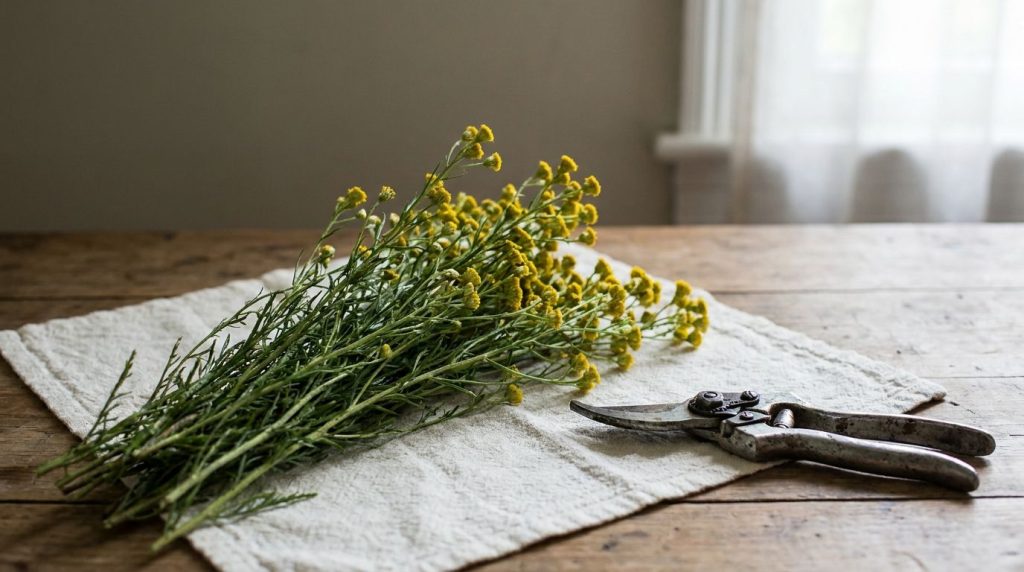
- Dry harvested stems in a shaded, airy room for one to two weeks until they snap easily.
- Use filtered water for the cleanest taste.
- Rinse your teapot well between batches to prevent residue buildup.
Common Mistakes
- Boiling the herb for a long time, which makes the tea bitter and harsh.
- Using damp or moldy herb.
- Storing dried material in a wet jar.
- Drinking large amounts in the hope of faster results.
- Harvesting from sprayed or polluted areas.
Cautions and Who Should Avoid It
Sweet broomweed belongs to the daisy family, so people with ragweed or other Asteraceae allergies should avoid it. Do not use it if you are pregnant, breastfeeding, or giving it to children without medical advice. Livestock can be harmed by large amounts of this plant, so keep it away from animals and pets. If you take prescription medicines, check with a pharmacist or doctor before drinking it regularly.
Quick Summary
- Best preparation: Light hot infusion with 1 teaspoon dried herb per cup.
- Best use case: Gentle warm sips for mild throat discomfort, for short periods.
- Storage: Airtight, dark, dry jar; up to one year.
- When to use: Once or twice daily for a few days.
- What to avoid: Strong brews, damp herb, sprayed plants, and use during pregnancy without medical advice.
FAQ
Can I use fresh or dried sweet broomweed?
Dried herb is the most practical choice for home tea because it is easier to measure and store. Fresh material requires correct identification and careful harvesting, and it is harder to dose consistently.
How long does the dried herb last?
When kept in an airtight jar away from light and moisture, dried herb is best within about one year.
Can I refrigerate the brewed tea?
Yes, you can refrigerate a cooled infusion in a covered container for up to 24 hours. Discard it after that.
Can I freeze the tea?
Freezing is not recommended for herbal infusions, because the flavor weakens and the texture can change once thawed. Brew fresh instead.
Which part of the plant is used?
Traditional preparations use the flowering tops and stems, dried for tea. Roots and older woody parts are not part of the common home method.
Can I reuse the herb for a second cup?
A second, lighter infusion is possible, but the flavor will be weaker. Most people get the best result from fresh herb each time.
When should I avoid it?
Avoid it during pregnancy or breastfeeding, if you have a daisy-family allergy, or if you are taking medicines and have not checked with a professional.
Conclusion
Sweet broomweed tea is a simple traditional preparation that rewards careful sourcing and gentle brewing. Keep the herb dry, brew it lightly, and listen to your body. If your sore throat persists, seek professional care.
Read more: our guide to ginger and honey throat tea for a milder everyday option.
Related remedy: how to dry and store garden herbs for long-lasting flavor and potency.
See the full guide: choosing trustworthy dried herbs for home preparations.