For generations, many women have kept a simple jar of cream on the bathroom shelf and relied on it for soft, comfortable skin. One old-fashioned combination that keeps resurfacing in beauty conversations is Boroline cream mixed with a small amount of rosehip oil. Here is what this classic blend is all about, what it can realistically offer, and how to try it safely at home.
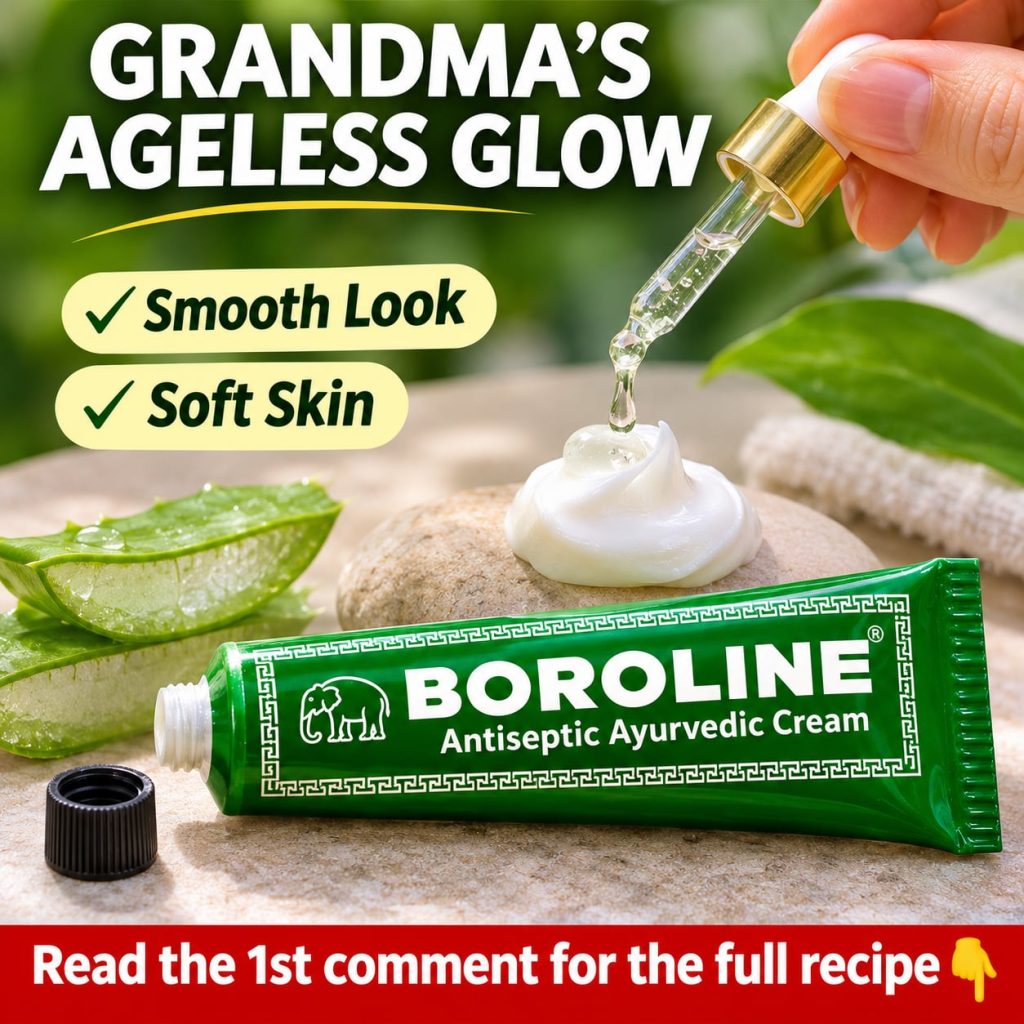
What Is Boroline Cream?
Boroline is a traditional cream that has been sold for many years and is often found in family medicine cabinets. It is usually known for its soothing, protective texture, which is why people have long used it on dry patches and rough areas. Because it is a thick, rich cream, it is often chosen for moments when the skin needs extra comfort and a barrier against dryness.
Why Rosehip Oil Pairs Well
Rosehip oil is a lightweight plant oil that many people appreciate for its natural fatty acids and vitamin A content. Mixing a small amount into a richer cream can make the texture feel softer and easier to spread, while adding a natural oil that is popular in DIY skincare routines. Think of the cream as the base and the oil as a gentle finishing touch.
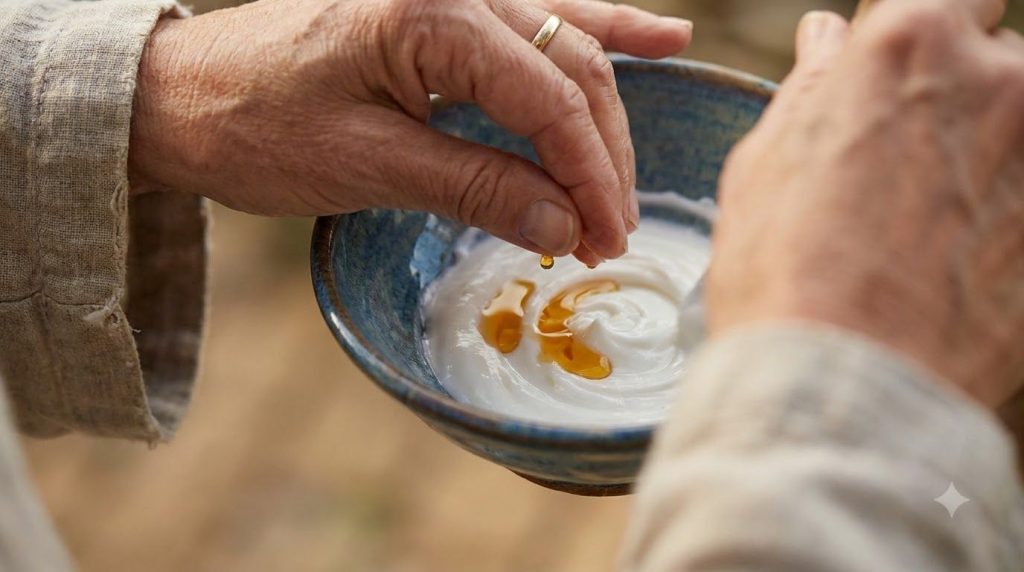
A Simple Way to Try the Blend
Start with a very small test batch so you can see how your skin responds. The goal is a gentle, smooth mixture rather than a heavy paste.
- Place a small, pea-sized amount of cream on a clean dish or spatula.
- Add just a few drops of rosehip oil, starting with less than you think you need.
- Mix thoroughly until the texture is even and smooth.
- Apply a thin layer to clean, slightly damp skin, focusing on dry areas such as cheeks, elbows, or hands.
- Use it as a nighttime moisturizer, and store any leftovers in a clean, covered container.
Realistic Expectations
Simple home blends are best viewed as a comforting addition to a daily routine, not as a miracle solution. Many people notice softer, more hydrated skin after consistent use, which can make fine dryness look less noticeable. Wrinkles, dark spots, and other concerns usually need a longer-term plan that may include sun protection, a gentle cleanser, and professional advice when needed.
Safety Tips Before You Start
- Always do a patch test on a small area of skin for 24 to 48 hours before using the mixture on your face.
- Avoid applying it to broken, irritated, or infected skin.
- Keep the mixture away from your eyes and mouth.
- Stop using it immediately if you notice redness, itching, burning, or swelling.
- If you have sensitive skin, a medical condition, or are pregnant, speak with a healthcare professional or dermatologist first.
Final Thoughts
Grandma’s ageless secret is really a reminder that simple, familiar ingredients can still have a place in modern self-care. When used carefully and with realistic expectations, a classic cream and a touch of rosehip oil can be a comforting, budget-friendly way to support soft, healthy-looking skin. Try it with patience, listen to your skin, and enjoy the calm ritual of caring for yourself.