In today’s fast-paced world, it’s easy to overlook the subtle yet profound ways our daily choices impact our health. Among these, diet plays a crucial role, particularly when it comes to male fertility. The food choices you make each day can either nourish or harm your sperm health, significantly influencing your reproductive well-being.
Understanding this intricate connection is the first step towards optimizing male reproductive health. This article delves into the general principles of how your diet can profoundly influence male fertility, highlighting the importance of discerning which foods support sperm health and which ones to limit for optimal outcomes.
The Profound Link: Diet and Male Reproductive Health
Male fertility is a complex interplay of genetic factors, lifestyle, and environmental influences. Among these, diet stands out as a modifiable factor that can have a significant impact. What we eat provides the raw materials for hormone production, sperm development, and the overall cellular health necessary for reproduction.
A well-balanced diet can supply essential nutrients, antioxidants, and compounds that protect sperm from oxidative stress and DNA damage, crucial elements for healthy sperm function. Conversely, a diet lacking in these vital components, or rich in detrimental elements, may contribute to diminished sperm quality, motility, and count.
Understanding Foods That Support Sperm Health
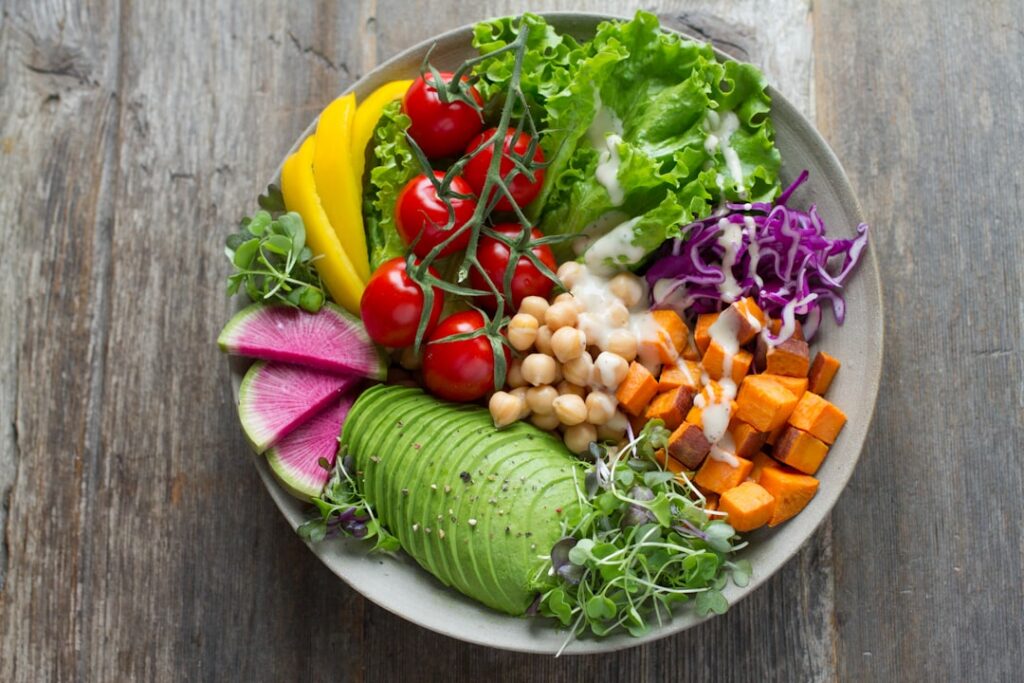
While specific recommendations vary, the concept of foods that support sperm health revolves around providing the body with optimal conditions for spermatogenesis and protecting delicate reproductive cells. These supportive foods are generally associated with a rich profile of vitamins, minerals, and antioxidants that are vital for cellular integrity and function.
Such dietary choices often contribute to:
- Reduced Oxidative Stress: Antioxidant-rich foods can help neutralize free radicals, protecting sperm from damage.
- Optimal Hormone Balance: Certain nutrients play a role in the synthesis and regulation of hormones essential for male fertility.
- Enhanced Sperm Quality: Adequate intake of key nutrients can contribute to improved sperm morphology, motility, and concentration.
- Overall Cellular Health: These foods provide the building blocks necessary for healthy cell division and function throughout the body, including reproductive organs.
Embracing a diet rich in these beneficial categories of food can be a proactive step towards supporting long-term reproductive health.
Identifying Foods to Limit for Optimal Fertility
Just as some foods nourish, others may pose challenges to sperm health. Understanding which dietary elements to limit is equally important for those aiming for optimal reproductive well-being. These foods or dietary patterns are often linked to factors that can negatively impact sperm quality and male fertility.
Limiting certain dietary choices may help to mitigate:
- Increased Oxidative Stress: Some foods can promote inflammation and the production of free radicals, which can harm sperm.
- Hormonal Disruptions: Certain dietary components may interfere with the body’s natural hormone regulation.
- Impaired Sperm Function: Foods high in particular less healthy fats or certain additives may negatively affect sperm motility and vitality.
- Overall Health Concerns: A diet consistently high in these elements can lead to broader health issues that indirectly impact fertility.
Making conscious choices to reduce the intake of these potentially detrimental foods is a significant step in safeguarding male reproductive health.
Making Informed Dietary Choices for Reproductive Well-being
The journey to optimal male fertility is multifaceted, and diet is a cornerstone. While specific dietary plans should be tailored to individual needs, the overarching principle remains: prioritize a diet that nurtures and protects your body’s intricate systems.
Being mindful of the profound influence of your diet on sperm health empowers you to make healthier choices every day. For personalized guidance and to develop a dietary strategy best suited for your unique health profile, consulting with a healthcare professional or a registered dietitian specializing in fertility is highly recommended.
Final Thoughts
Your diet holds a powerful influence over your reproductive health. By understanding the general categories of foods that nourish sperm and those that may cause harm, you can make informed decisions that support male fertility. Prioritizing a balanced and thoughtful approach to eating is a vital investment in your overall well-being and reproductive future.
Medical Disclaimer: This article provides general information and is not intended as medical advice. Always consult with a qualified healthcare professional for any health concerns or before making any changes to your diet or health regimen.