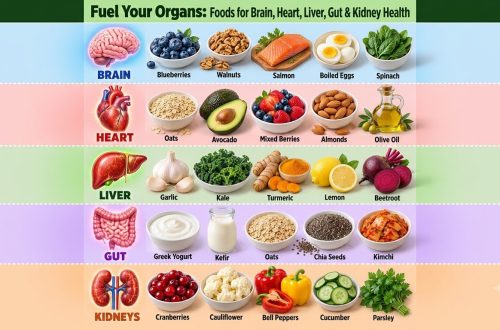
In a world often seeking quick fixes, the ancient wisdom of Food as Medicine offers a profound, yet simple, path to holistic wellness. It’s not about restrictive diets or complicated regimens, but about understanding how everyday foods can be powerful allies for your body, nourishing specific organs and systems to support vibrant health. At Glowra Health, we believe in embracing a ‘slow habit’ approach – making gradual, sustainable changes that lead to lasting well-being.
This article will explore the philosophy behind Food as Medicine, highlight the benefits of integrating a slow habit into your dietary choices, and provide practical ways to start your journey towards using whole foods to support your body’s innate healing capabilities.
Understanding Food as Medicine: A Holistic View
The concept of ‘Food as Medicine’ isn’t new; it’s rooted in traditions from around the globe that recognize the profound impact of nutrition on health and disease prevention. It’s about viewing food not just as fuel, but as information for your cells, influencing everything from your energy levels to your immune response.
Beyond Nourishment: The Healing Power of Food
When we talk about food as medicine, we’re considering the bioactive compounds found in whole, unprocessed foods – vitamins, minerals, antioxidants, fiber, and phytonutrients. These elements work synergistically to:
- Support Cellular Health: Protecting cells from damage and promoting optimal function.
- Boost Immunity: Strengthening the body’s natural defenses against illness.
- Reduce Inflammation: Many chronic diseases are linked to inflammation, and certain foods can help modulate this response.
- Promote Gut Health: A healthy gut microbiome is crucial for digestion, immunity, and even mood.
- Balance Hormones: Essential nutrients play a key role in hormonal regulation.
- Enhance Cognitive Function: Specific nutrients are vital for brain health and mental clarity.
The “Slow Habit” Approach to Wellness
While the idea of transforming your diet can feel overwhelming, the ‘slow habit’ approach advocates for small, consistent changes rather than drastic overhauls. This method acknowledges that lasting change comes from building sustainable routines.
Why Sustainable Changes Matter
Rapid, restrictive diets often lead to burnout and a return to old habits. A slow habit, however, focuses on:
- Consistency Over Intensity: Making one small, healthy swap each week or month.
- Mindful Eating: Paying attention to hunger cues, satisfaction, and the experience of eating.
- Personalization: Understanding what works best for *your* body and lifestyle.
- Enjoyment: Finding joy in nourishing foods, making the journey pleasurable rather than a chore.
- Long-Term Results: Building foundational habits that support health for years to come.
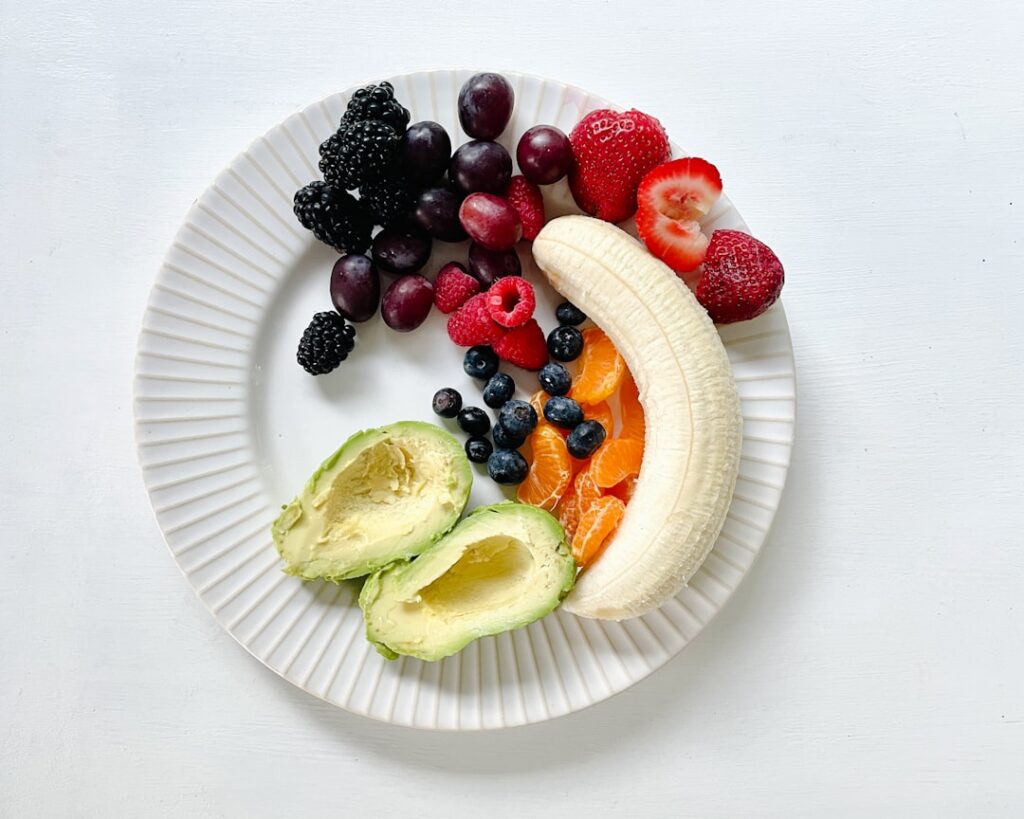
Building Your “Food as Medicine” Plate
Incorporating the principles of Food as Medicine with a slow habit means prioritizing nutrient-dense foods that support your body’s systems. Here are foundational principles to consider:
Foundational Principles for Organ Support
While specific organ-food pairings are complex, focusing on diverse whole foods generally supports overall systemic health:
- Abundant Fruits and Vegetables: Rich in antioxidants, vitamins, minerals, and fiber. Aim for a variety of colors to ensure a broad spectrum of nutrients. These support cellular repair, digestion, and immunity.
- Whole Grains: Provide sustained energy, fiber for gut health, and B vitamins. Options include oats, quinoa, brown rice, and whole-wheat bread.
- Lean Proteins: Essential for muscle repair, enzyme production, and satiety. Choose sources like beans, lentils, tofu, eggs, fish, and lean poultry.
- Healthy Fats: Crucial for brain function, hormone production, and nutrient absorption. Incorporate avocados, nuts, seeds (like chia seeds!), and olive oil.
- Fermented Foods: Support a healthy gut microbiome with beneficial bacteria. Examples include yogurt, kefir, sauerkraut, and kimchi.
- Hydration: Water is fundamental for every bodily process, from nutrient transport to temperature regulation.
Practical Tips for a Holistic Eating Journey
Ready to start your slow habit for Food as Medicine? Here are some simple, actionable tips:
Meal Planning and Mindful Eating
- Start Small: Instead of overhauling your entire diet, pick one meal to focus on each week. For example, commit to a healthy, whole-food breakfast every day.
- Add, Don’t Just Subtract: Focus on adding more beneficial foods rather than immediately cutting out everything you enjoy. Gradually, the healthier choices will naturally displace less nutritious ones.
- Hydrate Mindfully: Carry a water bottle and aim to drink a glass of water before each meal.
- Read Labels: Become familiar with ingredient lists. Choose foods with fewer, recognizable ingredients.
- Cook More at Home: This gives you control over ingredients, portion sizes, and preparation methods.
- Chew Thoroughly: Digestion begins in the mouth. Chewing food properly aids nutrient absorption and prevents digestive discomfort.
- Listen to Your Body: Pay attention to how different foods make you feel. Do you feel energized, sluggish, or satisfied? This feedback is invaluable.
Common Questions About Food and Healing
As you embark on your Food as Medicine journey, you might have some questions.
Is Food as Medicine a Replacement for Conventional Medicine?
No. Food as Medicine is a complementary approach that supports overall health and can help prevent and manage certain conditions. It’s crucial to consult with your healthcare professional for any medical conditions or before making significant dietary changes, especially if you are on medication.
How Long Until I See Benefits?
The timeline for experiencing benefits varies for everyone and depends on individual health, consistency, and the specific changes made. However, many people report feeling more energized and experiencing improved digestion within weeks of adopting a whole-food diet. The ‘slow habit’ emphasizes long-term, sustained benefits rather than immediate dramatic results.