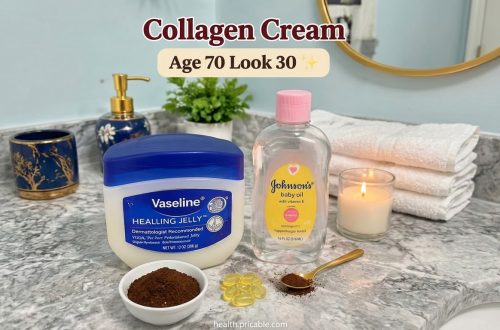
Stubborn blackheads on the nose, chin, and forehead are one of the most common skin concerns adults face. The good news is that many people are exploring simple, budget-friendly routines at home instead of booking a salon visit. If you have been curious about how everyday kitchen ingredients might fit into your skincare routine, this guide walks you through the basics in a clear and practical way.
Why Blackheads Form
Blackheads are open pores that become clogged with a mix of oil (sebum) and dead skin cells. The dark color comes from oxidation, not dirt. Understanding this helps explain why gentle, consistent care tends to work better than harsh scrubbing.
Why People Are Turning to Kitchen Ingredients
Many people are trying DIY beauty routines because they are accessible, affordable, and easy to prepare. Common kitchen staples are often discussed in home skincare circles for their gentle cleansing or exfoliating qualities. Still, the best results come from knowing what your skin can handle and using ingredients thoughtfully.
Before You Try This
- Do a patch test on a small area of skin for at least 24 hours before using any new mixture.
- Avoid ingredients that sting, burn, or leave your skin red and irritated.
- Use clean bowls, spoons, and fresh ingredients every time you prepare a treatment.
- Do not squeeze or pick at blackheads, as this can lead to redness, marks, or breakouts.
- If you have sensitive skin, active breakouts, or open sores, check with a dermatologist first.
A Simple Routine to Consider
- Start with a clean face using a gentle cleanser and lukewarm water.
- Apply your DIY mixture to the areas with visible blackheads, avoiding the delicate eye area.
- Leave it on for only the short time recommended in your chosen recipe, then rinse thoroughly.
- Follow with a lightweight, non-comedogenic moisturizer to keep your skin balanced.
- Limit treatments to once or twice a week so your skin has time to recover.
Set Realistic Expectations
A home routine can help your skin look smoother and feel fresher over time, but it is not a permanent cure and it will not change your skin type. Consistency, gentle handling, and sun protection usually matter more than any single ingredient. For persistent or painful concerns, a professional skin assessment is always a smart choice.
With a patient approach and realistic goals, a simple kitchen-inspired routine can be a worthwhile addition to your self-care habits. Start slowly, listen to your skin, and enjoy the process of learning what works best for you.