Most people pull this weed out of the lawn and toss the root straight into the bin. That is the part many home herbalists quietly keep. The root holds more of the plant’s useful material than the leaves do, and it can be turned into a simple, practical home preparation with a few basic tools.
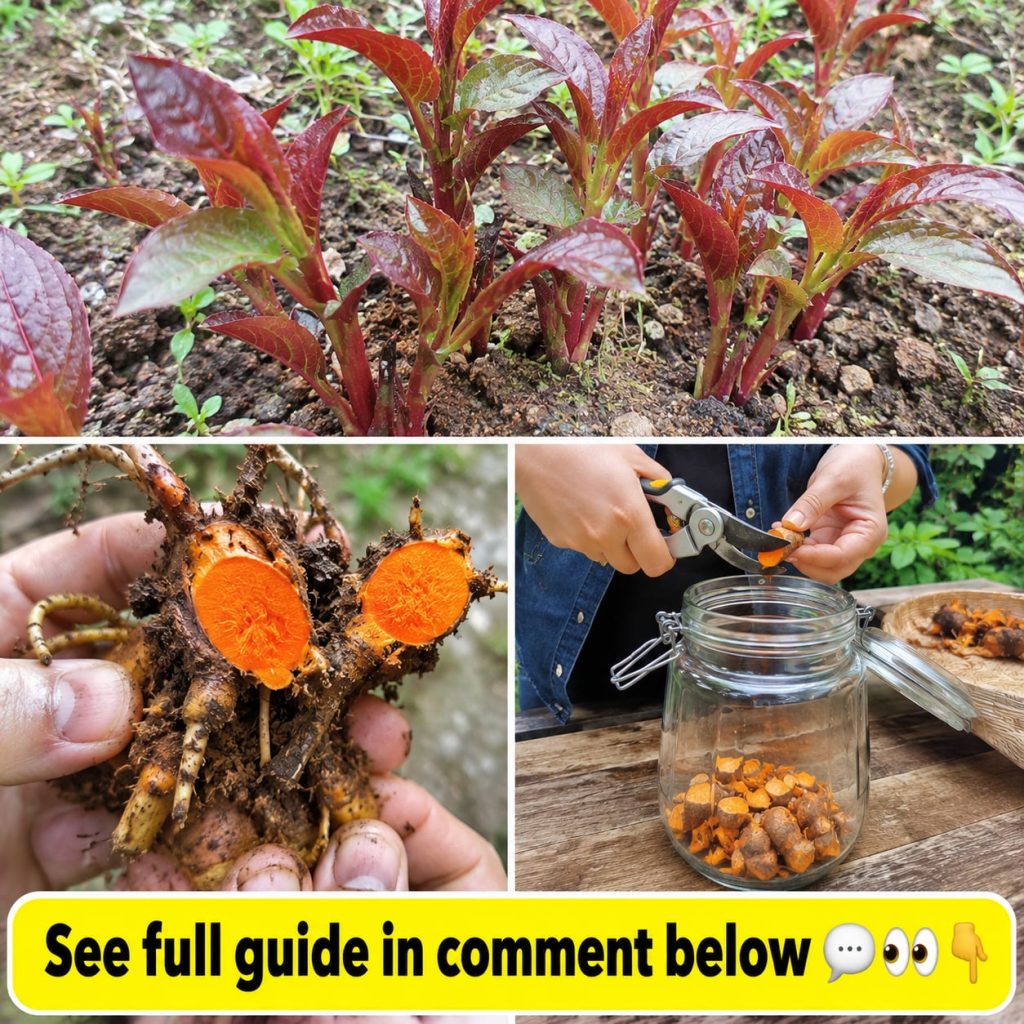
This guide focuses on dandelion root, the most common plant matching this description. Before you start, confirm your plant. Dandelion has a milky sap, a rosette of jagged leaves, and a single hollow flower stem topped with a yellow head.
What It Is
Dandelion root (Taraxacum officinale) is a long, thick taproot that grows deep into the soil. People have used it in home teas, roasted root drinks, and simple decoctions for generations. The root is the part most often used in home preparations because it stores much of the plant’s material over the season.
Ingredients
- 1 to 2 tablespoons of chopped dried dandelion root per cup of water
- 1 cup of fresh cold water per serving
- Optional: a thin slice of fresh ginger or a cinnamon stick
- Optional: a small amount of honey or lemon after brewing
Formula and Recipe: Roasted Dandelion Root Tea
Use this as a basic home version. Adjust the strength to your taste.
| Version | Root Amount | Water | Simmer Time |
|---|---|---|---|
| Light tea | 1 teaspoon chopped roasted root | 1 cup | 5 minutes |
| Standard tea | 1 tablespoon chopped roasted root | 1 cup | 10 minutes |
| Strong decoction | 2 tablespoons chopped roasted root | 2 cups | 15 minutes |
Step-by-Step Method
- Wash the fresh root thoroughly and scrub off the soil.
- Slice the root into thin pieces and dry them fully, or roast them until they turn dark brown and smell like coffee.
- Chop the dried or roasted root into small pieces.
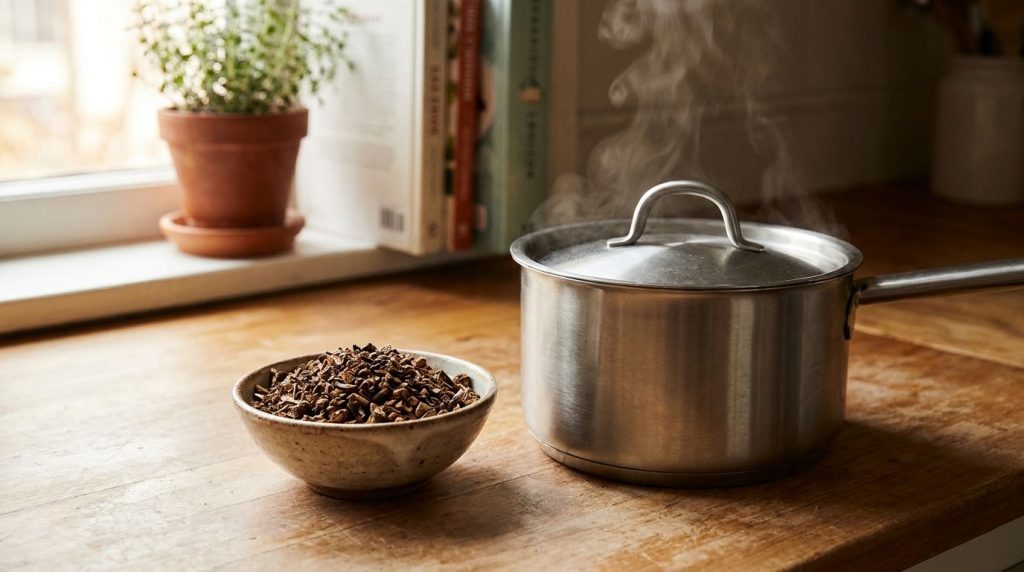
- Add the pieces to cold water in a small pot and bring it to a gentle simmer.
- Simmer for 10 minutes, then remove from heat and rest for 5 minutes.
- Strain through a fine mesh and serve warm or cool.
How to Use
Drink one cup of the tea after a meal, or as a warm drink in the afternoon. Start with the light version to see how your body responds.
How Often to Use
Most people keep a simple home tea to one cup per day for a short period, then take a break. Do not treat it as a daily habit without a clear reason, and check with a qualified health professional if you have an ongoing condition.
How to Buy or Choose Ingredients
Choose roots from an area you know has not been sprayed with lawn chemicals. Dried or roasted root from a reputable herb supplier is a simpler option if you do not want to harvest your own.
Storage
| Form | Storage Method | Typical Shelf Life |
|---|---|---|
| Fresh root | Refrigerated in a paper bag | 3 to 5 days |
| Dried root | Sealed glass jar, dark cupboard | 6 to 12 months |
| Brewed tea | Sealed jar in fridge | 1 to 2 days |
Keep dried root away from moisture. Wet jars invite mold, and one damp spoon can spoil the whole batch.
Practical Tips
- Roast slowly over low heat to avoid a bitter, burnt taste.
- Chop the root small so it releases more of its flavor in a short simmer.
- Label every jar with the harvest or purchase date.
Common Mistakes
- Using roots from sprayed lawns or roadsides.
- Boiling too hard or too long, which makes the tea harsh.
- Storing dried root in a damp cupboard or an open container.
- Skipping the drying step, which leads to mold in the jar.
- Overusing the tea because it tastes mild.
Cautions and Who Should Avoid It
Dandelion can affect some people. Avoid it if you are allergic to ragweed, daisies, or related plants. Speak with a doctor before use if you have gallbladder or bile duct problems, take diuretics or blood thinners, are pregnant or breastfeeding, or are preparing for surgery.
Quick Summary
- Best preparation: roasted dried root simmered for about 10 minutes.
- Best use case: a simple warm tea in small amounts.
- Storage: dried root in a sealed dark jar for up to a year.
- When to use: after meals or as a warm afternoon drink.
- What to avoid: sprayed plants, damp storage, and long hard boiling.
FAQ
Can I use fresh or dried root?
Both work. Fresh root needs washing and slicing, while dried or roasted root is easier to store and brew.
How long does the dried root last?
Stored sealed and dry, it usually keeps for 6 to 12 months.
Can I refrigerate the brewed tea?
Yes, but drink it within one to two days.
Can I freeze the root?
You can freeze fresh root in a sealed bag, though it may soften after thawing.
What part of the plant is best?
The root is the main part used in home tea preparations.
Can I reuse the root pieces?
A second, lighter simmer is possible, but the flavor will be weaker.
When should I avoid it?
Avoid it if you have ragweed allergy or any of the conditions listed in the cautions section.
Conclusion
A humble weed root can become a useful home preparation when you identify it correctly, harvest it cleanly, and store it dry. Start small, keep your method simple, and read more about related home preparations below.
You may also like: dandelion leaf salad guide for fresh spring greens.
Read more: how to dry and store herbs at home without losing flavor.
Related remedy: a simple calendula infused oil for everyday skin care.