The recent discovery of microplastics in human brains has raised significant concerns about their potential impact on our health. These tiny plastic particles, now ubiquitous in our environment, can enter our bodies through various pathways, including the air we breathe, the water we drink, and the food we eat. Once inside, they may accumulate in different organs, including the brain, prompting questions about how we can support our body’s natural defenses.
While research into the long-term effects of microplastics is ongoing, focusing on proactive steps to bolster your body’s detoxification systems can be a valuable approach. This article explores three natural and actionable strategies that may help support your body in eliminating toxins and promoting overall brain health, drawing insights from the latest wellness recommendations.
By integrating simple yet powerful habits into your daily routine, you can empower your body to better navigate the challenges of our modern environment. Let’s explore how hydration, specific herbs, and certain vegetables can play a crucial role in this process.
The Alarming Truth: Microplastics in Our Bodies
Microplastics are fragments of plastic less than five millimeters in length. They originate from larger plastic debris that degrades over time, as well as from microbeads in personal care products and synthetic clothing fibers. These tiny particles have infiltrated every corner of our planet, from the deepest oceans to the highest mountains, and regrettably, our own biological systems.
The presence of microplastics in human organs, including the lungs, gut, and now the brain, underscores an urgent need to understand their health implications. While scientists are still investigating the precise mechanisms by which microplastics affect neurological function, supporting your body’s natural detoxification pathways is a prudent and empowering step.
Why Supporting Your Body’s Natural Detox is Crucial
Our bodies are equipped with complex detoxification systems, primarily involving the liver, kidneys, and lymphatic system, designed to neutralize and eliminate harmful substances. However, the constant barrage of environmental toxins, including novel contaminants like microplastics, can place a significant burden on these systems.
By consciously incorporating practices and foods that enhance these natural processes, we can potentially improve our body’s resilience and its capacity to process and expel unwanted invaders. This is not about ‘detox diets’ but rather about consistent, gentle support for your inherent biological functions.
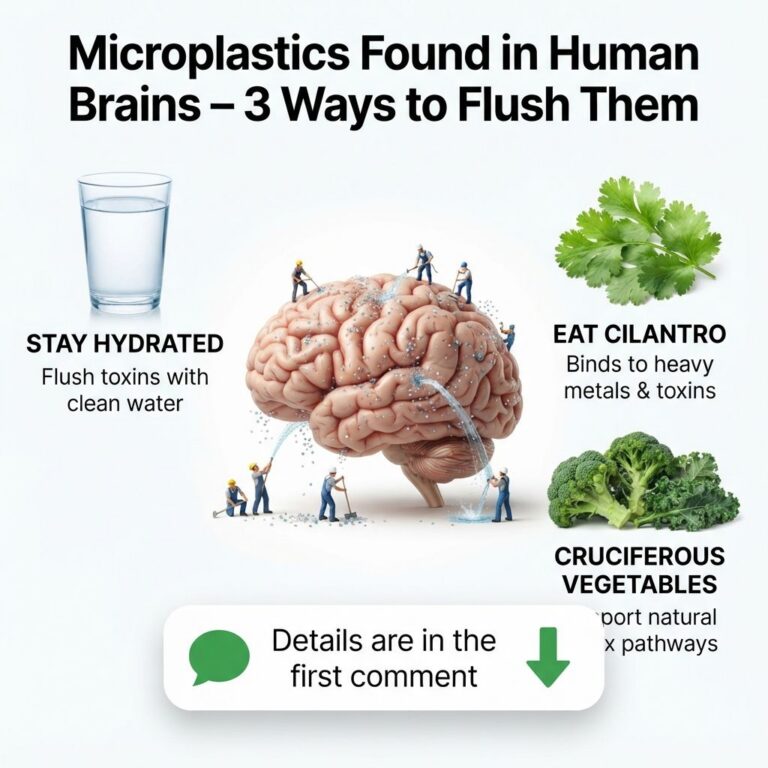
3 Natural Strategies to Support Microplastic Detoxification
Strategy 1: Hydrate Abundantly with Clean Water
One of the most fundamental yet powerful ways to support your body’s detoxification process is through adequate hydration. Water is essential for virtually every bodily function, including the transport of nutrients, waste removal, and maintaining healthy organ function.
- Flushing Toxins: Water acts as the primary medium for the kidneys to filter waste products from the blood and excrete them through urine. Sufficient water intake ensures efficient kidney function, helping to flush out metabolic byproducts and environmental toxins.
- Lymphatic System Support: The lymphatic system, crucial for immune function and waste removal, relies on water to transport lymph fluid throughout the body. Proper hydration keeps this system flowing optimally.
- Cellular Health: Water helps maintain the integrity of cell membranes and facilitates nutrient exchange, which is vital for cells to perform their detoxifying roles effectively.
How to Hydrate Effectively:
- Aim for at least 8 glasses (approximately 2 liters) of clean, filtered water daily. Individual needs may vary based on activity level and climate.
- Consider investing in a quality water filter to minimize exposure to contaminants often found in tap water, ensuring the water you drink is as pure as possible.
- Carry a reusable water bottle to encourage consistent sips throughout the day.
Strategy 2: Incorporate Cilantro – Nature’s Chelator
Cilantro (Coriandrum sativum) is more than just a culinary herb; it’s also gaining attention in the wellness community for its potential detoxifying properties, particularly its ability to bind to heavy metals and other toxins.
- Binding to Toxins: Cilantro contains compounds that are believed to have a chelating effect, meaning they can bind to heavy metals (like mercury, lead, and aluminum) and potentially other environmental toxins, facilitating their excretion from the body. While direct evidence for microplastic chelation is still emerging, its general detox support is well-regarded.
- Antioxidant Properties: Rich in antioxidants, cilantro helps combat oxidative stress, which can be heightened by the presence of toxins in the body.
Easy Ways to Enjoy Cilantro:
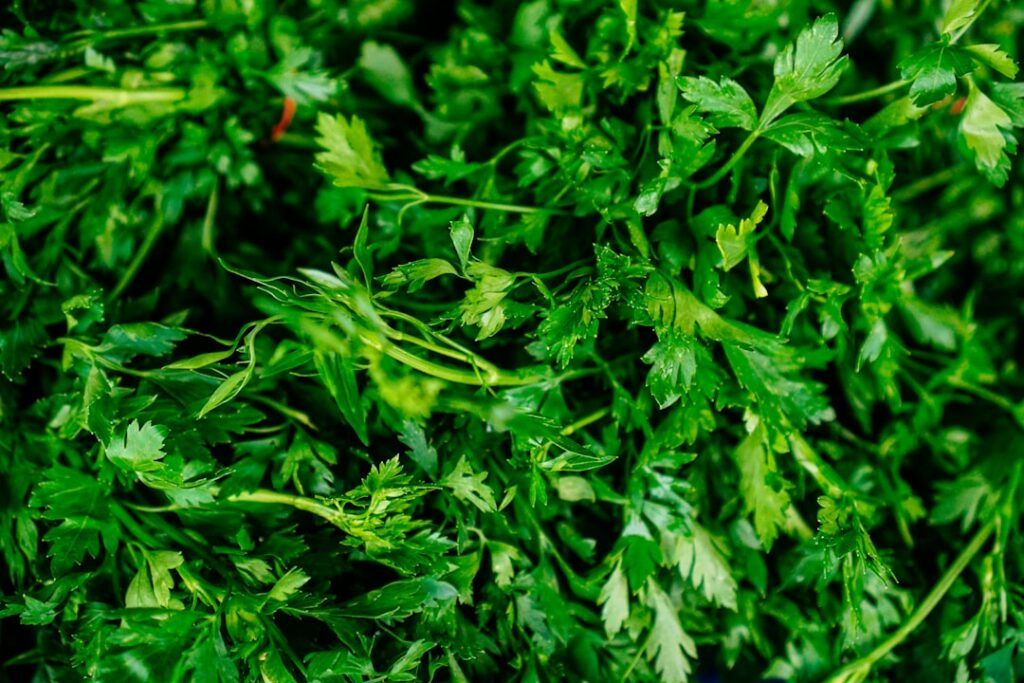
- Add a handful of fresh cilantro to your daily smoothies or juices.
- Sprinkle chopped cilantro over salads, soups, tacos, and stir-fries.
- Make a vibrant cilantro pesto or chutney to serve with meals.
Strategy 3: Prioritize Cruciferous Vegetables for Detox Support
Cruciferous vegetables, a family that includes broccoli, kale, Brussels sprouts, and cabbage, are renowned for their powerful health benefits, especially their robust support for the body’s natural detoxification pathways.
- Activating Detox Enzymes: These vegetables are rich in sulfur-containing compounds called glucosinolates. When chewed and digested, glucosinolates are broken down into biologically active compounds like sulforaphane and indole-3-carbinol (I3C). These compounds are potent activators of Phase 1 and Phase 2 detoxification enzymes in the liver.
- Antioxidant and Anti-Inflammatory Effects: The wealth of vitamins, minerals, and antioxidants in cruciferous vegetables helps protect cells from damage and reduces inflammation, critical components of a healthy detox system.
- Fiber Content: High fiber content aids in healthy digestion and bowel regularity, ensuring toxins are efficiently eliminated from the body.
Making Cruciferous Veggies a Daily Staple:
- Steam, roast, or lightly sauté broccoli and Brussels sprouts for delicious side dishes.
- Incorporate kale and spinach into green smoothies, salads, or stir-fries.
- Add shredded cabbage to salads or ferment it into sauerkraut for added gut health benefits.
Making These Detox Habits Part of Your Routine
Integrating these strategies doesn’t have to be complicated. Start small and build consistent habits:
- Morning Ritual: Begin your day with a large glass of filtered water, perhaps with a squeeze of lemon.
- Meal Planning: Plan meals that naturally include cruciferous vegetables and find ways to add fresh cilantro as a garnish or ingredient. Explore easy meal prep ideas to ensure a consistent supply.
- Snack Smart: Keep filtered water accessible throughout the day.
Remember, consistency is key. These natural methods work synergistically to support your body’s innate ability to maintain health and ward off the effects of environmental contaminants.
FAQs About Microplastics and Natural Detox
Q: Can these methods truly remove microplastics from the brain?
A: While research on direct microplastic removal from the brain via these specific methods is still nascent, hydration, cilantro, and cruciferous vegetables are well-established for supporting the body’s overall natural detoxification pathways. By enhancing the body’s general ability to process and eliminate toxins, they may contribute to a healthier internal environment that is better equipped to handle various contaminants.
Q: How much cilantro should I eat for detoxification?
A: There’s no standardized dosage for cilantro’s detox benefits. Incorporating a handful (about 1/4 to 1/2 cup) of fresh cilantro into your daily diet through smoothies, salads, or as a garnish is a reasonable starting point. Listen to your body and consult with a healthcare professional if you have specific concerns.
Q: Are all cruciferous vegetables equally effective?
A: Most cruciferous vegetables, including broccoli, kale, Brussels sprouts, cabbage, and cauliflower, contain beneficial compounds like glucosinolates that support detoxification. While concentrations may vary slightly, regular consumption of a variety of these vegetables offers comprehensive support.
Final Thoughts
The presence of microplastics in human brains is a stark reminder of our interconnectedness with the environment. While the challenge is significant, empowering ourselves with actionable, natural strategies to support our body’s detoxification systems can make a meaningful difference. Prioritizing consistent hydration, embracing the binding power of cilantro, and leveraging the detox-boosting properties of cruciferous vegetables are simple yet profound steps towards safeguarding your overall well-being and promoting brain health in the modern world.