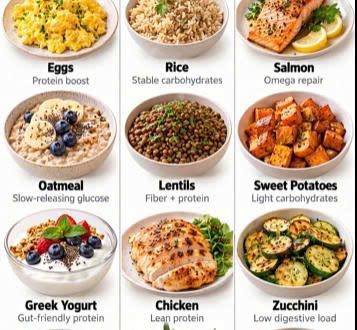
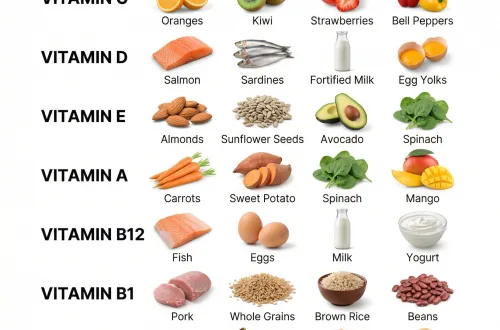
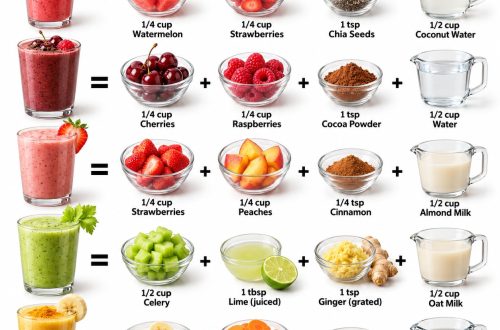
In today’s fast-paced world, staying on top of your health can feel like a challenge. Yet, the secret to feeling great, boosting your energy, and achieving your fitness goals often comes down to one fundamental principle: balanced eating and strategic meal planning. It’s not just about eating ‘less’ or ‘more,’ but about eating ‘better’ and ‘smarter.’
This article is for informational purposes only and does not constitute medical advice. Always consult with a healthcare professional before making any significant changes to your diet or fitness routine.
The Power of a Healthy Diet Chart
Imagine waking up each day knowing exactly what nourishing foods you’ll be fueling your body with. That’s the power of a healthy diet chart! Organizing your meals with a clear plan can simplify your health journey and make reaching your fitness aspirations so much easier.
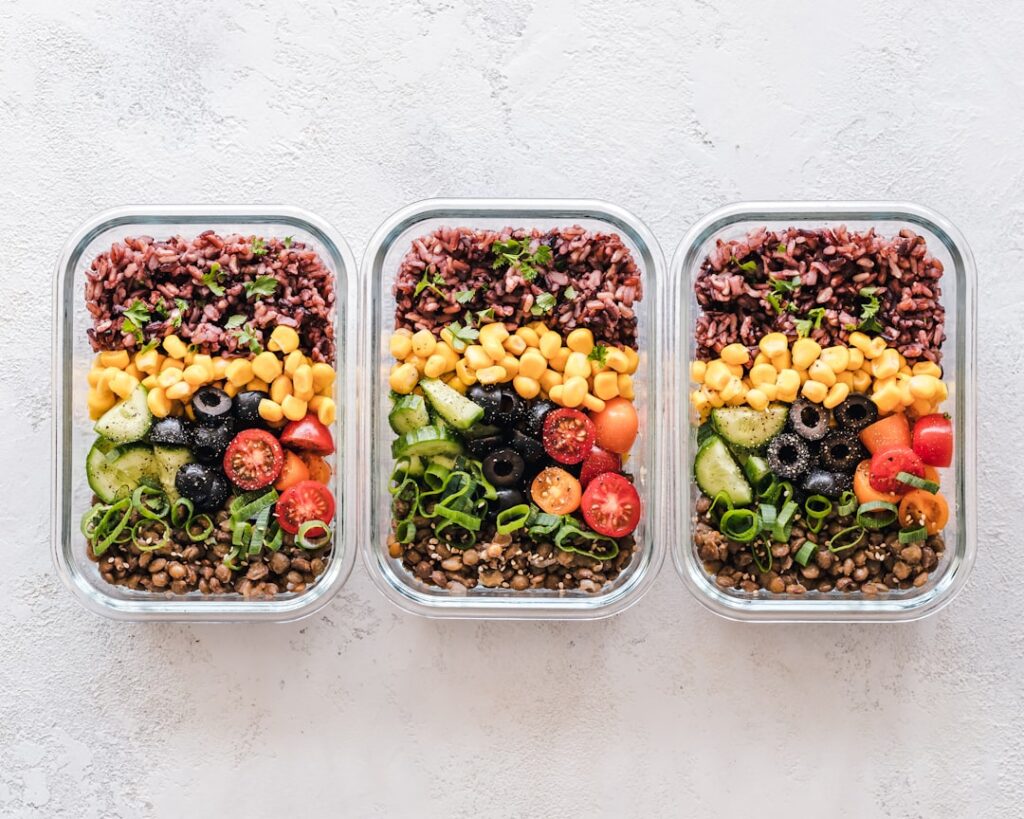 A well-planned healthy diet offers a variety of delicious and nutritious options.
Key Benefits of Structured Eating:
- Enhanced Energy Levels: Consistently providing your body with nutrient-dense foods helps maintain stable blood sugar, preventing energy crashes.
- Effective Weight Management: A structured approach can help you make mindful food choices, manage portion sizes, and reduce reliance on unhealthy processed foods.
- Improved Mood and Cognitive Function: Research suggests that a diet rich in whole foods, healthy fats, and antioxidants is associated with better brain health and mood stability.
- Achieving Fitness Goals: Whether you’re aiming to build muscle, increase endurance, or improve overall athletic performance, proper nutrition is the foundation of recovery and progress.
Principles of Clean Eating for a Healthier You
Clean eating isn’t a restrictive diet; it’s a lifestyle focused on consuming whole, unprocessed, or minimally processed foods. It’s about choosing ingredients that are as close to their natural state as possible.
What Defines Clean Eating?
- Focus on Whole Foods: Prioritize fruits, vegetables, whole grains, lean proteins, and healthy fats.
- Limit Processed Foods: Reduce intake of foods high in added sugars, unhealthy fats, artificial ingredients, and excessive sodium.
- Balance Macronutrients: Ensure your meals contain a good balance of carbohydrates (for energy), proteins (for muscle repair and satiety), and healthy fats (for hormone production and nutrient absorption).
- Stay Hydrated: Drinking plenty of water throughout the day is crucial for all bodily functions.
- Practice Mindful Eating: Pay attention to your body’s hunger and fullness cues, and savor your meals.
Crafting Your Personalized Healthy Diet Chart
Ready to create a diet chart that works for you? Here’s a practical guide:
Step 1: Assess Your Needs and Goals
Consider your activity level, age, gender, and specific fitness goals (e.g., weight loss, muscle gain, maintenance). This will help you determine appropriate calorie intake and macronutrient ratios. Consulting a registered dietitian or nutritionist may help provide personalized guidance.
Step 2: Plan Your Meals Strategically
Think about your entire day: breakfast, lunch, dinner, and snacks. Planning ahead prevents last-minute unhealthy choices.
Step 3: Select Nutrient-Dense Ingredients
- Lean Proteins: Chicken breast, turkey, fish, eggs, tofu, lentils, beans. These are essential for muscle repair and satiety.
- Whole Grains: Oats, brown rice, quinoa, whole-wheat bread. These provide sustained energy and fiber.
- Fruits and Vegetables: A wide variety of colorful options for vitamins, minerals, and antioxidants. Aim for a rainbow on your plate!
- Healthy Fats: Avocados, nuts, seeds, olive oil. Important for brain health and overall well-being.
Step 4: Embrace Meal Preparation (Meal Prep)
Dedicating a few hours once or twice a week to prepare your meals can be a game-changer. Cook larger batches of grains, chop vegetables, and portion out proteins for easy assembly during the week.
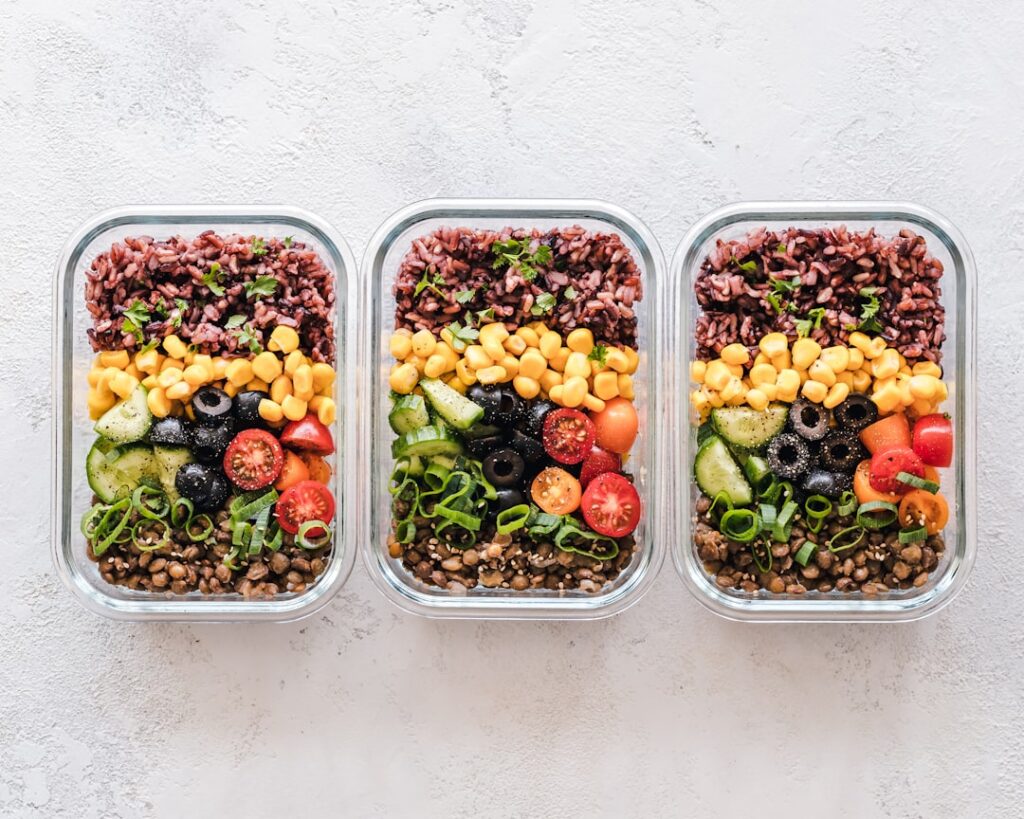 Meal prepping saves time and ensures healthy meals are always within reach.
Example Meal Ideas:
- Breakfast: Energizing Smoothies. Blend spinach, banana, protein powder, chia seeds, and unsweetened almond milk for a nutrient-packed start.
- Lunch: Balanced Bowls. Combine quinoa or brown rice with roasted vegetables (broccoli, bell peppers), grilled chicken or chickpeas, and a light vinaigrette.
- Dinner: Lean & Nourishing. Baked salmon with steamed asparagus and a sweet potato.
- Snacks: Smart Choices. Greek yogurt with berries, a handful of almonds, or apple slices with peanut butter.
Making Healthy Eating a Sustainable Lifestyle
Consistency is key, but so is flexibility. Don’t aim for perfection; aim for progress. Allow for occasional treats in moderation to avoid feeling deprived, which can lead to overeating.
Listen to your body’s signals. Adjust your diet chart based on how you feel, your energy levels, and your fitness performance. Remember, healthy eating is a journey, not a destination.
By adopting a balanced eating approach and incorporating smart meal planning, you can fuel your fitness goals, enhance your well-being, and enjoy a vibrant, energetic life!