Unlock Your Protein Potential: A Comprehensive Guide to Fueling Your Body
Ready to power up your plate and unlock your body’s full potential? Protein is a fundamental macronutrient, essential for countless bodily functions, from building strong muscles and boosting energy levels to helping you feel satisfied after meals and supporting your overall wellness goals. At Wellness Daily, we believe in providing you with the knowledge to make informed choices for your health.
Why Protein is Your Body’s Best Friend
Protein isn’t just for bodybuilders; it’s a vital component of every cell in your body. Think of it as the ultimate building block. Here’s a closer look at its crucial roles:
- Muscle Growth and Repair: Protein is essential for repairing and building muscle tissue, especially important after physical activity.
- Enzyme and Hormone Production: Many enzymes and hormones, which regulate nearly all bodily processes, are made of protein.
- Satiety and Weight Management: Protein can help you feel fuller for longer, potentially reducing overall calorie intake and supporting healthy weight management.
- Energy Source: While carbohydrates and fats are primary energy sources, protein can also provide energy when needed.
- Immune Function: Antibodies, key players in your immune system, are proteins that help fight off infections.
- Hair, Skin, and Nails: These tissues rely heavily on protein for their structure and health.
Diverse Protein Sources: Fueling Your Plate
The good news is that protein is widely available in a diverse range of foods. Whether you prefer animal-based or plant-forward options, there’s a delicious way to meet your needs.
Animal-Based Protein Sources
These options typically contain all nine essential amino acids, making them ‘complete’ proteins.
- Lean Meats: Chicken breast, turkey, lean cuts of beef, and pork are excellent sources of high-quality protein.
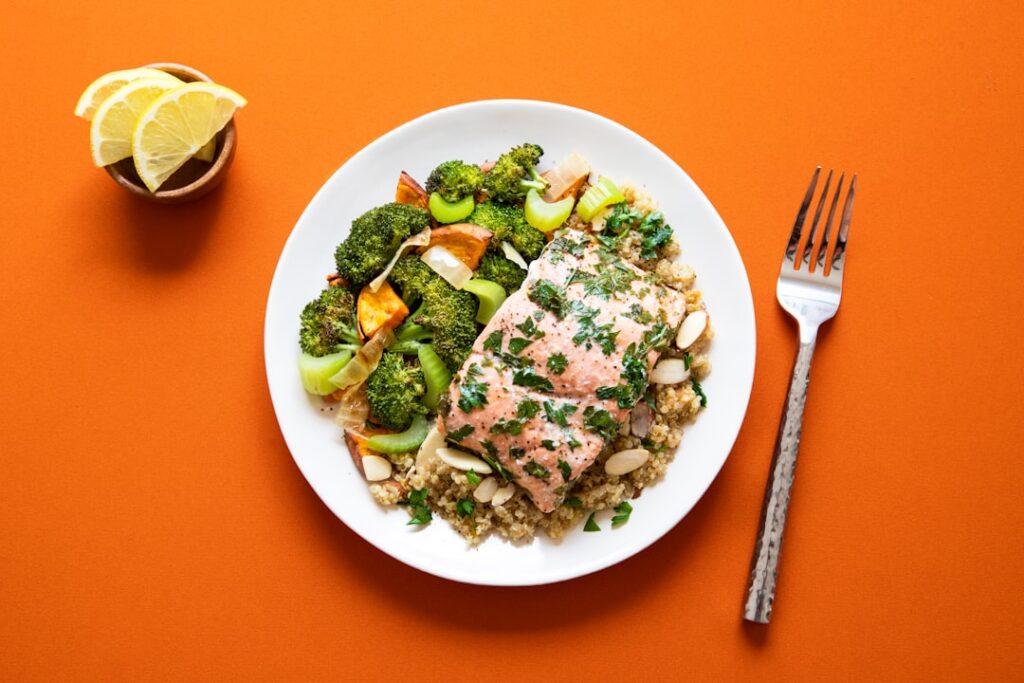
- Fish and Seafood: Salmon, tuna, cod, shrimp, and other seafood provide protein along with beneficial omega-3 fatty acids.
- Eggs: Often called nature’s multivitamin, eggs are a versatile and affordable source of complete protein.
- Dairy Products: Greek yogurt, cottage cheese, milk, and cheese offer protein, calcium, and often probiotics.
Plant-Forward Protein Powerhouses
Many plant foods are rich in protein and offer additional benefits like fiber and various micronutrients. Combining different plant proteins throughout the day can ensure you get all essential amino acids.
- Legumes: Lentils, chickpeas, black beans, kidney beans, and pinto beans are fantastic sources of protein and fiber.
- Nuts and Seeds: Almonds, walnuts, peanuts, chia seeds, flax seeds, and pumpkin seeds pack a protein punch, healthy fats, and fiber.
- Whole Grains: Quinoa stands out as a complete protein, while oats, brown rice, and whole wheat bread also contribute significant protein.
- Soy Products: Tofu, tempeh, and edamame are versatile, complete protein sources derived from soybeans.
- Certain Vegetables: While not as high as other sources, vegetables like spinach, broccoli, and Brussels sprouts contribute to your daily protein intake.
How Much Protein Do You Need?
The amount of protein an individual needs can vary based on age, activity level, health goals, and overall health status. A general recommendation for adults is around 0.8 grams of protein per kilogram of body weight per day. However, athletes or those looking to build muscle may benefit from higher intakes, typically ranging from 1.2 to 2.0 grams per kilogram of body weight. It’s always best to consult with a healthcare professional or a registered dietitian to determine your specific protein needs.
Simple Ways to Boost Your Protein Intake
Incorporating more protein into your diet can be easier than you think:
- Start your day with protein: Include eggs, Greek yogurt, or a protein smoothie in your breakfast.
- Snack smart: Opt for nuts, seeds, cottage cheese, or a hard-boiled egg instead of highly processed snacks.
- Add legumes to meals: Toss chickpeas into salads, add lentils to soups, or make a bean chili.
- Choose lean protein sources for meals: Focus on chicken, fish, tofu, or tempeh as the centerpiece of your lunch and dinner.
- Consider protein powders: If you struggle to meet your needs through whole foods, a protein supplement may be an option, but always prioritize whole food sources first.
Embrace Your Protein Potential
Understanding the importance of protein and knowing where to find it empowers you to make informed dietary choices that support your health and wellness. By incorporating a variety of protein-rich foods into your diet, you can fuel your body effectively, support muscle health, maintain energy levels, and contribute to overall well-being. Share your top protein pick with us – what’s your go-to protein source that keeps you feeling your best?
Disclaimer: This article is for informational purposes only and does not constitute medical advice. Always consult with a qualified healthcare professional before making any significant changes to your diet or health regimen.