Meta description: Wondering how many calories are in oats? This quick guide compares rolled, steel-cut, and instant oats so you can plan healthy, satisfying meals.
Oats are one of the most popular breakfast staples in American kitchens, and for good reason. They are affordable, filling, and easy to flavor. Still, many people are not sure how many calories they are eating in a bowl. This guide breaks down the numbers so you can make choices that fit your goals.
Why Oat Calories Matter
Oats provide energy, fiber, and plant-based protein. Because they are so versatile, it is easy to add extra calories through toppings like nut butter, brown sugar, or dried fruit. Knowing the base calories helps you build a balanced bowl without guessing.
Oat Calorie Chart
The values below are approximate and can vary by brand. Use them as a helpful starting point.
| Oat Type | Typical Serving | Approx. Calories | Protein | Fiber |
|---|---|---|---|---|
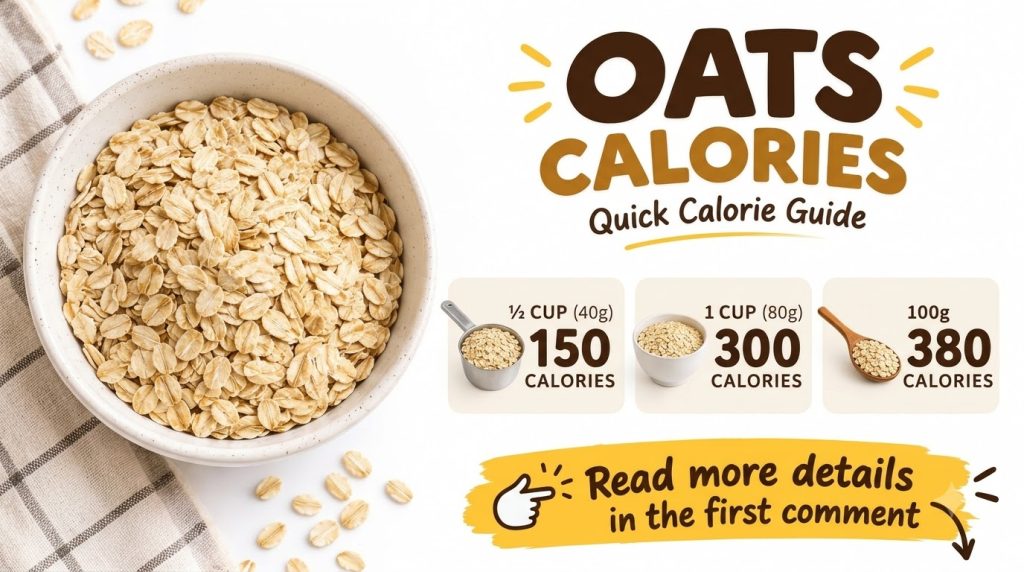
| Rolled oats | 1/2 cup dry (40g) | about 150 | about 5g | about 4g |
| Rolled oats | 1 cup dry (80g) | about 300 | about 10g | about 8g |
| Steel-cut oats | 1/4 cup dry (40g) | about 150 | about 5g | about 4g |
| Instant oats (plain) | 1 packet (about 40g) | about 150 | about 5g | about 4g |
| Any plain oats | 100g dry | about 370 to 390 | about 13g | about 10g |
Rolled, Steel-Cut, or Instant: Which Is Best?
All three types start as the same whole grain, so their basic nutrition is quite similar. The main difference is texture and cooking time.
- Rolled oats: Flat and quick to cook. Great for overnight oats and baking.
- Steel-cut oats: Chewy and hearty. They take longer to cook but feel very satisfying.
- Instant oats: Fastest option. Check labels, because flavored packets often add sugar and extra calories.
Simple Ways to Keep Oats Balanced
- Measure your dry oats before cooking to avoid overpouring.
- Add protein such as Greek yogurt, eggs on the side, or a spoonful of peanut butter.
- Top with fruit like berries, sliced banana, or apple for natural sweetness.
- Sprinkle chia or ground flaxseed for extra fiber and healthy fats.
- Choose plain oats and sweeten them yourself to control the sugar.
Who Might Benefit from Oats
Oats can fit well into many eating patterns. People looking for a filling breakfast, those who want more fiber, and families who need quick meals often find them helpful. Research links whole grains like oats with heart health and steady digestion, although results depend on the overall diet.
Practical Tips
- Batch-cook steel-cut oats on the weekend and reheat portions during the week.
- Prepare overnight oats in jars for grab-and-go breakfasts.
- Use a kitchen scale for the most accurate calorie tracking.
- Read labels on instant packets to compare sugar and sodium.
Frequently Asked Questions
Are oats good for weight management?
Oats can support weight management because their fiber helps you feel full longer. Portion size and toppings still matter.
How many calories are in a cup of cooked oatmeal?
A cup of cooked oatmeal usually contains about 150 to 170 calories, depending on how much water or milk you use.
Do steel-cut oats have fewer calories than rolled oats?
No. Dry steel-cut and rolled oats have similar calorie counts for the same weight.
Are instant oats less healthy?
Plain instant oats are still a whole grain. The main concern is added sugar in flavored packets.
Can I eat oats every day?
Many people enjoy oats daily as part of a varied diet. If you have a health condition or food allergy, ask your healthcare provider.
Are gluten-free oats available?
Yes. Look for certified gluten-free labels if you need to avoid gluten because oats are often processed near wheat.
Conclusion
Oats are a flexible, affordable way to start your day. Knowing that a 1/2 cup of dry oats has about 150 calories makes portioning easier. Explore more healthy breakfast ideas and nutrition guides on our site to keep your meals interesting.
This content is for educational purposes only and should not be considered medical advice. Consult a qualified healthcare professional for personalized dietary recommendations.