Flaxseeds are small, but they pack a lot of nutrition. They are one of the most popular plant sources of omega-3 fats, fiber, and lignans. Many people have heard that soaking them first makes them even better for you. Let’s look at what soaking actually does, what it may help with, and how to add flaxseeds to your day.
Why Flaxseeds Are Worth Including
Flaxseeds offer a nice mix of nutrients in a very small serving. A typical serving is about one tablespoon of ground flaxseed. Here is what they bring to the table:
- Omega-3 fats (alpha-linolenic acid), which are part of a heart-healthy eating pattern.
- Soluble and insoluble fiber, which supports regular digestion.
- Lignans, plant compounds that are being studied for their antioxidant properties.
- Plant protein and minerals such as magnesium and manganese.
Flaxseeds can fit into many diets, including vegetarian and plant-based eating patterns.
What Soaking Flaxseeds Really Does
When you soak flaxseeds in water, the outer layer absorbs liquid and swells. This creates a gel-like substance called mucilage. Mucilage is a form of soluble fiber, and it is the reason soaked flaxseeds feel slippery and thick.
Soaking may also soften the seed coat. Some people believe this makes omega-3s easier to absorb. The research on this point is still limited, so it is best to see soaking as a helpful step rather than a guaranteed fix.
The Gel Can Support Digestion
Soluble fiber attracts water and forms a gentle bulk in the gut. Many people find this helps them feel fuller after meals and keeps things moving. Research suggests that fiber-rich foods are associated with healthy digestion over time.
Whole vs. Ground Flaxseeds
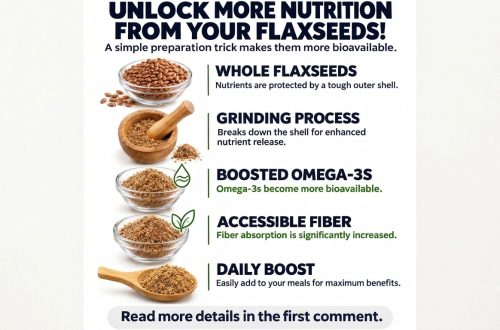
Whole flaxseeds have a hard outer shell. Some pass through the body without being fully broken down. Ground flaxseed is generally easier for the body to use. Soaking whole seeds is a good middle ground, especially if you do not have a grinder. Ground flaxseed should be stored in the fridge or freezer because its oils can go rancid quickly.
| Form | Easy to Use | Best For | Storage Tip |
|---|---|---|---|
| Whole, soaked | Yes, with a few minutes of soaking | Overnight oats, puddings | Refrigerate soaked seeds for up to 2 days |
| Ground | Yes, ready to stir in | Smoothies, baking, yogurt | Keep sealed in the fridge or freezer |
| Whole, dry | Less so | Sprinkling on salads | Keeps well in a cool, dark pantry |
How to Soak Flaxseeds the Easy Way
- Measure 1 to 2 tablespoons of whole flaxseeds.
- Add them to a small jar or bowl with about 1/2 cup of water per tablespoon of seeds.
- Stir well and let them sit for at least 15 minutes, or cover and leave them overnight.
- Stir again before eating. The mixture should look thick and gel-like.
- Add the soaked seeds to oatmeal, yogurt, or a smoothie.
Easy Ways to Enjoy Flaxseeds
- Stir soaked flaxseeds into overnight oats with berries and chia seeds.
- Mix ground flaxseed into a smoothie with banana and spinach.
- Sprinkle ground flaxseed over yogurt, cottage cheese, or fruit.
- Add a spoonful of ground flaxseed to muffin or pancake batter.
- Use soaked flaxseed as a binder in veggie burgers or meatballs in place of an egg.
Potential Risks and Who Should Be Careful
Flaxseeds are safe for most adults in moderate amounts. However, a sudden jump in fiber can cause bloating or gas. Start with one teaspoon a day and build up slowly. Drink plenty of water throughout the day.
Flaxseeds may not be a good fit for everyone. People who are pregnant, those with a history of bowel blockage, or anyone taking blood-thinning medication should speak with a healthcare professional before adding more flaxseed to their diet.
Practical Tips for Getting the Most from Flaxseeds
- Buy whole seeds and grind small amounts as needed for the freshest flavor.
- Store ground flaxseed in the refrigerator and use it within a few weeks.
- Pair flaxseeds with fruit, vegetables, and whole grains for a balanced meal.
- Drink extra water on days you eat more fiber.
- Keep soaked flaxseed in a sealed container and use it within two days.
Frequently Asked Questions
Do I have to soak flaxseeds before eating them?
No, soaking is optional. Ground flaxseed is easy to use without soaking. Soaking whole seeds is a helpful way to make them easier to digest and to add gel-like texture to recipes.
How long should I soak flaxseeds?
Fifteen minutes works for a quick gel. Overnight soaking gives a thicker texture and is convenient for breakfast prep.
Can I eat flaxseeds every day?
Many people enjoy one to two tablespoons a day as part of a balanced diet. If you are new to fiber, start small and increase slowly.
Is it better to buy whole or ground flaxseeds?
Ground flaxseed is easier for the body to use. Whole seeds stay fresher longer and can be ground at home as needed.
Do flaxseeds help with weight management?
Fiber can help you feel full, which may support healthy eating habits. Flaxseeds are one helpful part of a balanced diet, but they are not a weight-loss solution on their own.
Can flaxseeds replace fish for omega-3s?
Flaxseeds provide plant-based omega-3s, but the body converts them less efficiently than the omega-3s found in fish. Many people still include both in their diet.
Can I use soaked flaxseed in baking?
Yes. Soaked flaxseed can replace eggs in many muffin, pancake, and cookie recipes. Use about one tablespoon of ground flaxseed mixed with three tablespoons of water for each egg.
Conclusion
Soaking flaxseeds is a simple habit that may make them easier to enjoy and digest. The gel they form adds soluble fiber to your meals, and that fiber can support digestive health. Start with a small amount, pair flaxseeds with other whole foods, and build the habit at your own pace. Explore more of our healthy food guides to find new ideas for your kitchen.
This content is for educational purposes only and should not be considered medical advice. Consult a qualified healthcare professional for personalized dietary recommendations.