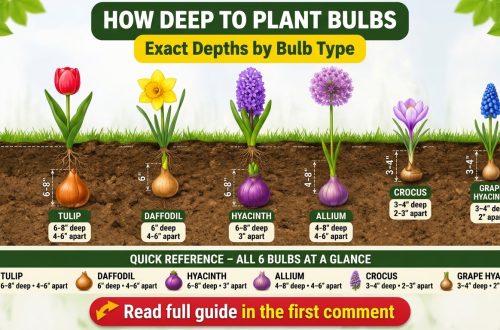
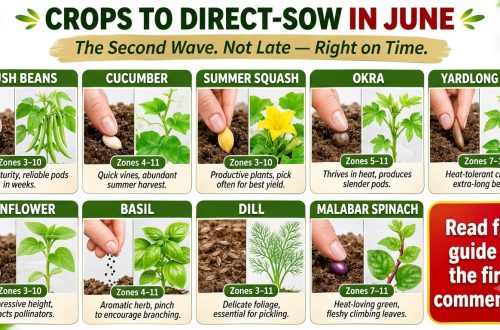
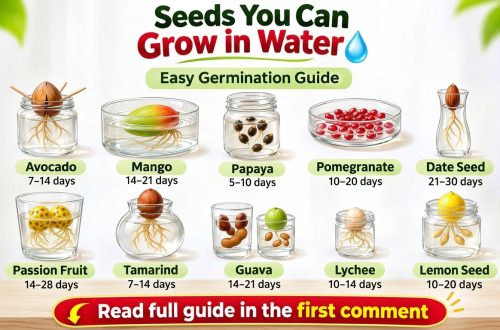
Short on yard space but dreaming of fresh homegrown vegetables? Hanging baskets can turn a balcony, porch, or sunny wall into a productive little garden. With the right plant choices and a few simple care habits, you can harvest salad greens, herbs, and even juicy tomatoes without digging a single bed.
Why Hanging Baskets Work for Vegetables
Container gardening is one of the most accessible ways to grow food. Hanging baskets lift plants off the ground, which keeps them away from some common soil-dwelling pests and makes harvesting easier on the back. They also let you use vertical space, so a small patio can hold far more plants than you might expect.
Hanging baskets are especially useful if you have limited ground space, poor garden soil, or a rental that does not allow planting beds. You can move them to chase the best sunlight, and you can bring them under cover when frost threatens.
Choosing the Right Vegetables for Baskets
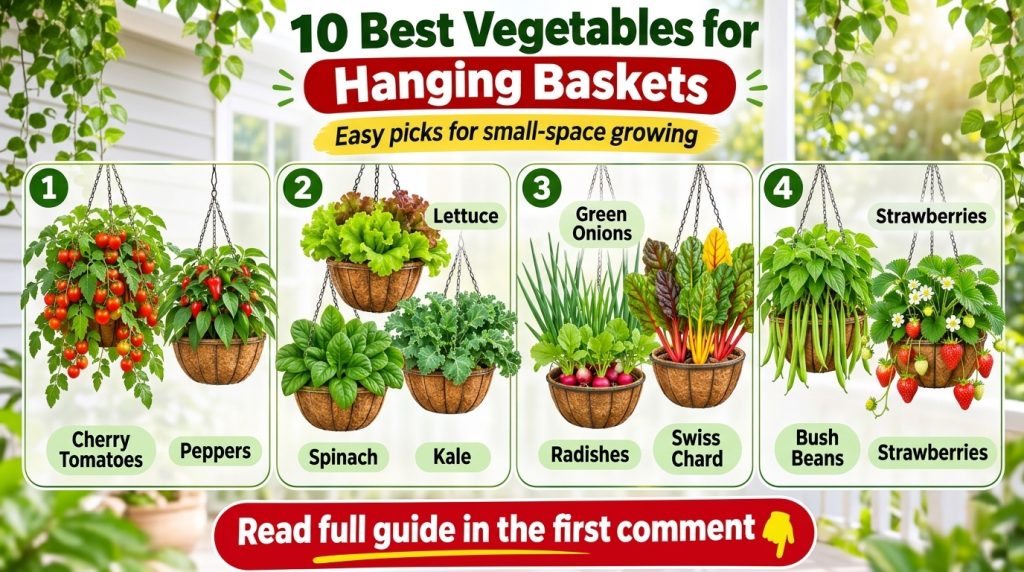
Not every vegetable suits a hanging container. The best candidates are compact, shallow-rooted, or trailing plants. Consider these favorites:
- Cherry tomatoes: Choose determinate or compact varieties and provide support as they grow.
- Lettuce and spinach: Shallow roots and quick harvests make these ideal for baskets.
- Kale and Swiss chard: Compact types produce leaves over a long season.
- Radishes: Fast-growing and easy for beginners, they are ready in a few weeks.
- Green onions: Small, tidy, and useful in everyday cooking.
- Bush beans: Bush varieties stay compact and need no tall trellis.
- Strawberries: Trailing types are a natural fit for hanging containers.
Peppers can also thrive in larger baskets, especially smaller hot or sweet varieties that stay compact.
Setting Up Your Baskets
Success starts with the container and the soil. Choose a basket with good drainage holes and at least 10 to 12 inches of depth for most vegetables. Hanging baskets dry out faster than ground beds, so plan for regular watering.
Use a high-quality potting mix rather than garden soil. Garden soil compacts in containers and can limit drainage and root growth. Mixing in a little compost adds nutrients that support steady growth.
Light, Water, and Feeding
Most vegetables need at least six hours of direct sunlight per day. Leafy greens tolerate a bit more shade, while tomatoes, peppers, and beans prefer full sun. Hang baskets where they receive strong light and can be reached easily for daily checks.
Water when the top layer of soil feels dry. In hot weather, baskets may need watering every day. Feed plants with a balanced organic fertilizer every few weeks once they start producing, and keep an eye on leaves for signs of stress.
Simple Tips for Healthy Harvests
- Pick leaves regularly to encourage fresh growth.
- Rotate baskets so all sides receive light.
- Check for pests such as aphids and remove them by hand or with a gentle spray of water.
- Harvest radishes and green onions promptly to avoid woody or bitter flavors.
- Plant in succession so you have a steady supply through the season.
Get Started This Season
A few hanging baskets can deliver fresh salads, snacks, and cooking ingredients right outside your door. Start with easy crops like lettuce, radishes, and cherry tomatoes, then expand as you learn what thrives in your space. Your small garden can grow into a rewarding source of fresh, healthy food.