Magnesium is one of those quiet nutrients that works behind the scenes. It takes part in hundreds of processes in the body, including muscle function, nerve signals, and energy production. The good news is that many everyday foods contain it, so you can add more to your meals without much effort.
Why Magnesium Matters
Magnesium helps your muscles relax and contract, supports healthy nerve function, and plays a role in how your body makes energy from food. Most adults need roughly 310 to 420 milligrams a day, depending on age and sex.
Research suggests that a diet rich in whole foods, including magnesium-rich plant foods, is associated with overall better nutrition. Getting magnesium from food is usually the best starting point.
Foods Rich in Magnesium
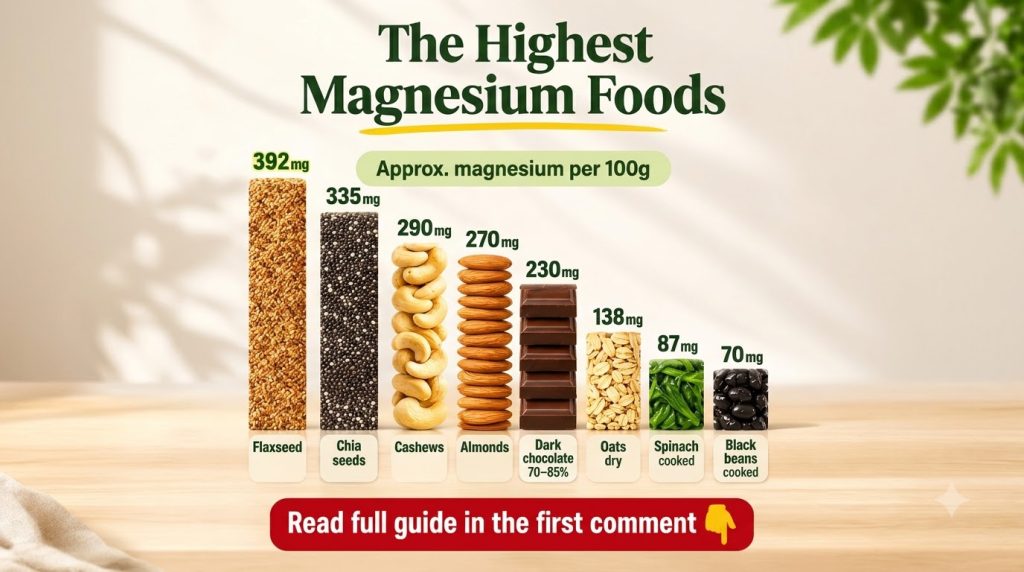
Nuts, seeds, leafy greens, and beans are some of the most useful sources. The amounts below are approximate and can vary by brand and preparation.
| Food | Typical Serving | Approx. Magnesium | Easy Way to Enjoy |
|---|---|---|---|
| Chia seeds | 1 oz (28 g) | About 95 mg | Stir into oatmeal or yogurt |
| Flaxseed (ground) | 1 tablespoon | About 39 mg | Sprinkle over salads or smoothies |
| Almonds | 1 oz (about 23 nuts) | About 76 mg | Eat as a snack or add to trail mix |
| Cashews | 1 oz | About 82 mg | Blend into sauces or toss into stir-fries |
| Dark chocolate (70% cacao or higher) | 1 oz | About 64 mg | Enjoy a small square after dinner |
| Oats (dry) | 1/2 cup | About 55 mg | Make overnight oats or warm porridge |
| Spinach (cooked) | 1/2 cup | About 78 mg | Wilt into pasta, eggs, or soup |
| Black beans (cooked) | 1/2 cup | About 60 mg | Add to tacos, bowls, or soups |
Easy Ways to Add More Magnesium to Your Day
You do not need a complicated meal plan to eat more magnesium. Small changes add up over the week.
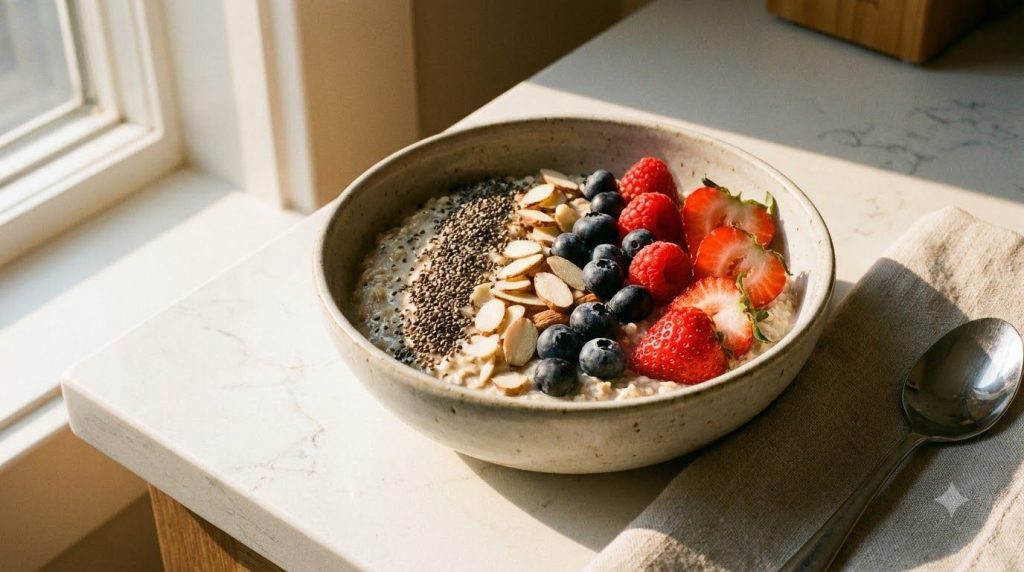
- Start your morning with oats topped with chia seeds and a handful of berries.
- Add a large handful of spinach to smoothies, omelets, or sauces.
- Keep a small bag of unsalted almonds or cashews on hand for snacks.
- Swap half the meat in chili or tacos for black beans.
- Choose dark chocolate with a high cacao percentage for an occasional treat.
Potential Risks and Things to Know
Magnesium from food is generally well tolerated by most healthy adults. Very high intakes from supplements can cause stomach upset or diarrhea. Some people with kidney problems or those taking certain medications need to be more careful, so check with your healthcare provider before starting any new supplement.
Practical Tips
- Aim to include one magnesium-rich food at each meal.
- Pair leafy greens with a healthy fat, such as olive oil, to help you enjoy them more.
- Store nuts and seeds in airtight containers in a cool place to keep them fresh.
- Rinse canned black beans before using to reduce added sodium.
FAQs
Which food has the most magnesium?
Seeds such as pumpkin and chia are among the richest sources per serving. Leafy greens, nuts, and beans also provide useful amounts.
Can I get enough magnesium from food alone?
For many people, a varied diet with nuts, seeds, beans, whole grains, and greens can meet daily needs. Your healthcare provider can help you decide if you need more.
Is dark chocolate a good source of magnesium?
Yes, dark chocolate with a high cacao percentage contains a meaningful amount of magnesium. Keep portions small because it is also calorie-dense.
Does cooking spinach reduce its magnesium?
Some minerals can leak into cooking water, so steaming or lightly sautéing greens is a good way to keep more nutrients.
How much magnesium do adults need each day?
Most adults need about 310 to 420 milligrams daily, depending on age, sex, and life stage. Pregnant or breastfeeding women have different needs.
Are magnesium supplements better than food?
Food is usually the best first choice because it also provides fiber, protein, and other nutrients. Supplements should only be used under professional guidance.
Conclusion
Magnesium is easy to enjoy through everyday foods like spinach, almonds, black beans, and oats. Start with one or two small swaps this week and build from there. If you want more ideas, explore our related guides on high-protein breakfasts, healthy snacks, and gut-friendly foods.
This content is for educational purposes only and should not be considered medical advice. Consult a qualified healthcare professional for personalized dietary recommendations.