Are you ready to make smarter grocery choices? Shopping with a plan can make healthy eating feel much easier. A well-stocked kitchen helps you cook at home, and cooking at home often means eating more whole foods.
This guide walks through four food groups that work well together. Each one adds something useful to your meals, whether you are aiming for steady energy, satisfying meals, or sustainable weight management.
Why a Simple Grocery List Helps
Many people shop without a list and end up with snacks and processed foods they did not plan to buy. A short list built around whole foods keeps your cart focused and your meals balanced.
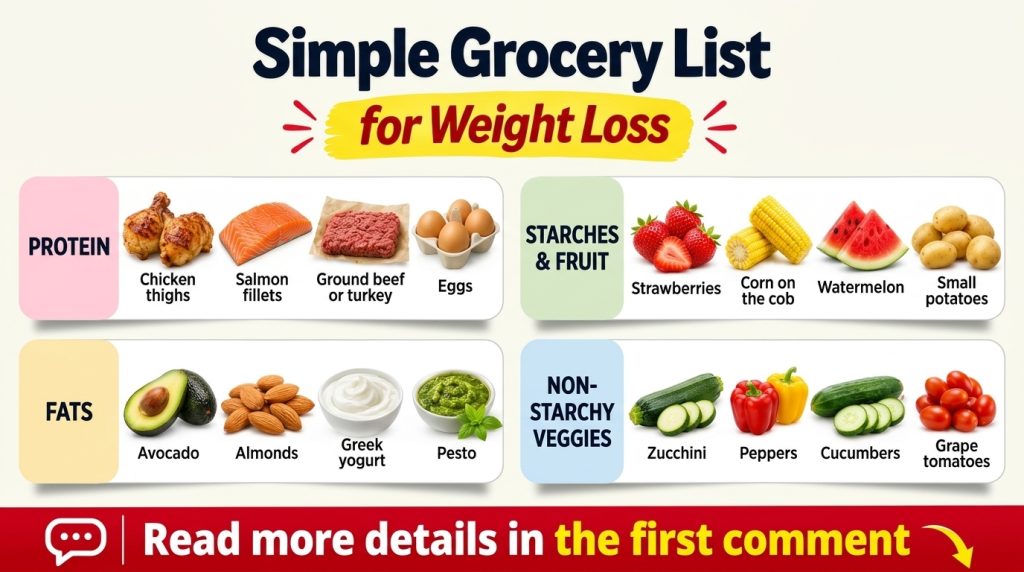
Protein: Keep Meals Filling
Protein helps you feel full longer and supports muscle health. Research suggests that including a protein source at each meal can make eating patterns feel more satisfying.
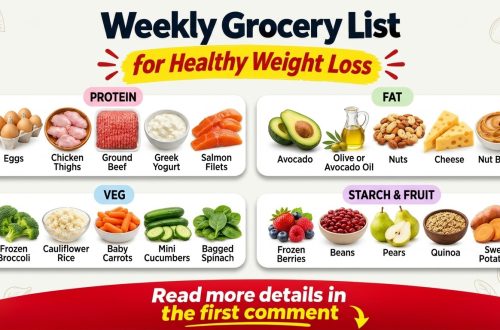
- Chicken thighs or breasts, skinless when possible
- Salmon or other fatty fish
- Eggs and egg whites
- Plain Greek yogurt
- Lentils, beans, and tofu for plant-based options
Starches and Fruit: Fuel With Fiber
Fruits and whole-grain starches bring fiber, vitamins, and natural sweetness. Choosing whole forms over juices or refined snacks helps keep you satisfied.
- Strawberries, blueberries, and other berries
- Watermelon and citrus fruits
- Oats and brown rice
- Sweet potatoes and quinoa
Healthy Fats: Small Amounts Go a Long Way
Fats are calorie dense, so portion size matters. Unsaturated fats from whole foods are commonly associated with heart health when they replace less healthy fats in your diet.
- Avocado
- Almonds, walnuts, and other nuts
- Olive oil
- Chia seeds and ground flaxseed
Non-Starchy Vegetables: Add Volume and Color
Vegetables are low in calories and rich in vitamins, minerals, and fiber. Filling half your plate with them is a simple way to build more balanced meals.
- Zucchini and summer squash
- Grape tomatoes
- Leafy greens like spinach and kale
- Broccoli, bell peppers, and cucumbers
Practical Tips for Your Next Grocery Trip
- Plan three or four dinners before you shop, then build your list around them.
- Shop the perimeter of the store first, where fresh produce, meats, and dairy are usually found.
- Buy frozen fruits and vegetables when fresh options are expensive or out of season.
- Prep vegetables and proteins in batches so healthy meals are ready on busy nights.
- Read labels and choose items with short ingredient lists.
Sample Balanced Plate
| Plate Section | Examples | Main Benefit |
|---|---|---|
| Half the plate | Zucchini, spinach, grape tomatoes | Fiber and vitamins with few calories |
| Quarter of the plate | Salmon, chicken, lentils | Protein to support fullness |
| Quarter of the plate | Brown rice, sweet potato, berries | Steady energy from fiber-rich carbs |
| Small add-on | Avocado, almonds, olive oil | Healthy fats in modest portions |
Frequently Asked Questions
Do I need to buy every item on the list?
No. Pick a few options from each group that you enjoy and can afford. Variety over time is more useful than buying everything at once.
Are frozen fruits and vegetables healthy?
Yes. Frozen produce is often picked at peak ripeness and frozen soon after, so it keeps many of its nutrients.
How much protein should I eat at each meal?
Needs vary by age, body size, and activity level. A palm-sized portion at each meal is a common starting point, but a professional can help you find the right amount.
Is fruit okay if I am watching my weight?
Whole fruit is generally a healthy choice. Its fiber and water content make it filling, so enjoy it as part of a balanced eating pattern.
What if healthy foods cost too much?
Focus on budget options such as eggs, beans, lentils, frozen vegetables, oats, and seasonal produce. These foods are affordable and nutritious.
Can I follow this list if I eat plant-based?
Yes. Tofu, lentils, beans, nuts, seeds, and plenty of vegetables and fruit fit well into a plant-based pattern.
Conclusion
A simple grocery list built around protein, fruit and whole starches, healthy fats, and vegetables can make everyday eating easier. Start small, try one new item each week, and enjoy exploring more healthy food ideas on our site.
This content is for educational purposes only and should not be considered medical advice. Consult a qualified healthcare professional for personalized dietary recommendations.