Cheesy potato buns are soft, golden, and pillowy, with a mild potato flavor and melted cheese in every bite. This version uses a blender to create a smooth potato base, which keeps the dough moist and makes the mixing step quick. They work well with soup, salad, or a simple dinner, and they are especially good warm from the oven.
Why You’ll Love These Potato Cheese Buns
- Quick blender method: Blending the potato base creates a smooth, even dough with less hand work.
- Soft texture: Mashed potato helps keep the crumb tender and moist.
- Simple ingredients: Most of the list is pantry staples plus potato and cheese.
- Versatile: Serve them as dinner rolls, snacks, or small sandwich buns.
Ingredients
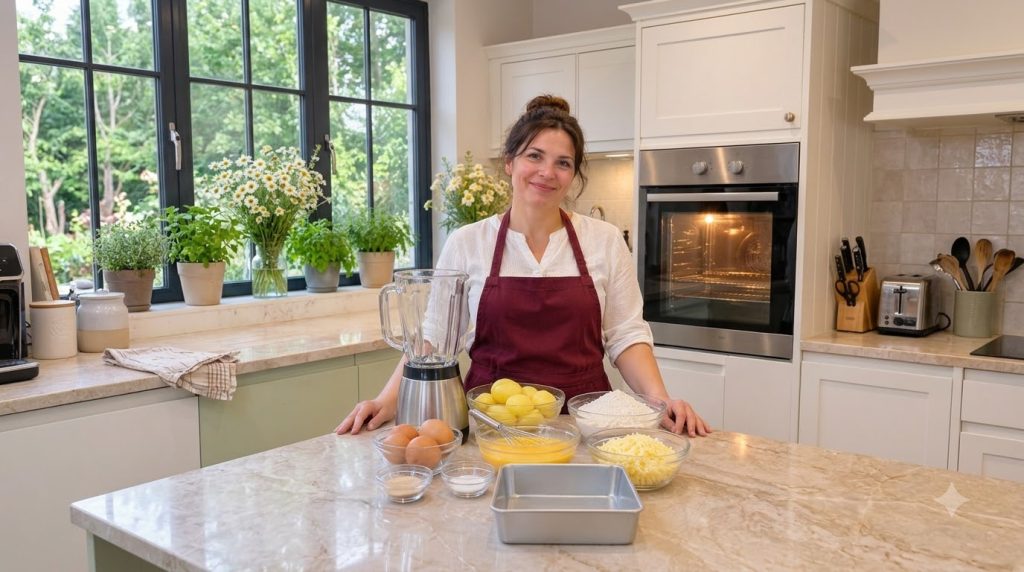
- 1 medium russet potato (about 8 oz / 225 g), peeled, cubed, and cooked until very tender
- 1/2 cup (120 ml) whole milk, warm
- 2 tbsp (28 g) unsalted butter, melted, plus 1 tbsp (14 g) for brushing
- 1 large egg
- 2 tbsp (25 g) granulated sugar
- 2 1/4 tsp (7 g) instant yeast (one packet)
- 2 1/2 cups (300 g) all-purpose flour, plus more as needed
- 1 tsp (6 g) fine salt
- 1 cup (100 g) shredded sharp cheddar cheese
Ingredient Notes
Russet potatoes are starchy and break down easily, which gives the buns a light texture. Whole milk adds softness and richness, while the egg helps the dough hold together. Sharp cheddar adds flavor without making the dough greasy. Instant yeast can be mixed directly into the flour, so you do not need to proof it first.
Equipment You’ll Need
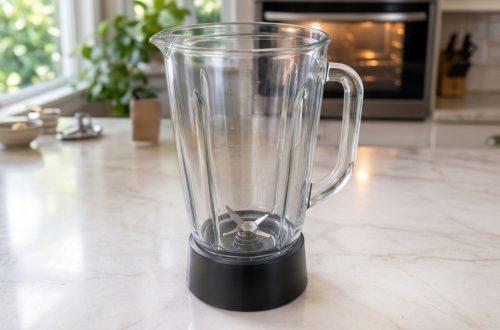
- Countertop or immersion blender
- Large mixing bowl
- Baking sheet lined with parchment paper
- Kitchen scale (optional but helpful)
- Pastry brush
How to Make Easy Fluffy Potato and Cheese Buns
- Cook the potato. Place the cubed potato in a small pot of salted water. Bring to a boil and cook for about 12 to 15 minutes, until a fork slides in with no resistance. Drain well and let it cool slightly.
- Blend the wet base. Add the warm potato, warm milk, egg, melted butter, and sugar to a blender. Blend for 30 to 60 seconds until completely smooth with no lumps. The mixture should look like thick, creamy batter.
- Mix the dough. Pour the blended mixture into a large bowl. Add the flour, yeast, and salt. Stir with a spatula until a shaggy dough forms.
- Knead. Turn the dough onto a lightly floured surface and knead for 5 to 7 minutes. It should feel smooth and slightly tacky but not sticky. Add flour one tablespoon at a time only if it sticks heavily to your hands.
- Add the cheese. Flatten the dough slightly, sprinkle the cheddar over it, then fold and knead for about 1 minute until the cheese is evenly distributed.
- First rise. Place the dough in a lightly greased bowl, cover, and let it rise in a warm spot for about 1 hour, until nearly doubled. Rise times vary with kitchen temperature, so go by size rather than the clock.
- Shape the buns. Punch down the dough and divide it into 8 equal pieces, about 2.5 oz (70 g) each. Roll each piece into a smooth ball by tucking the edges underneath.
- Second rise. Arrange the balls on the lined baking sheet, spaced about 2 inches apart. Cover loosely and let rise for 30 to 45 minutes, until puffy and touching gently.
- Bake. Heat the oven to 375°F (190°C). Brush the tops with a little melted butter and bake for 15 to 18 minutes, until deep golden brown. The buns should sound hollow when tapped on the bottom.
- Cool. Move the buns to a wire rack and let them cool for about 10 minutes before serving.
Pro Tips for the Best Results
- Use a starchy russet potato for the lightest texture. Waxy potatoes can make the dough denser.
- Let the potato cool until it is warm but not hot before blending, so the yeast is not harmed.
- Blend until there are no visible potato chunks, since lumps can leave streaks in the crumb.
- Start with 2 1/2 cups of flour and add more only if needed, because the blended base can vary in moisture.
- Brush the buns with butter right out of the oven for a softer crust and better color.
- Use a kitchen scale for the flour and dough pieces if you can, for more even buns.
Common Mistakes to Avoid
- Dense buns: This often happens when the dough is under-kneaded or the first rise is too short. Let the dough visibly grow before shaping.
- Dry buns: Too much flour makes the dough stiff. Measure carefully or weigh it.
- Greasy cheese pockets: Cheese shredded too coarsely can melt unevenly. Use finely shredded cheese and mix it in well.
- Pale tops: An oven that is too cool or buns placed too low can cause pale bottoms and tops. Check your oven with a thermometer if results vary.
Variations and Substitutions
- Different cheese: Monterey Jack or a mix of mozzarella and Parmesan works well.
- Herb buns: Add 1 teaspoon of dried chives or parsley to the flour.
- Garlic cheese buns: Brush the baked buns with melted butter mixed with 1/2 teaspoon garlic powder.
- Dairy-free option: Use plant-based milk and butter, and skip the cheese or use a dairy-free shredded cheese. The texture will be slightly different.
Serving Suggestions
Serve the buns warm with butter, alongside tomato soup, chili, or a green salad. They also make a good base for small sliders or a snack with a dip such as marinara or ranch.
Storage and Reheating
Store cooled buns in an airtight container or bag at room temperature for up to 2 days. For longer storage, freeze them in a sealed bag for up to 1 month. Reheat room-temperature buns in a 300°F (150°C) oven for 5 to 8 minutes, or microwave them for about 10 seconds to soften. Cover loosely when reheating to keep the tops from drying out.
Frequently Asked Questions
Can I make these buns ahead of time?
Yes. Shape the buns, cover them, and refrigerate for up to 12 hours. Let them sit at room temperature for about 30 minutes before baking, then bake as directed.
Can I use a regular mixer instead of a blender?
Yes. Mash the cooked potato very well, whisk it with the milk, egg, butter, and sugar, and then combine it with the dry ingredients as the recipe describes.
Why did my buns turn out dense?
Dense buns usually come from too much flour, underkneading, or a rise that was too short. Make sure the dough nearly doubles during the first rise.
Can I freeze the dough?
Yes. After the first rise, shape the dough into balls, freeze them on a tray, then transfer to a bag. Thaw overnight in the refrigerator, then let them rise until puffy before baking.
Which potato works best?
Russet potatoes give the softest texture because they are starchy. Yukon Gold potatoes also work, though the buns may be slightly denser.
How do I know when the buns are done?
The buns should be deep golden on top and bottom, and they should feel firm when lightly pressed. An instant-read thermometer inserted into the center should read about 190°F (88°C).