Mastering the Bench Dip: Grow Your Triceps, Protect Your Shoulders
The quest for stronger, more defined triceps often leads us to classic exercises like the bench dip. It’s a convenient and effective bodyweight movement that can be performed almost anywhere, making it a favorite for many. However, like any exercise, proper form is paramount – especially when it comes to safeguarding your joints and maximizing muscle activation.
You might think going ‘deeper’ means a better workout, but when it comes to bench dips, excessive depth can actually undermine your efforts, shifting the workload away from your triceps and onto your shoulders. Let’s dive into how you can perform bench dips the smart way to truly build those triceps while keeping your shoulders happy and healthy.
 Proper bench dip form focuses on controlled movement and optimal triceps engagement.
The Bench Dip Dilemma: Why Depth Matters
The primary goal of a bench dip is to work your triceps – the three-headed muscle on the back of your upper arm responsible for extending your elbow. When performed correctly, bench dips are fantastic for targeting this muscle group. The challenge arises when individuals go too deep.
Understanding Triceps Anatomy and Function
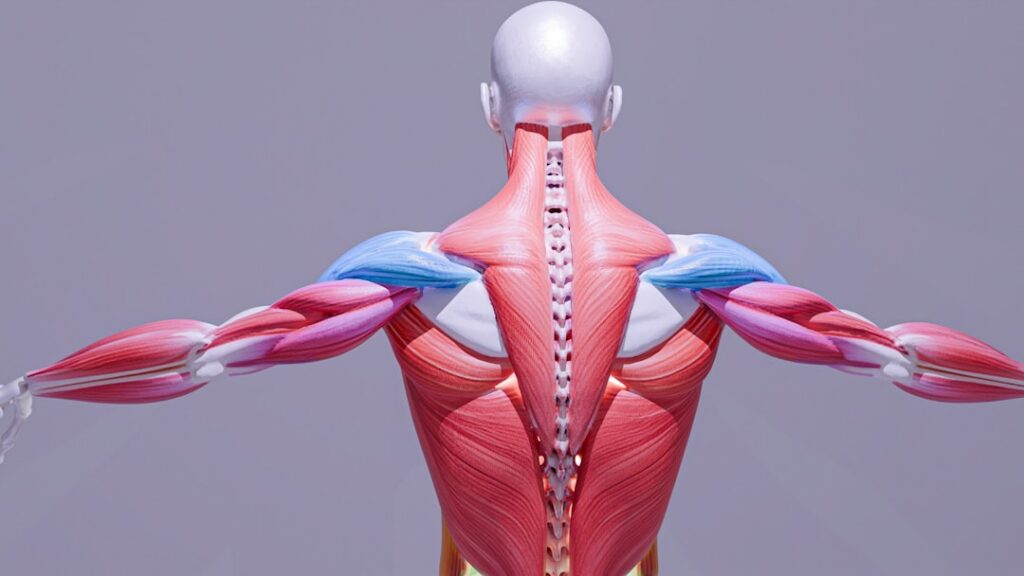
Your triceps brachii muscle originates from your shoulder blade and the humerus (upper arm bone) and inserts into your ulna (one of the forearm bones). Its main action is elbow extension. During a bench dip, your triceps work to push your body back up from the lowered position.
The Mechanics of a Proper Bench Dip
When you descend too far in a bench dip, your shoulders are forced into an extreme internally rotated and extended position. This can put undue stress on the shoulder joint’s ligaments and tendons, increasing the risk of impingement or injury. Moreover, this deep range of motion often reduces the tension on your triceps, as other muscles (like your shoulders and chest) may take over, making the exercise less effective for its intended purpose.
Focus on a safe, controlled range of motion where you feel your triceps engaging strongly, rather than pushing for maximum depth.
Mastering Your Bench Dip for Optimal Triceps Growth
To truly grow your triceps and protect your joints, focus on these key principles:
1. Focus on Range of Motion (ROM)
- Find Your Sweet Spot: Descend only until your upper arms are roughly parallel to the floor, or slightly below. Your elbows should bend to about a 90-degree angle.
- Listen to Your Body: If you feel any pinching or discomfort in your shoulders, reduce your depth immediately. Everyone’s shoulder mobility is different.
- Keep it Controlled: Avoid bouncing at the bottom. The movement should be slow and deliberate, especially on the eccentric (lowering) phase.
2. Building the Mind-Muscle Connection
This is crucial for any effective strength training. Instead of just going through the motions, actively think about squeezing your triceps as you push yourself back up. You should feel the muscles contracting and working. To enhance this:
- Slow Down: Performing the exercise at a slower tempo can help you focus on the target muscle.
- Touch and Feel: Lightly touch your triceps with your free hand (if possible) to feel them engaging.
3. Applying Progressive Overload Safely
Once you’ve mastered the form, the next step for muscle growth is progressive overload – gradually increasing the challenge over time. For bench dips, this can include:
- Increasing Repetitions: If you can do 10 reps with perfect form, aim for 12, then 15.
- Adding Sets: Increase the total number of sets you perform.
- Slowing Down the Tempo: Make the lowering phase (eccentric) last 2-3 seconds, then push up.
- Adding Weight: Once bodyweight is no longer challenging, you can place a weight plate on your lap. Ensure the plate is secure and doesn’t compromise your form.
- Adjusting Leverage: Extend your legs further out or elevate your feet on another bench to increase the difficulty.
Common Bench Dip Mistakes to Avoid (Beyond Depth)
- Elbows Flaring Out: Keep your elbows pointing mostly straight back, not splaying out to the sides. Flared elbows can stress the shoulder joint.
- Hips Too Far from the Bench: Keep your body close to the bench. If your hips are too far out, it puts more strain on your shoulders and takes away from the triceps.
- Shrugging Your Shoulders: Keep your shoulders relaxed and down, away from your ears.
- Relying on Legs Too Much: While your legs can assist, the primary drive should come from your triceps. If you’re using too much leg drive, consider a regression (like bending your knees more) or focus on feeling the triceps work.
Alternative Triceps Exercises
While bench dips are great, consider incorporating other triceps exercises for well-rounded development:
- Close-Grip Push-Ups: Excellent bodyweight option.
- Overhead Triceps Extensions: Can be done with dumbbells or resistance bands.
- Triceps Pushdowns: Common machine exercise at the gym.
- Dumbbell Kickbacks: Great for isolation.
Remember, consistency with proper form and progressive overload is the recipe for success in building strong, healthy triceps. Always prioritize safety and listen to your body.
Disclaimer
The information provided in this article is for educational purposes only and is not intended as a substitute for professional medical advice, diagnosis, or treatment. Always consult with a qualified healthcare professional before starting any new exercise program or making changes to your current routine, especially if you have any pre-existing health conditions or concerns.