Quads vs. Glutes: Mastering Lower Body Strength for Optimal Fitness
Understanding the difference between training your quadriceps (quads) and your gluteal muscles (glutes) is a game-changer for anyone looking to build a stronger, more balanced lower body. It’s not just about lifting weights; it’s about engaging the right muscles to achieve your fitness goals and prevent imbalances. Whether you’re aiming for powerful legs, a sculpted posterior, or improved athletic performance, knowing how to target each muscle group effectively is key.
Many people perform lower body exercises without fully understanding which muscles they’re primarily engaging. While many movements work both quads and glutes to some extent, subtle shifts in form and exercise selection can dramatically alter the focus. Let’s dive into the unique roles of your quads and glutes and how to tailor your workouts for maximum impact.
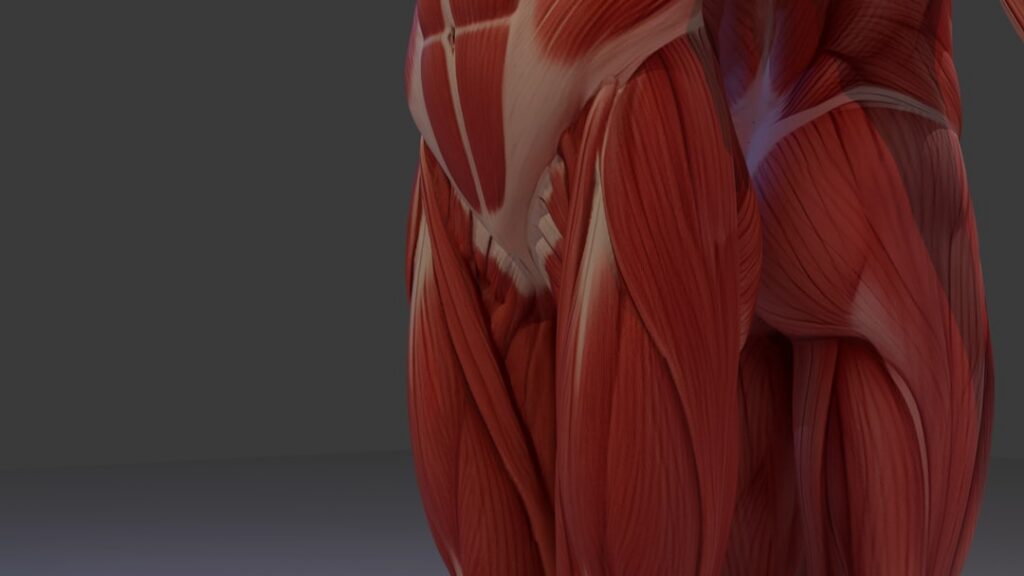 Understanding the anatomy of your quads and glutes is the first step to effective training.
Understanding Your Lower Body Muscles
Your lower body is a complex network of muscles, each playing a crucial role in movement, stability, and strength. For lower body training, the quads and glutes are often the stars of the show.
The Quadriceps (Quads)
The quadriceps femoris group, commonly known as the quads, are located at the front of your thigh. This group consists of four muscles: the rectus femoris, vastus lateralis, vastus medialis, and vastus intermedius. Their primary functions include:
- Knee Extension: Straightening the leg at the knee joint. This is fundamental for walking, running, jumping, and kicking.
- Hip Flexion (Rectus Femoris only): Lifting the thigh towards the torso.
Exercises that heavily engage the quads typically involve significant knee bending with a relatively upright torso. Think about movements where the knees travel forward over the toes.
The Gluteal Muscles (Glutes)
The glutes are a powerful group of three muscles that make up your buttocks: the gluteus maximus, gluteus medius, and gluteus minimus. They are some of the largest and strongest muscles in the human body, vital for posture, movement, and athletic performance. Their main roles include:
- Hip Extension: Moving the leg backward, away from the front of the body (e.g., standing up from a squat, propelling yourself forward while running).
- Hip Abduction: Moving the leg out to the side.
- External Rotation: Rotating the leg outwards.
Glute-focused exercises often emphasize a ‘hip hinge’ movement, where the hips are pushed back while maintaining a relatively straight or slightly bent knee, engaging the posterior chain (glutes and hamstrings).
Quads vs. Glutes: Key Differences in Training
While many lower body exercises engage both muscle groups, understanding the primary driver of the movement helps you emphasize one over the other.
- Knee Dominant vs. Hip Dominant:
- Quads are primarily engaged in knee-dominant movements, where the knee joint undergoes a large range of motion and the shins typically travel forward. Glutes are primarily engaged in hip-dominant movements, where the hip joint undergoes a large range of motion, and the primary action is pushing the hips forward or extending them.
- Torso Position:
- For quad-focused exercises, you generally maintain a more upright torso (e.g., front squats). For glute-focused exercises, you often lean the torso forward to emphasize the hip hinge (e.g., Romanian deadlifts, good mornings).
- Range of Motion:
- Deep knee bends are characteristic of quad exercises. Powerful hip drive and hip extension are characteristic of glute exercises.
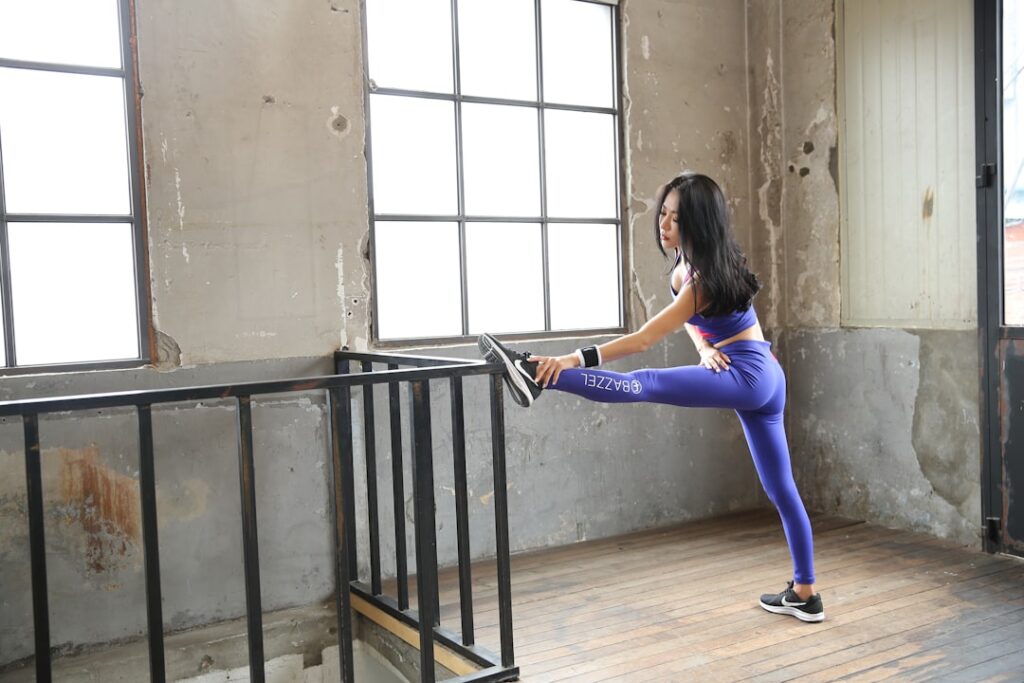 Proper form can make all the difference in targeting your quads or glutes.
Building a Balanced Lower Body Workout
For overall strength, symmetry, and injury prevention, it’s essential to train both your quads and glutes. Neglecting one can lead to muscle imbalances, which may affect posture, movement efficiency, and increase the risk of injury. A well-rounded lower body routine should include a mix of knee-dominant and hip-dominant exercises.
Aim to incorporate exercises from both categories into your weekly routine. For example, if you do squats one day, you might follow up with deadlifts or hip thrusts later in the week. The key is progressive overload – gradually increasing the weight, reps, or sets over time to continually challenge your muscles.
Sample Exercises for Quads
Here are some effective exercises to primarily target your quadriceps:
- Barbell Back Squats: A classic compound movement that heavily loads the quads, especially with a deeper squat and a more upright torso.
- Front Squats: By holding the barbell in front of your shoulders, this variation naturally encourages a more upright posture, placing greater emphasis on the quads.
- Leg Press: A machine-based exercise that allows for high volume and intensity, with a primary focus on the quads.
- Leg Extensions: An isolation exercise that specifically targets the quads through knee extension.
- Walking Lunges: A unilateral exercise that works each leg independently, highly effective for quad development.
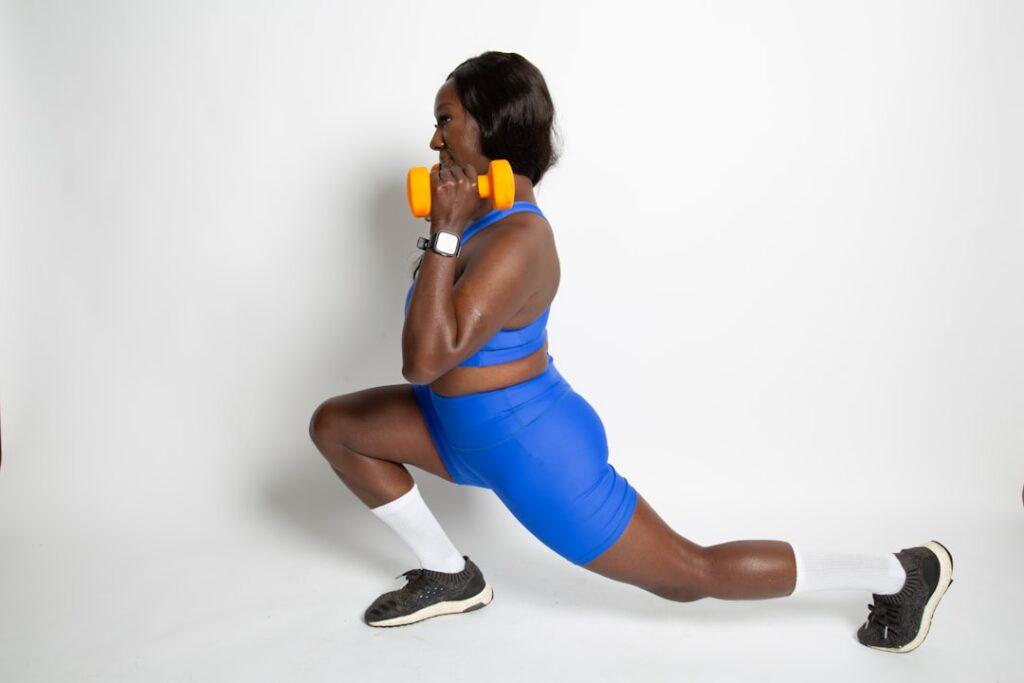 Lunges are excellent for building quad strength and improving balance.
Sample Exercises for Glutes
To effectively engage your glutes, incorporate these hip-dominant exercises:
- Barbell Hip Thrusts: Often considered one of the best exercises for glute activation, focusing on powerful hip extension.
- Romanian Deadlifts (RDLs): This exercise emphasizes the hip hinge, stretching the hamstrings and powerfully engaging the glutes and hamstrings on the way up.
- Glute Bridges: A foundational exercise for glute activation, great for warm-ups or as an isolation exercise.
- Cable Pull-Throughs: Mimics the hip hinge motion with constant tension, excellent for glute engagement.
- Kickbacks (Cable or Machine): Isolation exercises that focus on hip extension and abduction, directly targeting the glutes.
The Takeaway
Whether your goal is strength, aesthetics, or performance, a comprehensive understanding of how to train your quads and glutes will empower your fitness journey. By mindfully selecting exercises and focusing on proper form, you can ensure that you’re effectively targeting the muscles you intend to work, leading to more efficient workouts and better results.
Remember, consistency and proper technique are paramount. Listen to your body, and don’t hesitate to consult with a certified fitness professional to refine your form and personalize your workout plan.
Disclaimer: This article is for informational purposes only and does not constitute medical advice. Always consult with a healthcare professional before starting any new exercise program or making changes to your diet.