If you have seen the viral Vaseline hack making the rounds on social media, you are not alone. Videos promise a homemade ‘collagen gel’ that supposedly makes skin look younger, smoother, and more glowing. Before you reach for the jar and the saucepan, let’s take a calm, practical look at what this trend really offers and how to get the most from your skincare routine safely.
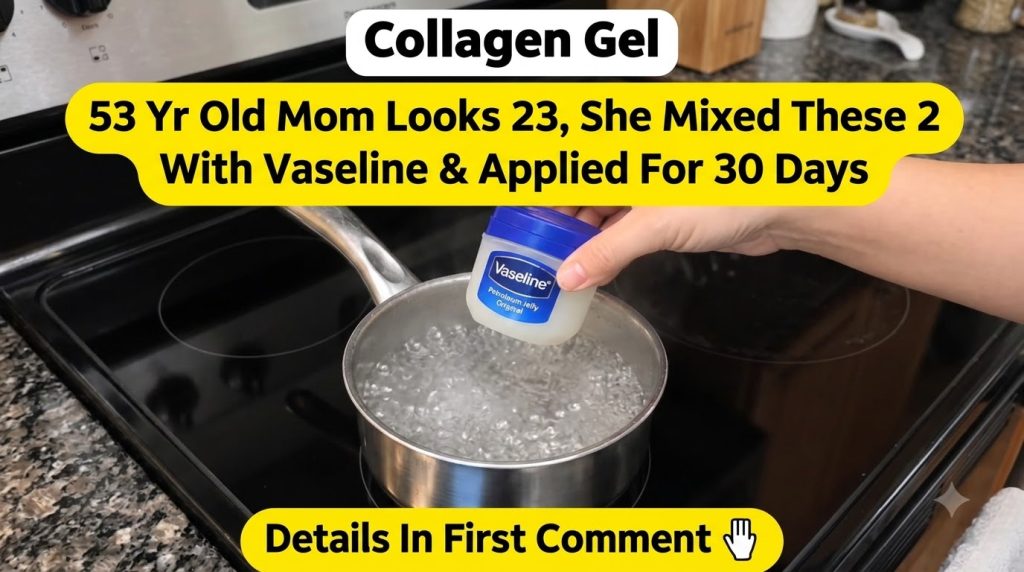
What Is the Viral Vaseline ‘Collagen Gel’ Hack?
The trend usually involves placing a jar of petroleum jelly in or over boiling water to soften or melt it, then applying the warm mixture to the face, sometimes with additions like honey, oils, or vitamin E. Creators often describe it as a way to ‘boost collagen’ or ‘reverse aging’ overnight.
Does Vaseline Create Collagen?
This is the key point to understand. Petroleum jelly does not contain collagen, and heating it does not turn it into a collagen product. Collagen is a protein your body produces, and it is not made by melting a jar of jelly in a pan. The name ‘collagen gel’ is catchy, but it is misleading.
What petroleum jelly actually does is simple and well understood: it is an occlusive. It forms a barrier on the skin that helps reduce water loss, which is why it is so popular for dry patches, chapped lips, and the skin barrier after a long day outdoors.
Why Heating Petroleum Jelly Can Be Risky
Safety matters more than any beauty trend. Petroleum jelly is flammable when heated, and a jar left on a hot stovetop can overheat quickly. Water can also splash or boil over, causing burns. Some people use containers or pans that are not meant for heat, which adds further risk.
- Never heat petroleum jelly over a direct flame or unattended burner.
- Do not microwave it in a closed or metal container.
- Always test the temperature on the inside of your wrist before applying anything to your face.
- Stop immediately if the mixture feels hot, smells burnt, or causes stinging or redness.
What Actually Helps Skin Look Younger and Smoother
Healthy-looking skin comes from consistent habits rather than one dramatic overnight fix. These evidence-based steps are gentle, affordable, and easy to fit into everyday self-care.
- Use daily sunscreen. Sun exposure is one of the biggest contributors to fine lines, uneven tone, and dark spots.
- Moisturize well. A simple, fragrance-free moisturizer locks in hydration. Petroleum jelly can be a useful occlusive on very dry areas at night, applied cold and in a thin layer.
- Choose gentle cleansing. Harsh scrubbing can irritate the skin barrier and make dryness worse.
- Ask a dermatologist about proven ingredients. Retinoids and vitamin C are well studied for wrinkles and uneven tone, though they should be introduced carefully.
- Support overall wellness. Sleep, hydration, a balanced diet, and not smoking all show up in how your skin looks over time.
A Simple, Safer Way to Use Petroleum Jelly
If you enjoy using petroleum jelly, you can keep it simple and avoid heat altogether. Apply a small amount to clean, slightly damp skin at night, focusing on dry areas such as elbows, heels, or cracked lips. Avoid applying a thick layer on acne-prone areas if it tends to clog your pores.
The Bottom Line
The viral Vaseline ‘collagen gel’ hack is an eye-catching idea, but it does not create collagen and heating petroleum jelly carries real safety risks. For a younger-looking complexion, focus on sun protection, good moisture, gentle care, and expert-guided treatments when needed. Curious about natural beauty? Keep exploring trusted, practical tips that fit your routine and keep you safe.