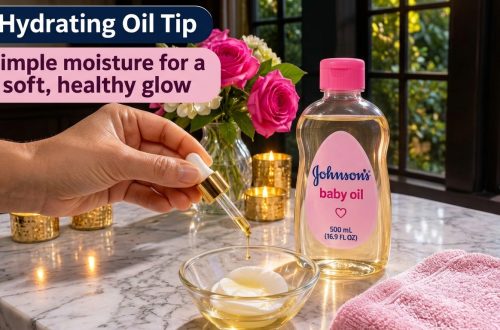
Who doesn’t love the idea of waking up to skin that looks fresh, even and healthy? Lately, simple DIY beauty hacks built around everyday pantry staples and a classic jar of petroleum jelly have been catching the attention of beauty lovers everywhere. The appeal is clear: they are affordable, quick to make, and easy to fit into a busy routine.
In this guide, we’ll walk through how these home mixtures are usually used, what they can and can’t do, and how to try them safely. Think of it as a friendly starting point, not a miracle fix.
Why Petroleum Jelly Is a Popular Base
Petroleum jelly is a well-known occlusive. In plain terms, it helps lock moisture into the surface of the skin, which can leave dry areas feeling softer and more comfortable. That is why it often shows up in night routines, on lips, and on rough patches around elbows or heels.
Because it creates a protective layer rather than adding active ingredients, it works best as a base or a finishing step. Pairing it with gentle, natural add-ins is a common approach among home beauty fans.
Common Ingredients You May See in Home Mixtures
- Aloe vera: Known for its cooling, hydrating feel, which many people enjoy on dry or irritated skin.
- Honey: A natural humectant that can help the skin hold on to water.
- Turmeric: Often used for its warm golden color and popularity in traditional beauty rituals, though it can stain the skin and fabrics temporarily.
- Lemon or lime: Bright and fresh-smelling, but citrus juice can make skin sensitive to sunlight, so it’s best avoided before going outside.
- Cloves and strong spices: These can be quite irritating for many people, so they are generally better left out of facial products.
How to Try a Simple Home Mixture Safely
- Start small. Use only a tiny amount of any new mixture, and keep your jar clean with a dry spoon every time.
- Do a patch test. Apply a small dab to the inner arm or behind the ear and wait 24 hours. Stop if you notice redness, itching or stinging.
- Choose gentle add-ins. Simple combinations like petroleum jelly with a little aloe gel or a touch of honey are easier on most skin types than strong spices or citrus.
- Use it at night. A thin layer before bed gives the mixture time to work without sun exposure.
- Store it well. Keep homemade mixtures in a clean, airtight container and make only small batches so they stay fresh.
What Results to Realistically Expect
Consistent moisture is one of the most helpful things you can give your skin. Many people notice softer, more comfortable skin after a few nights of use. Expectations about wrinkles, dark spots or acne are best kept modest, because these concerns usually need a complete routine, sun protection and, when needed, advice from a dermatologist.
Gentle, consistent care tends to beat quick fixes. Your skin usually shows the best changes over weeks, not overnight.
When to Skip the DIY and Ask for Help
Stop using any home mixture right away if your skin burns, swells, blisters or becomes painful. Also check with a healthcare professional before trying new remedies if you have eczema, rosacea, open wounds, or a history of allergic reactions. Acne that is painful, spreading or lasting a long time deserves professional care too.
Final Thoughts
Simple Vaseline-based mixtures can be a pleasant addition to a self-care routine when they are kept gentle and used with care. Start slowly, patch test every new recipe, and pair your routine with daily sunscreen and plenty of water. Your skin will thank you for the consistency, and you will learn what truly suits you along the way.