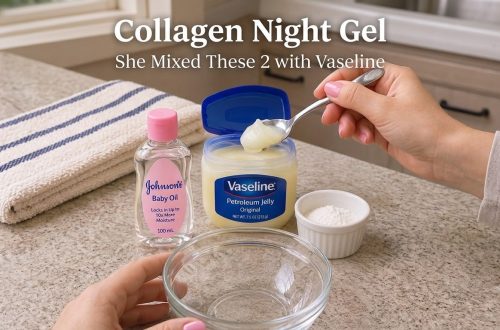
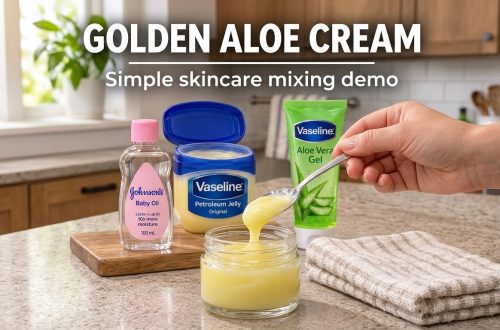
If you have been scrolling through beauty content lately, you have probably seen people mixing Vaseline with everyday kitchen and bathroom staples. It sounds simple, and that is exactly the appeal. In this guide, we will walk through the most popular Vaseline combos, explain what each one is generally used for, and share gentle tips so you can decide what might work for your skin.
Why Vaseline Is a Favorite Base for Home Mixes
Vaseline Original Healing Jelly is an occlusive, which means it helps lock moisture in the skin. Many people keep a jar on hand for dry lips, rough elbows, and cracked heels. When you blend it with other ingredients, you can create a richer texture or add a gentle extra benefit, all while keeping the routine affordable and easy.
Popular Vaseline Combos You Might See
Vaseline and Johnson’s Baby Oil
Many home beauty fans mix a little baby oil into petroleum jelly to create a silky, softening balm for very dry patches. It is often used as an overnight treatment for hands and feet. Use only a small amount, since a little goes a long way.
Vaseline and Coconut Oil
Coconut oil is a plant-based option that many people enjoy for its rich feel. Combining it with Vaseline can make a nourishing body balm for elbows, knees, and heels. If you have acne-prone skin, patch test first and avoid applying heavy mixes to breakouts.
Vaseline and Honey
Honey is known for its natural humectant qualities, meaning it can help attract moisture to the skin. A thin layer of honey mixed into Vaseline is sometimes used as a soothing lip treatment or a light hand mask. Choose raw or good-quality honey and keep the mixture clean.
Vaseline and Castor Oil
Castor oil is thick and popular in many natural beauty routines, especially for brows and lashes. Mixed with Vaseline, it creates a dense conditioning balm. Because it is quite heavy, it works best on dry areas rather than your whole face.
Simple Tips Before You Try Any Combo
- Always do a patch test on a small area of skin for 24 hours.
- Use clean spoons and containers to keep your mixtures fresh.
- Make small batches so you can use them within a few days.
- Stop using any mix that causes redness, itching, or irritation.
Who Should Be Careful
If you have sensitive skin, rosacea, eczema, or frequent breakouts, it is a good idea to talk with a dermatologist before trying new homemade blends. Occlusive products can trap oil and sweat, so they may not suit every skin type or every part of the face.
Building a Routine That Feels Good
Beauty works best when it is consistent and kind to your skin. You do not need a long list of products to glow. Start with gentle cleansing, a simple moisturizer, and sunscreen during the day. Then, if you enjoy experimenting, add one home mix at a time and notice how your skin responds over a couple of weeks.
Healthy, radiant skin usually comes from good habits: staying hydrated, sleeping well, eating colorful foods, and protecting your skin from the sun. Enjoy exploring natural beauty, and let your skin guide you toward the routine that feels right.