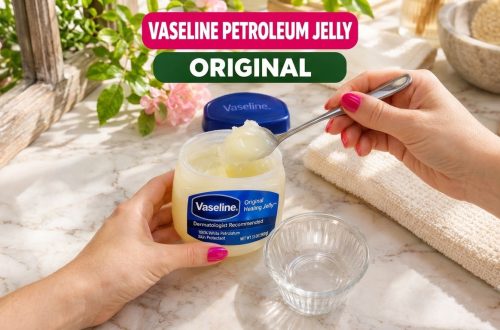
Grandma’s beauty tips have been passed down for generations, and one popular idea making the rounds online is a simple home mix of petroleum jelly, coconut oil, and baking soda, often used as an overnight treatment for a radiant-looking complexion. It sounds easy, and the ingredients are probably already in your kitchen or bathroom. Before you try it, though, let’s take a closer look at what each ingredient does and where the caution signs are.
Why This Trick Is So Popular
Many people love the idea of a simple, affordable routine that feels homemade and personal. Beauty trends like this often spread because they promise a softer, smoother-looking feel without an expensive shopping list. At BEAUTY 2, we believe it is worth understanding the reasons behind a trend so you can make your own informed decision.
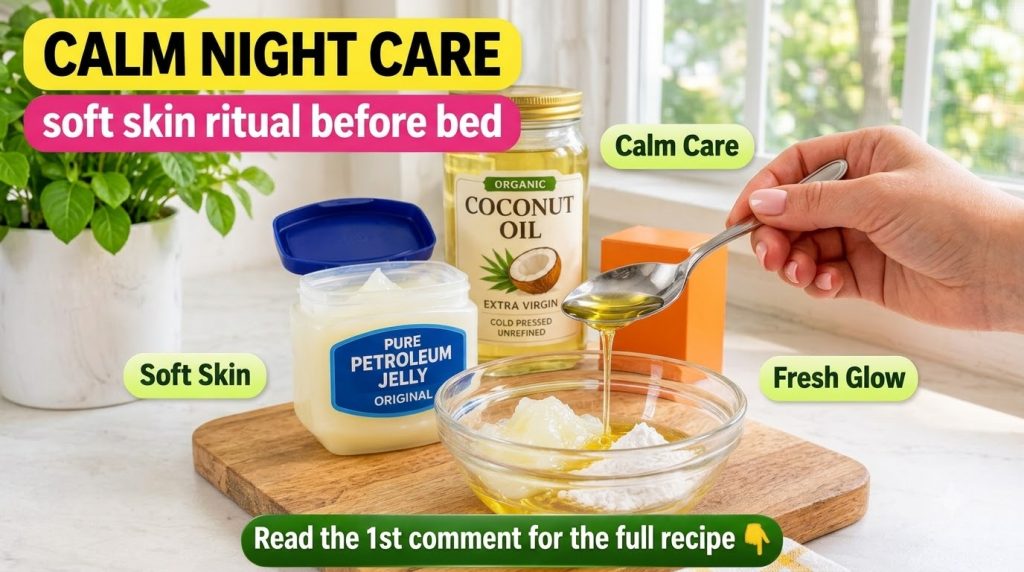
Meet the Ingredients
Petroleum Jelly
Petroleum jelly is a classic occlusive. It forms a light barrier on the skin that helps reduce water loss, which is why it is often used on dry patches and lips. It does not add moisture on its own, so it works best when applied over a damp skin surface.
Coconut Oil
Virgin or cold-pressed coconut oil is a popular natural moisturizer in DIY beauty routines. Many people enjoy the way it leaves skin feeling soft. Some skin types, however, may find it heavy or prone to clogging pores, so it is not a fit for everyone.
Baking Soda
Baking soda is a mild alkaline powder that is commonly used for cleaning and sometimes for occasional gentle exfoliation. Its alkalinity can disrupt the skin’s natural barrier, and it is a known irritant for many people. This is the ingredient that deserves the most caution in this mix.
Important Safety Notes Before You Try It
- Avoid applying baking soda directly to your face. Using it on the skin can cause redness, stinging, or dryness, especially for sensitive or mature skin.
- Do a patch test first. Apply a small amount of any mixture to a discreet area, such as the inner forearm, and wait at least 24 hours before using it on your face.
- Stop right away if you notice burning, itching, swelling, or rash, and rinse with lukewarm water.
- Do not use any homemade mixture on broken, irritated, or infected skin.
- If you have a skin condition, talk with a qualified dermatologist before trying a new home remedy.
Safer Ways to Enjoy a Nighttime Routine
If you love the idea of a cozy bedtime ritual, you can keep it gentle. Cleanse your face with a mild cleanser, pat your skin dry, and apply a fragrance-free moisturizer. For extra softness, a thin layer of plain petroleum jelly on dry areas such as elbows or heels is a popular option that many people find comforting. Consistency and hydration matter more than any single ingredient.
The Bottom Line
Grandma’s glow trick is a fun piece of beauty folklore, but the baking soda in this mix is not a gentle choice for your face. Focus on simple, skin-friendly habits, patch test anything new, and choose routines that feel comfortable for your skin. BEAUTY 2 is here to help you explore natural beauty with knowledge and care.