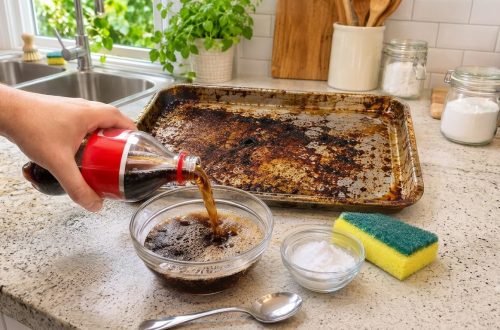
Most people think of lemons and cloves only as a pleasant scent for the kitchen, but this simple pairing can become one of the most useful homemade preparations you own. The aroma is just the start. What matters is how you prepare it, how strong you make it, and how you store it.

What Is a Lemon and Clove Preparation?
A lemon and clove preparation is a simple homemade mix that combines fresh lemon with whole cloves. Households use it in three main ways: as a simmering pot for room fragrance, as a diluted cleaning rinse for kitchen surfaces, and as a warm infused drink for occasional use. The goal is freshness and everyday practicality, not strong treatment.
Ingredients
- 1 unwaxed or organic lemon
- 6 to 8 whole cloves
- 4 cups water for a simmer pot, or 2 cups for a rinse
- Optional: 1 cinnamon stick or 1 teaspoon raw honey for a warm drink
Approximate Measurements
| Version | Lemon | Cloves | Water | Best Use |
|---|---|---|---|---|
| Simmer pot | 1 lemon, sliced | 6 cloves | 4 cups | Room scent |
| Cleaning rinse | 1/2 lemon, juiced | 4 cloves steeped | 2 cups | Surface wipe-down |
| Warm drink | 1/2 lemon, juiced | 2 to 3 cloves | 1 cup | Occasional sipping |
Step-by-Step Method
- Bring the water to a gentle boil for the simmer pot or the rinse base.
- Add the whole cloves. For the rinse, steep them off the heat for 10 minutes. For the simmer pot, keep the heat low.
- Slice the lemon or juice half of it, depending on your version.
- Add the lemon to the pot and simmer on low for 20 to 30 minutes, adding water as needed.
- For the rinse, strain out the cloves, let the liquid cool, and then add the lemon juice.
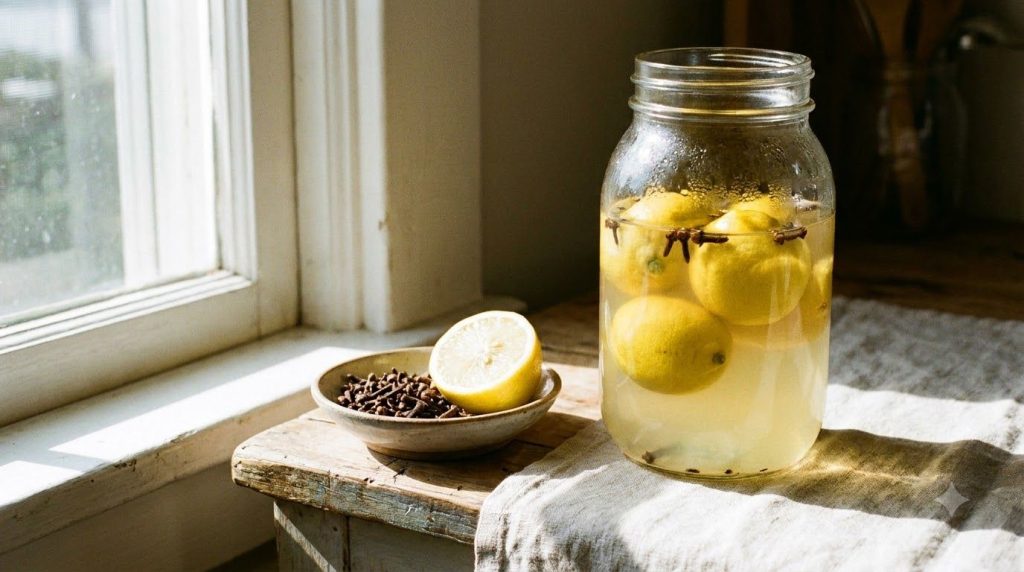
- Pour the finished preparation into a clean glass jar with a tight lid.
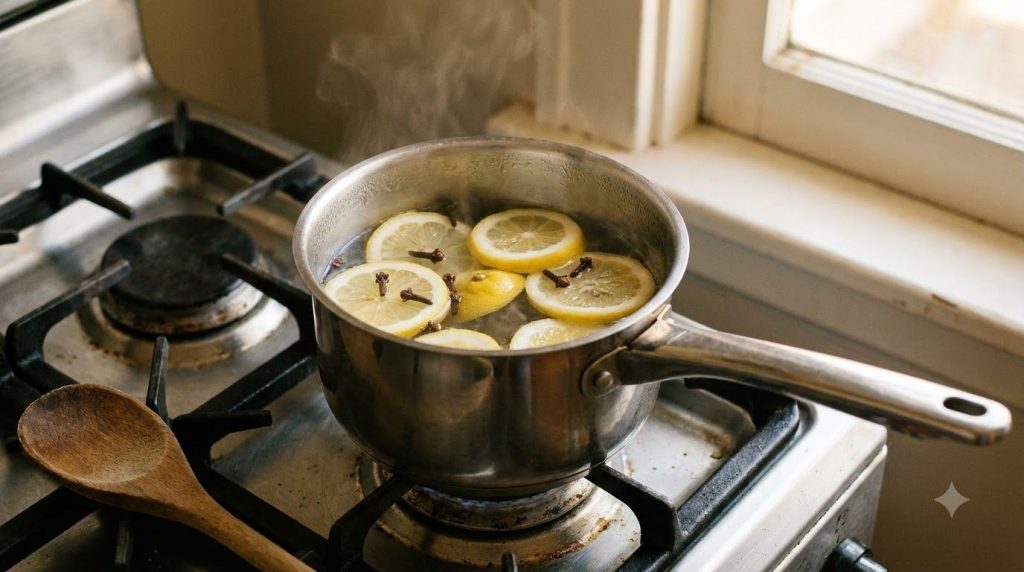
Quick Tip: Use a lid while simmering to keep the scent strong and reduce water loss.
How to Use It
For room fragrance, keep the simmer pot on low for up to 2 hours while you are home, and never leave it unattended. For cleaning, dilute the rinse further if you are wiping delicate surfaces, and test a small hidden area first. For a warm drink, sip a small cup slowly, adding honey only if you like the taste.
How Often to Use It
Simmer pots are best used once or twice a day in the same room. Cleaning rinses can be used on kitchen surfaces once or twice a week. Warm drinks work best as an occasional beverage rather than a daily habit.
How to Buy and Choose Ingredients
Choose firm lemons with thin, bright skin and no soft spots. Unwaxed or organic lemons are preferred if you use the peel. Look for whole cloves rather than ground cloves, since whole cloves keep their oil longer and do not clump in water. Whole cloves should feel slightly oily when pressed, and they should smell strong.
Storage
Keep the cooled liquid in a sealed glass jar in the refrigerator and use it within 3 to 4 days. Do not store it in a wet or open container, and do not leave it at room temperature for more than a few hours. Simmer pots should be discarded after use rather than reheated the next day.
Quick Reference: Fresh vs Dried Lemon
| Option | Scent Strength | Shelf Life | Best For |
|---|---|---|---|
| Fresh lemon slices | Bright and light | Use same day | Simmer pot |
| Fresh lemon juice | Clean and sharp | 3 to 4 days refrigerated | Cleaning rinse, drinks |
| Dried lemon peel | Mild and warm | Several weeks in a sealed jar | Potpourri blends |
Practical Tips
- Crush the cloves lightly before steeping to release more aroma.
- Replace the water in the simmer pot if it evaporates below half.
- Label every jar with the date you made it.
Common Mistake: Boiling the cloves hard for a long time. Strong boiling makes the liquid bitter and can overpower a drink. Keep the heat gentle.
Common Mistakes
- Using old or dry lemons with no fragrance.
- Storing the liquid in a wet or unsealed container, which invites spoilage.
- Using too many cloves, which can make the scent harsh.
- Applying the mixture to skin without diluting it first.
- Leaving a simmer pot unattended on the stove.
Cautions and Who Should Avoid It
Cloves are potent. Do not use undiluted clove preparations on skin, and keep them away from children and pets. People who are pregnant, breastfeeding, taking blood-thinning medication, or managing a health condition should check with a healthcare professional before drinking any clove preparation. Lemon can irritate sensitive skin and tooth enamel, so rinse your mouth with water after a warm drink and avoid direct contact with broken skin.
Quick Summary
- Best preparation: Simmer pot for scent, diluted rinse for surfaces.
- Best use case: Home fragrance and light kitchen cleaning.
- Storage: Sealed glass jar in the refrigerator, up to 4 days.
- When to use: Once or twice daily for scent, weekly for cleaning.
- What to avoid: Hard boiling, undiluted skin use, and wet storage containers.
FAQ
Can I use ground cloves instead of whole cloves?
You can, but ground cloves cloud the liquid and become bitter quickly. Whole cloves are the better choice for simmering and steeping.
Can I use fresh or dried lemon?
Fresh lemon gives the brightest result. Dried lemon peel works for potpourri blends that you plan to keep for several weeks.
Can I refrigerate the liquid?
Yes. Keep it in a sealed glass jar and use it within 3 to 4 days.
Can I freeze it?
Freezing is possible in ice cube trays for cleaning rinses. Thaw a cube fully before use and label it with the date.
How long does a simmer pot last?
Use it for one session, then discard the lemon and cloves. Fresh slices lose their aroma quickly.
Can I reuse the cloves?
You can reuse cloves once for a mild rinse, but their scent fades noticeably after the first use.
When should I avoid this preparation?
Avoid it if you are pregnant, breastfeeding, taking blood thinners, or have sensitive skin. Stop using it if you notice irritation.
Conclusion
A lemon and clove preparation is a simple, practical household option when you keep the ratios gentle, the heat low, and the storage clean. Start with the simmer pot or the diluted rinse, and build from there.
You may also like: Read more about homemade cleaning rinses in our full guide to natural kitchen cleaning. Continue with: learn how to make a simple clove-infused tea in our related guide. See the full guide: how to store homemade herbal preparations safely.