Do you ever look at your backyard and wish it could be both wonderfully practical and bursting with personality? Gardening and maintaining your outdoor space can sometimes feel like a never-ending list of chores. But what if we told you that with a dash of creativity and a sprinkle of clever design, those everyday tasks can become moments of joy, and your garden can truly reflect your unique spirit?
We believe that every garden, no matter its size, deserves to be a place of beauty, utility, and a little bit of magic. It’s all about blending the practical needs of gardening with artistic touches that make you smile. Let’s dig in and discover how you can transform your outdoor routines into delightful experiences while cultivating a thriving, sustainable space.
Making Everyday Chores a Joy: The Art of Garden Utility
Who says functional items can’t also be fabulous focal points? Imagine turning something as mundane as a clothesline into a whimsical piece of garden art! It’s all about seeing everyday necessities as opportunities for creative expression. This approach doesn’t just make chores more pleasant; it adds character and charm to your entire property.
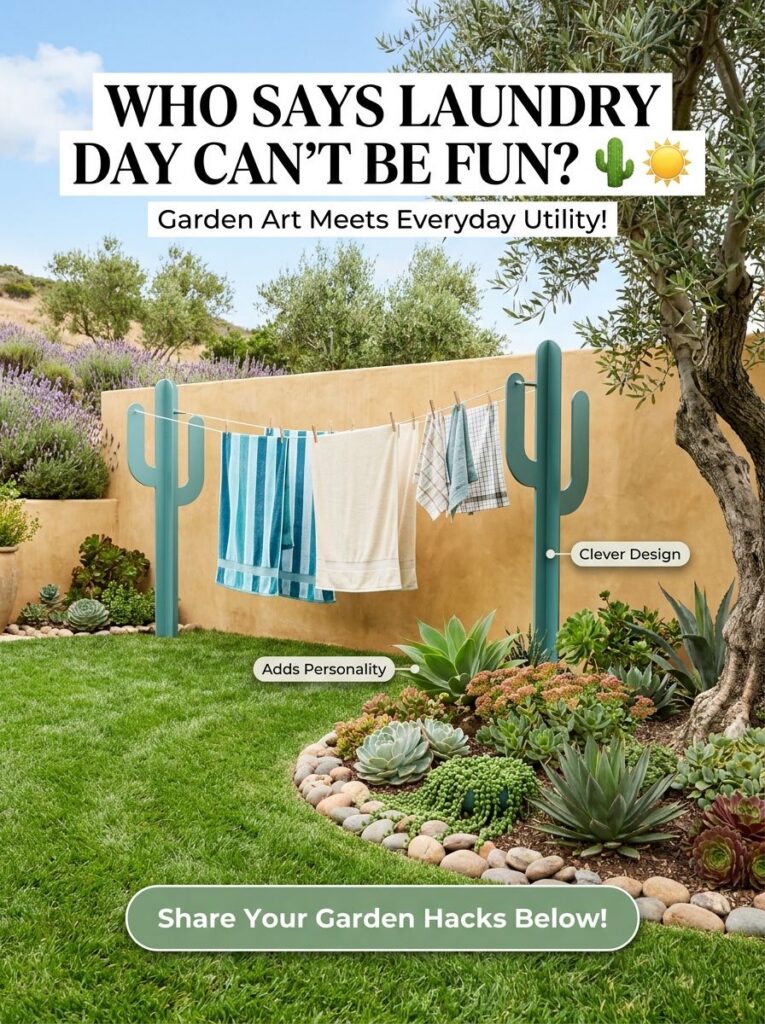
Think about other garden utilities you use regularly. Your garden tools, rain barrels, compost bins, or even your watering cans can be integrated beautifully. Instead of hiding them away, consider how they might add to your garden’s aesthetic:
- Tool Storage: Can an old wooden crate be repurposed into a charming storage box for small tools? Or perhaps a beautifully painted shed that complements your home’s exterior?
- Compost Bins: While often hidden, a neatly constructed, perhaps vine-covered, compost bin can blend seamlessly into a corner, producing nutrient-rich soil for your plants.
- Rain Barrels: Many stylish rain barrels are available today that look like decorative urns. You can also paint a standard barrel or surround it with climbing plants to make it an attractive water-saving feature.
The goal is to infuse personality into every corner, making your garden truly yours.
Clever Design on a Dime: DIY Garden Solutions
Gardening doesn’t have to be an expensive hobby. Many of the most ingenious and charming garden solutions come from a bit of DIY spirit and repurposing materials you already have. These hacks save money and give your garden a unique, personal touch.
Repurposing and Upcycling for Your Garden
- Raised Beds from Pallets or Scrap Wood: Instead of buying expensive raised bed kits, look for free pallets or leftover lumber. With a little cutting and screwing, you can create sturdy, attractive raised beds for vegetables or flowers. Remember to ensure any wood used for food gardens is untreated to avoid chemical leaching.
- Vertical Gardens from Gutters or Plastic Bottles: If space is limited, go vertical! Old gutters can be stacked or hung to create tiered planters for herbs or strawberries. Plastic bottles, cut and inverted, can also form a creative, self-watering vertical system.
- Unique Plant Markers: Forget bland plastic markers. Use painted rocks, old spoons, or pieces of broken pottery with plant names written on them for a rustic and charming touch.
- Stepping Stones with Personality: Create your own stepping stones using concrete mix and old molds. Decorate them with mosaics made from broken tiles, colorful glass, or even pressed leaves for unique pathways.
These projects are not just about saving money; they’re about the satisfaction of creating something beautiful and functional with your own hands.
Choosing Your Green Companions: Plants for Every Zone and Style
One of the most foundational pieces of garden wisdom is understanding your plants and their needs. This starts with knowing your USDA Plant Hardiness Zone. This system helps you determine which plants are most likely to thrive in your location based on average annual extreme minimum winter temperatures.
Navigating USDA Hardiness Zones
Knowing your zone (for example, Zone 6a or 8b) means you can select plants that are naturally suited to your climate, reducing stress on the plants (and on you!).
- Zone 3-5 (Northern US): Look for hardy perennials like Hostas, Siberian Irises, Coneflowers, and many varieties of Lilacs and Peonies. Cold-tolerant vegetables like kale and cabbage will also do well.
- Zone 6-8 (Mid-latitude US): This covers a broad range. Many popular garden plants thrive here, including Roses, Hydrangeas, Daylilies, and various fruit trees. You can experiment with a wider variety of annuals and perennials.
- Zone 9-11 (Southern US, Coastal Areas): Here, you can grow more tropical and heat-loving plants like Bougainvillea, Hibiscus, Citrus trees, and various types of palms. Succulents and Agaves also flourish in these warmer zones.
Always check plant tags or descriptions for their recommended hardiness zone. Choosing the right plant for the right place is the first step to a low-maintenance, flourishing garden.
Characteristic Plants for Different Garden Styles
Beyond zones, consider your garden’s aesthetic. Do you dream of a drought-tolerant haven or a lush, cottage garden?
- Drought-Tolerant & Xeriscape Gardens: Embrace succulents, sedums, agaves, lavender, and ornamental grasses. These plants are stunning, require minimal water, and are perfect for hotter, drier climates.
- Cottage Gardens: Think overflowing borders with Foxgloves, Delphiniums, Hollyhocks, and climbing roses. These gardens are typically informal, abundant, and rich in color and texture.
- Wildlife-Friendly Gardens: Focus on native plants that provide food and shelter for local pollinators and birds. Milkweed for monarch butterflies, coneflowers, and berry-producing shrubs are excellent choices.
Nourishing Your Green Haven: Soil Health and Sustainable Practices
A beautiful garden begins beneath the surface – with healthy soil. Think of your soil as the pantry for your plants; the richer and more diverse it is, the healthier and more productive your plants will be. Embracing organic and sustainable practices not only benefits your plants but also the environment.
The Power of Organic Soil Health
- Composting: This is perhaps the easiest and most impactful way to improve your soil. Turning kitchen scraps and yard waste into rich, dark compost provides essential nutrients, improves soil structure, and helps retain moisture. It’s like gold for your garden!
- Mulching: A generous layer of organic mulch (like wood chips, straw, or shredded leaves) around your plants offers numerous benefits: it suppresses weeds, conserves soil moisture, regulates soil temperature, and slowly breaks down to enrich the soil.
- Cover Cropping: For garden beds that lie fallow during the off-season, planting a cover crop (like clover or rye) can prevent erosion, add organic matter, and even fix nitrogen in the soil.
- Crop Rotation: If you grow vegetables, rotating where you plant different families of crops each year helps prevent soil-borne diseases and ensures an even draw of nutrients from the soil.
Always avoid chemical pesticides and fertilizers. Opt for natural solutions like neem oil for pests or compost tea for a nutrient boost. A healthy soil ecosystem, full of beneficial microbes and earthworms, is your garden’s best defense against problems.
Beyond the Basics: Unique Touches for Your Outdoor Oasis
Once you’ve got the practicalities down, it’s time to truly make your garden a reflection of you. These unique touches can turn a functional space into a cherished retreat.
- Garden Art & Sculptures: Whether it’s a repurposed item, a found object, or a piece of handcrafted art, sculptures add whimsy, focal points, and personality.
- Cozy Seating Areas: Create inviting spots to relax and enjoy your hard work. A comfortable bench under a shade tree, a rustic picnic table, or a set of colorful Adirondack chairs can transform a corner into an outdoor living room.
- Ambient Lighting: Solar-powered path lights, fairy lights strung through trees, or even a few strategically placed lanterns can extend your garden’s enjoyment into the evening hours, creating a magical atmosphere.
- Sound & Scent: Consider a small water feature for soothing sounds, or plant fragrant herbs and flowers near seating areas to delight the senses.
These elements create an atmosphere, inviting you and your loved ones to linger longer and appreciate the beauty you’ve cultivated.
Your Garden, Your Masterpiece
Gardening is an ongoing journey of learning, experimenting, and finding joy in the small things. By embracing clever design, choosing the right plants, nurturing your soil, and adding personal touches, you can transform your backyard into a truly unique and productive haven. It’s about more than just growing plants; it’s about cultivating a lifestyle that connects you with nature, enhances your daily routine, and fills your space with personality.
We hope these ideas inspire you to look at your garden with fresh eyes and discover new ways to make it both beautiful and brilliantly functional. What creative garden hacks have you come up with? We’d love to hear your ingenious ideas and see how you’ve brought personality to your outdoor space!