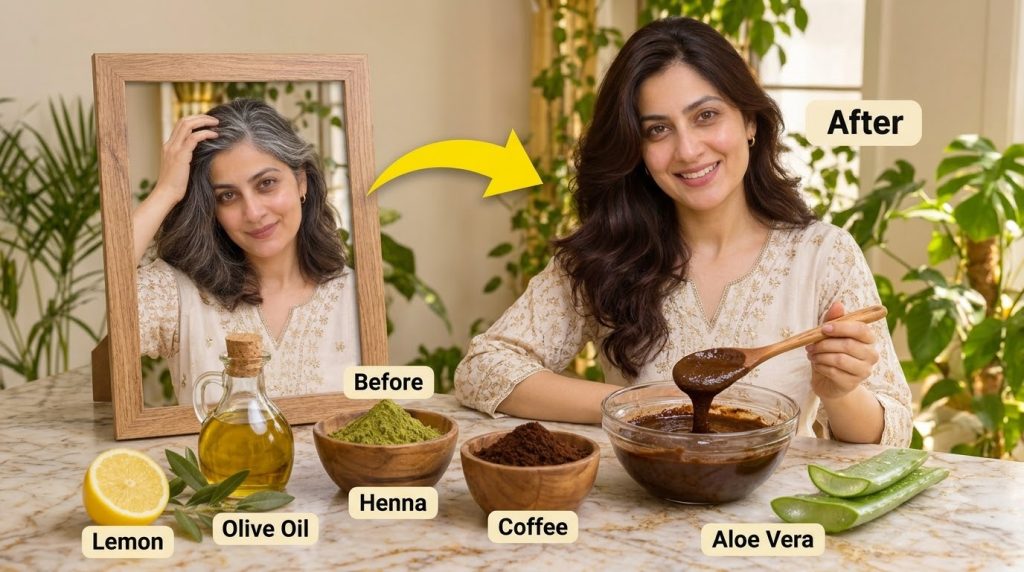
Many people are looking for gentler, more natural ways to care for their hair. Ingredients like henna, coffee, olive oil, lemon, and aloe vera are easy to find and have a long history in home care routines. This guide explains what each ingredient is typically used for, how people commonly approach homemade hair treatments, and what to keep in mind before you try them.
Why Natural Ingredients Appeal to Home Care Routines
Natural hair care focuses on simple, recognizable ingredients that you can measure, mix, and control yourself. Many readers prefer this approach because they know exactly what goes into their routine. It also gives them a chance to experiment with textures, scents, and application methods that suit their hair type.
It is important to keep expectations realistic. Home remedies are not a substitute for professional advice, especially if you have a scalp condition, hair loss, or sensitivity to certain plants. Think of natural ingredients as part of a balanced routine rather than a quick fix.
Common Ingredients and What People Use Them For
Henna
Henna is a plant-based powder that has been used for centuries in hair and skin care traditions. It is known for coating the hair shaft, and it can change the color of hair. Because of this, henna should be chosen carefully, and you should check whether a product is pure or contains added dyes.
Coffee Grounds
Brewed or finely ground coffee is often mixed into home masks and scrubs. Many people use it for its earthy color and gentle exfoliating texture on the scalp. Coffee can also add warm, deep tones to hair, so it is worth testing on a small section first.
Olive Oil
Olive oil is a popular conditioning ingredient that helps create a smooth, softer feel. It is often used as a pre-wash treatment or as a light finishing oil for the lengths of the hair. A small amount goes a long way, so start with less and add more only if needed.
Lemon
Lemon juice is commonly used as a light rinse because of its natural acidity. Some people use it to help remove buildup between washes. Because citrus can irritate the skin and can lighten hair in sunlight, use it sparingly and avoid applying it to broken or sensitive skin.
Aloe Vera
Aloe vera gel is widely valued for its cooling, moisturizing feel. It is frequently added to hair masks or used on the scalp for comfort. Choose pure gel with minimal additives whenever possible.
A Simple Approach to a Homemade Hair Mask
If you want to explore a homemade treatment, a simple process can help you get started. Always work with clean tools and fresh ingredients, and mix only what you need for one use.
- Choose one or two ingredients rather than combining everything at once, so you can understand how your hair responds.
- Mix small amounts in a clean glass or ceramic bowl until you reach a smooth, spreadable consistency.
- Apply the mixture to damp hair, focusing on the areas you want to treat, and avoid pressing hard on the scalp.
- Cover your hair and leave the mask on for the time recommended in your chosen recipe, rinsing thoroughly afterward.
- Follow with your regular conditioner or a light oil if your hair feels dry.
Safety Tips Before You Start
Patch testing is essential for any new natural ingredient. Apply a small amount to the inside of your arm or behind your ear, wait at least 24 hours, and watch for redness, itching, or irritation. If you notice any reaction, stop using the mixture right away.
Be especially careful with henna and other coloring ingredients, since they can permanently change hair color. Lemon and other acidic ingredients should be used in moderation and kept away from the eyes. If you have allergies, a medical condition, or are pregnant, speak with a healthcare professional before trying new treatments.
Setting Realistic Expectations
Hair care results vary from person to person, depending on hair type, texture, climate, and overall health. Consistency and gentle handling usually matter more than any single ingredient. Keep notes on what you use and how your hair feels over several weeks so you can adjust your routine with confidence.
Final Thoughts
Natural ingredients like henna, coffee, olive oil, lemon, and aloe vera offer an accessible way to explore home hair care. By testing carefully, starting simple, and keeping expectations grounded, you can build a routine that feels comfortable and enjoyable. What are your favorite natural hair remedies? Share your experience in the comments below!