Many people look for a natural way to feel polished and refreshed without spending much time in front of the mirror. Common household products such as petroleum jelly, baby oil, and even kitchen spices like cloves often appear in online beauty posts. This guide explains what these ingredients are, what they can and cannot do for your skin, and how to use them with care.
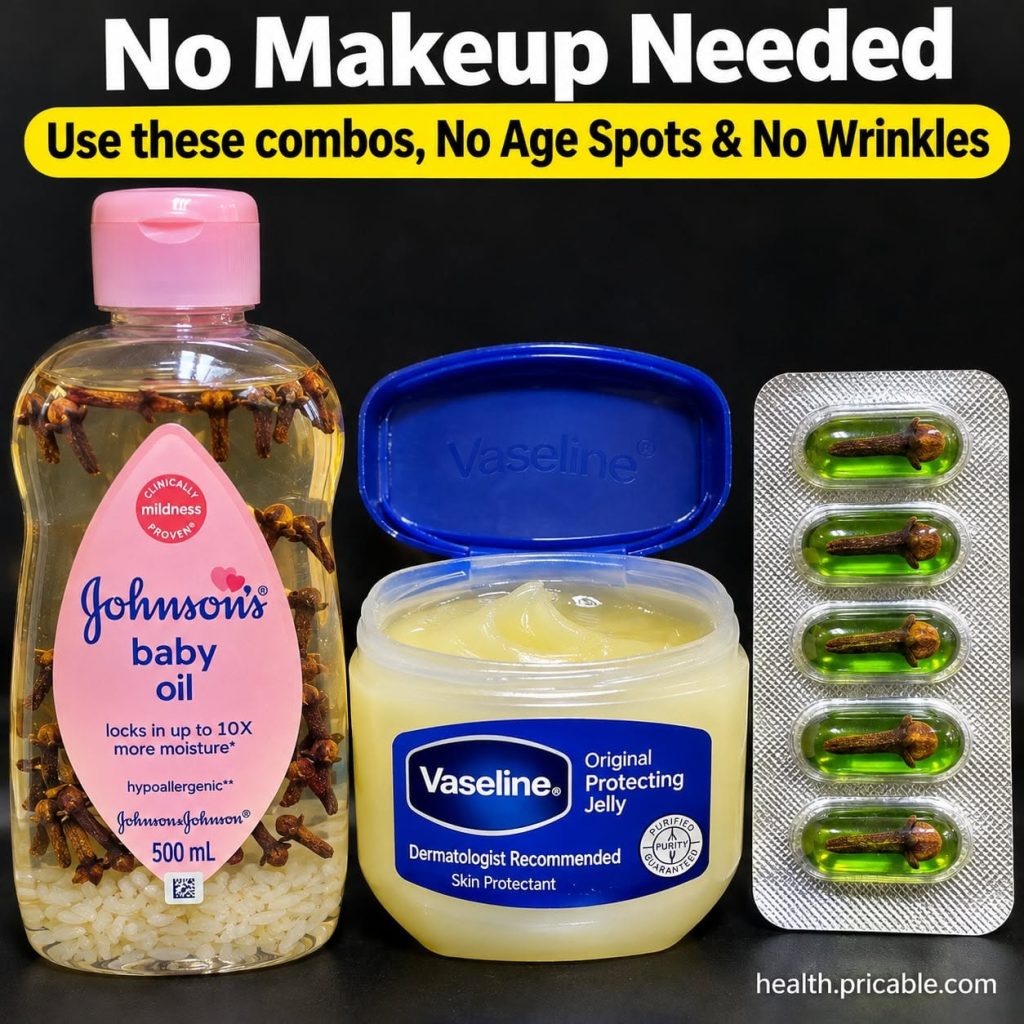 Common home skincare staples. Always patch test before trying a new product.
Why Ingredients Like These Get Attention
Petroleum jelly and mineral oil are widely used in skincare because they help slow water loss from the skin’s surface. When skin is dry, it can look dull and feel rough, so a basic moisturizer can make the complexion appear smoother. Cloves contain natural compounds such as eugenol, which has been studied in laboratory settings for its antioxidant properties. Laboratory results, however, do not automatically translate into visible results on human skin.
What Simple Moisture Can Realistically Do
- Help reduce dryness, flaking, and tightness.
- Create a soft, healthy-looking surface that reflects light more evenly.
- Support a nighttime routine when used on clean, damp skin.
These benefits are real, but they are modest. A moisturizer does not change pigmentation or reverse the fine lines that develop with time, sun exposure, and genetics.
Important Safety Notes Before You Try Any Mix
Cloves are potent, and essential oil or clove-infused products can irritate sensitive skin, cause redness, or trigger allergic reactions. Baby oil and petroleum jelly can also clog pores for some people, especially those prone to breakouts. Keep these steps in mind:
- Test a small amount on the inner forearm or behind the ear for 24 to 48 hours.
- Avoid applying mixtures to broken, irritated, or freshly treated skin.
- Never leave homemade blends on the face for long periods or use them near the eyes.
- Stop immediately if burning, itching, or swelling occurs.
Talk to a Dermatologist About Age Spots and Wrinkles
Age spots, also called sun spots or solar lentigines, and wrinkles are common concerns. Their causes and appropriate treatments vary from person to person. Some spots can resemble other skin conditions, so a professional evaluation is the safest first step. A dermatologist can recommend options that have clinical evidence behind them, such as sun protection, prescription topicals, or in-office procedures.
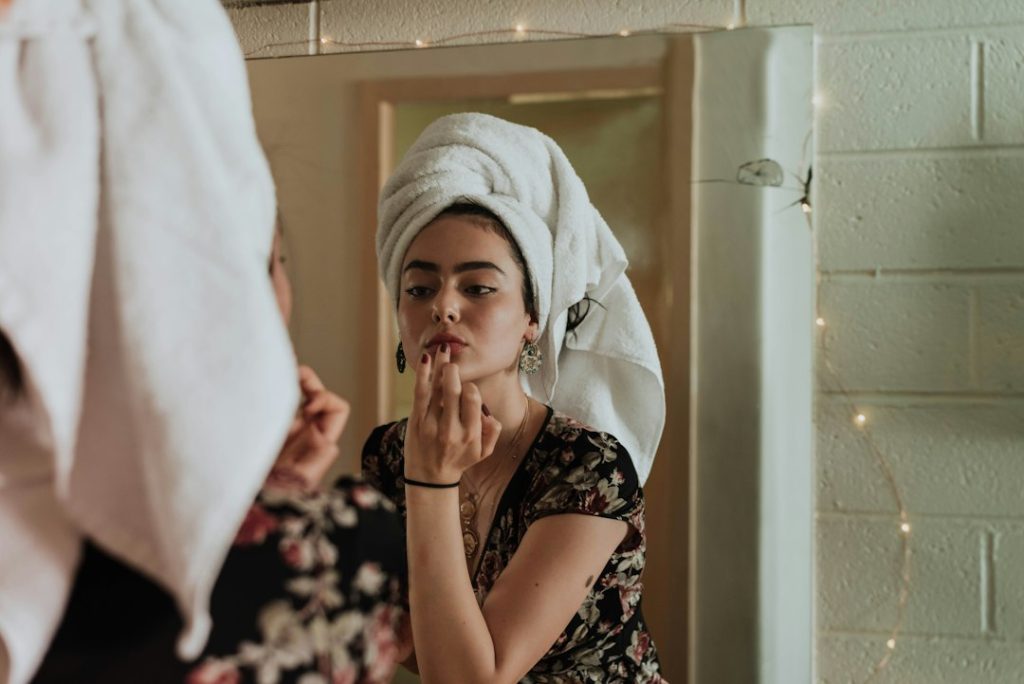 A gentle daily routine supports skin comfort.
Building a Simple Routine for Everyday Glow
Most people see the greatest improvement in skin appearance from consistent basics rather than one unusual ingredient. Daily broad-spectrum sunscreen is one of the most effective habits for protecting against sun damage. Gentle cleansing, adequate hydration, regular sleep, and a balanced diet also contribute to a healthy-looking complexion. Add a simple moisturizer that suits your skin type, and reserve any homemade product for occasional use after a patch test.
Final Thoughts
Natural ingredients can be part of a relaxed, practical skincare routine, but they are not a replacement for professional guidance. Treat petroleum jelly, baby oil, and cloves as everyday tools with specific strengths and limits. If you have concerns about age spots, wrinkles, or any changes in your skin, speak with a dermatologist first. What simple habit has helped your skin look its best?