Eggs are one of the most versatile and affordable foods in the kitchen. They provide high-quality protein, essential vitamins, and minerals in a small, convenient package. But how you cook them can change how your body absorbs their nutrients and how comfortable your digestion feels afterward. In this guide, we explain how each popular cooking method works, what it means for your health, and how to enjoy eggs in a way that supports your daily wellness.
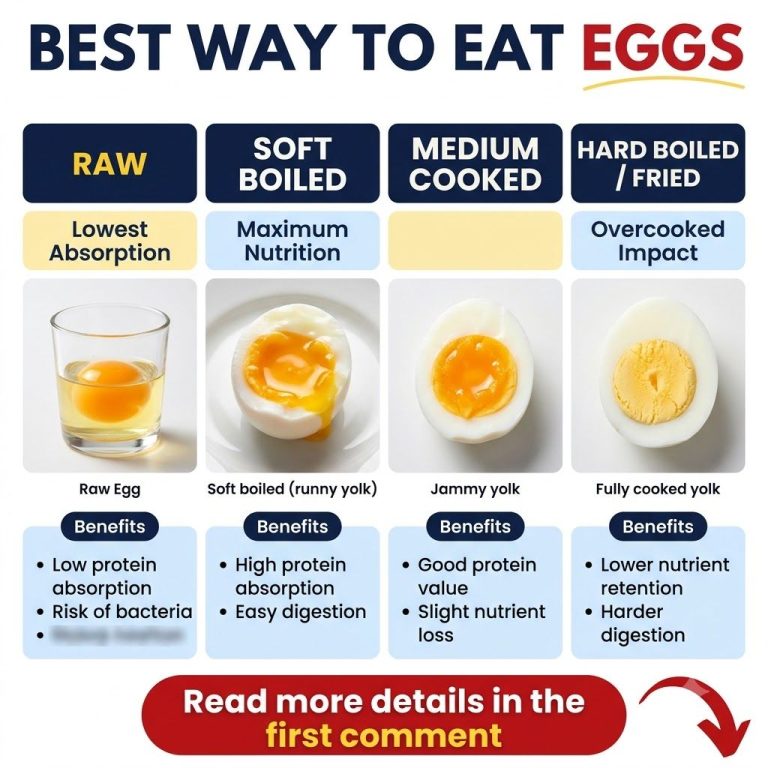
Why Cooking Method Matters
Eggs contain protein, healthy fats, choline, vitamin D, B vitamins, and selenium. Cooking does not destroy all of these nutrients, but heat, cooking time, and added fats do influence the final result. Gentle cooking often preserves more of the egg’s delicate nutrients, while high heat and long cooking times can reduce some vitamins and make the yolk drier and harder to digest for some people.
Cooking also plays a key role in digestion. Heat partially unfolds egg proteins, making them easier for digestive enzymes to break down. This is one reason cooked eggs are generally better tolerated than raw eggs, which also carry a risk of foodborne illness from Salmonella.
How Popular Egg Cooking Methods Compare
1. Boiled Eggs
Boiled eggs are one of the simplest and most nutrient-friendly options. Because no oil or butter is added, they keep calories low while still delivering protein and micronutrients. Soft-boiled eggs with a runny center tend to be gentler on digestion for many people, while hard-boiled eggs are convenient for meal prep and portable snacks.
2. Poached Eggs
Poaching cooks eggs in simmering water without added fat. It is a light method that preserves a tender texture and a moist yolk. Poached eggs are an excellent choice if you are watching your fat intake or want a high-protein breakfast that feels satisfying without being heavy.
3. Scrambled Eggs
Scrambled eggs are quick and flexible, but the final nutritional value depends on what you add. Using a small amount of olive oil or a non-stick pan, cooking over medium-low heat, and adding vegetables such as spinach, peppers, or tomatoes can turn a simple breakfast into a nutrient-rich meal. Overcooking scrambled eggs on high heat can make them dry, so slower cooking is usually the better choice.
4. Fried Eggs
Fried eggs are popular, but their health profile depends heavily on the amount and type of fat used. A teaspoon of extra virgin olive oil or avocado oil is a heart-friendly choice. Frying in large amounts of butter or oil adds calories quickly, so measuring your fat is a simple habit that makes a real difference.
5. Baked Eggs
Baked or shirred eggs cook gently in the oven and pair well with vegetables, herbs, and a small amount of cheese. This method is easy to portion and works well for family meals or weekend brunch, while still keeping the yolk tender.
Practical Tips for Better Digestion and Flavor
- Choose gentler heat. Medium or low heat helps protect delicate nutrients and avoids tough, rubbery textures.
- Limit added fat. Use a measured teaspoon of healthy oil instead of pouring it freely.
- Pair eggs with fiber. Vegetables, whole-grain toast, and beans support digestive health and keep you full longer.
- Pay attention to your body. If you notice bloating or discomfort, try softer cooking methods like poaching or soft-boiling and see how you feel.
- Cook eggs thoroughly for safety. Whites should be set and yolks should reach a safe internal temperature, especially for vulnerable groups such as young children, older adults, and pregnant women.
Building Eggs Into a Healthy Routine
The best egg is the one you enjoy and can prepare consistently. Rotate between boiled, poached, scrambled, and baked eggs to keep meals interesting while getting a range of textures and nutrients. Combine eggs with colorful vegetables, healthy fats, and whole grains for balanced meals that support energy, satiety, and long-term wellness.
If you have specific digestive concerns, medical conditions, or dietary restrictions, consult a qualified healthcare professional or registered dietitian for personalized guidance. With a few simple choices in the kitchen, eggs can be a delicious and science-informed part of your everyday healthy eating plan.