Pickles are one of those simple foods that can turn an ordinary meal into something special. Tangy, crunchy, and easy to make at home, they are a favorite snack for many households. In this guide, we will walk through the basics of making homemade pickles, explain how they fit into a balanced eating routine, and share a few easy ideas to try in your own kitchen.
Why Homemade Pickles Are Worth Trying
Store-bought pickles are convenient, but making your own gives you control over the ingredients, the salt level, and the flavor. Homemade pickles also let you use fresh produce from your local market or garden, which can make a big difference in taste and texture.
Many traditional pickles are made through lacto-fermentation, a process where beneficial bacteria naturally develop in a salt brine. Fermented foods are often associated with digestive comfort, and many people enjoy adding them to a varied diet. While research is still ongoing, fermented vegetables may support a healthy gut environment as part of an overall balanced lifestyle.
Basic Ingredients You Need
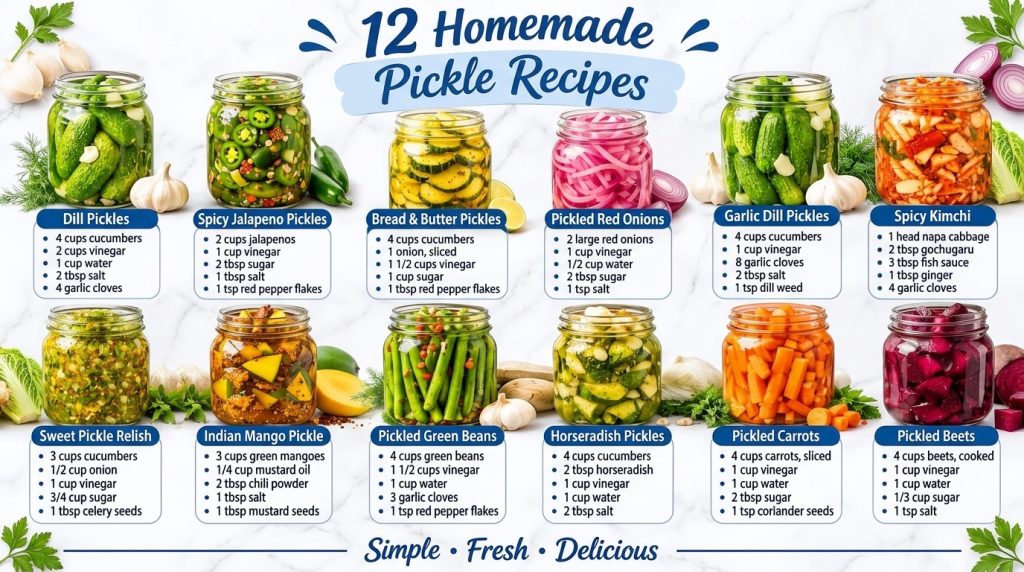
- Fresh vegetables such as cucumbers, green beans, carrots, or radishes
- Non-iodized salt, such as sea salt or kosher salt
- Filtered water
- Aromatics like garlic, dill, peppercorns, or mustard seeds
- Optional extras such as jalapeños, sliced onions, or citrus peel for a bright twist
A Simple Method for Quick Fermented Pickles
- Wash your vegetables well and cut them into spears, slices, or sticks that fit your jar.
- Dissolve salt in water to make a brine, usually around one tablespoon of salt per two cups of water, adjusting to your taste.
- Pack the vegetables tightly into a clean glass jar and add garlic, dill, and spices.
- Pour the brine over the vegetables, leaving some space at the top, and make sure everything stays submerged.
- Cover loosely and keep the jar at room temperature away from direct sunlight for a few days, tasting along the way until the flavor suits you.
- Move the jar to the refrigerator once it reaches your preferred tanginess, where it will keep for several weeks.
Tips for Safe and Tasty Results
Clean jars and fresh produce are essential. Keep vegetables fully covered by brine, since exposed pieces are more likely to spoil. If you notice mold, a foul smell, or slimy texture, it is best to discard the batch. Start with small jars so you can experiment with flavors without wasting ingredients.
Ideas to Try Next
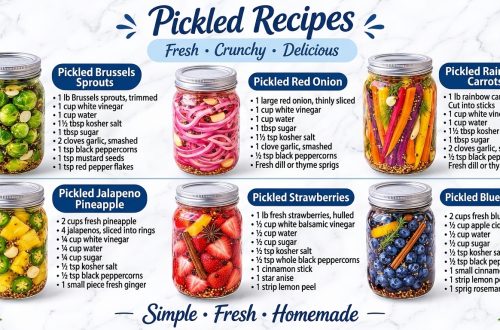
Once you are comfortable with the basics, try a few creative combinations. Spicy jalapeño and garlic pickles add heat to sandwiches and bowls. Carrot and ginger sticks bring a crisp, slightly sweet bite. Citrus-peel pickles offer a fresh, aromatic twist that pairs well with grilled dishes. Mixing vegetables also works beautifully, so feel free to combine cucumbers with red onions or green beans for a colorful jar.
Enjoying Pickles as Part of a Healthy Routine
Pickles work well as a snack, a side dish, or a topping for salads and grain bowls. Pair them with protein and fiber-rich foods for a satisfying plate. Remember that many pickles can be high in sodium, so enjoy them in moderation and adjust salt levels to suit your needs. If you have specific dietary concerns, it is a good idea to speak with a qualified health professional.
Final Thoughts
Homemade pickles are a simple, flavorful way to add variety to your kitchen and enjoy fresh vegetables in a new way. With a few basic ingredients and a little patience, you can create jars that suit your taste and your lifestyle. Start with one recipe this week and see which flavors become your favorites.