Most people walk past a bare winter branch and see nothing useful. Experienced gardeners see future plants. Many common hedge shrubs root easily from dormant hardwood cuttings taken in winter, and the real cost is little more than a sharp pair of pruners, a bucket, and some patience. Here is how to turn a handful of branches into a full hedge line.
What It Is
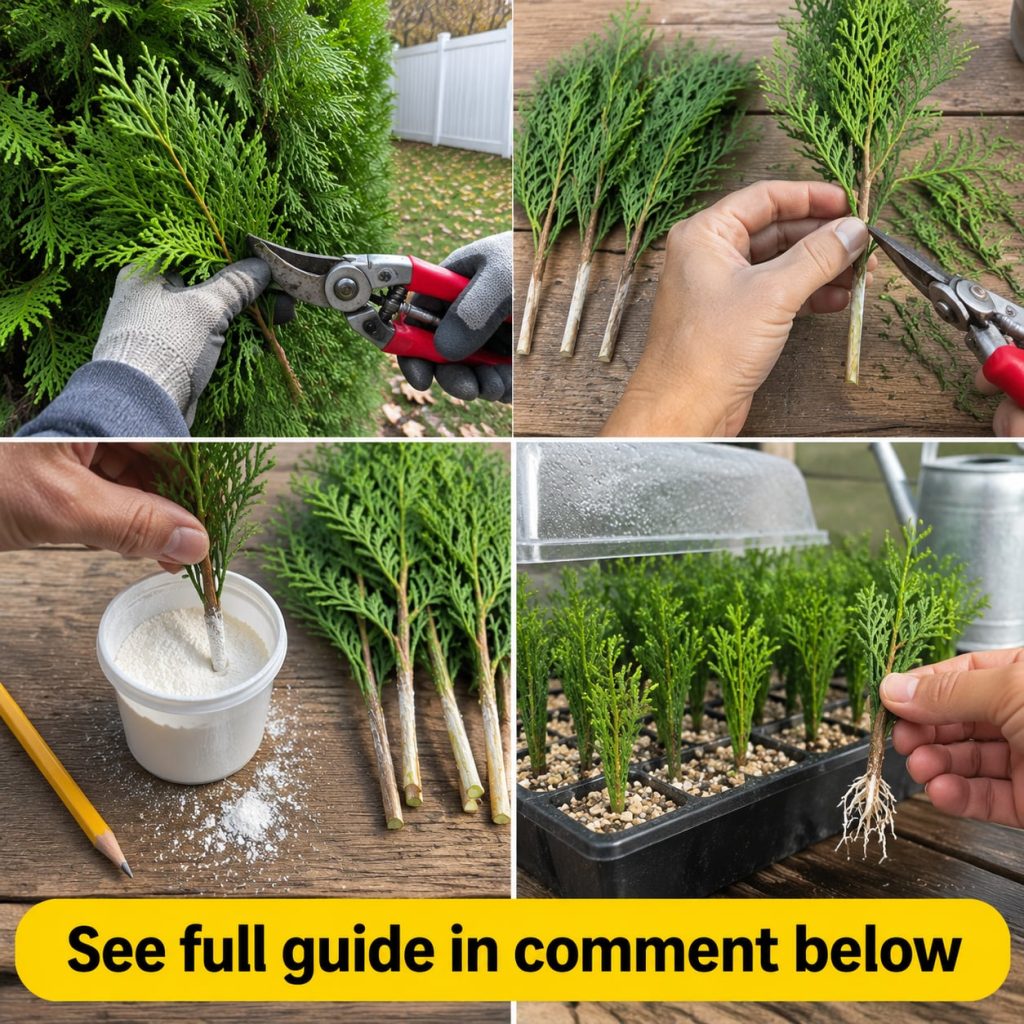
Hardwood cuttings are pieces of mature, leafless stems taken while the plant is dormant, usually between late autumn and late winter. Because the plant is not pushing new growth, the cutting can put its energy into forming roots once it is planted in moist soil in spring. This method is often called dormant hardwood propagation.
Plants That Root Well from Winter Cuttings
Not every hedge behaves the same way. Some species root quickly, while others are slow or unreliable. Use this quick-reference table before you cut.
| Plant | Rooting Ease | Typical Cutting Length |
|---|---|---|
| Willow | Very easy | 30 to 45 cm (12 to 18 in) |
| Red twig dogwood | Easy | 20 to 30 cm (8 to 12 in) |
| Forsythia | Easy | 20 to 25 cm (8 to 10 in) |
| Privet | Easy | 15 to 25 cm (6 to 10 in) |
| Currant | Moderate | 20 to 25 cm (8 to 10 in) |
| Yew | Difficult | Not recommended for beginners |
What You Need
- Healthy one-year-old stems about pencil-thick
- Sharp bypass pruners, cleaned with rubbing alcohol
- A bucket of water or a shallow tray of damp sand
- A plastic bag or box for cold storage
- A sheltered trench, nursery bed, or pots filled with well-drained soil
- Optional rooting hormone powder
Approximate Measurements
Aim for cuttings 20 to 25 cm (8 to 10 in) long with at least three to five healthy buds. A single 1 metre (3 ft) hedge gap usually needs 8 to 12 cuttings planted about 20 to 30 cm (8 to 12 in) apart, though you should plant a few extra because some will fail.
Step-by-Step Method
- Cut stems on a dry day when the plant is fully dormant, ideally in late winter before buds swell.
- Choose straight, healthy wood from the previous season. Avoid thin, shriveled, or diseased stems.
- Cut each piece just below a bud at the base, and make the top cut about 1 cm (1/2 in) above a bud. Keep the bottom cut straight and the top cut angled to tell them apart.
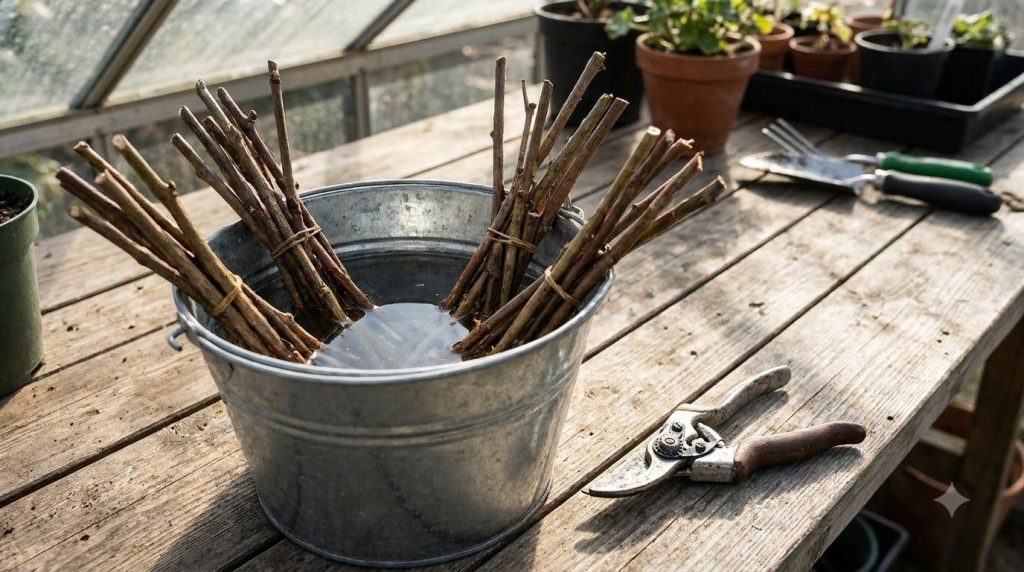
- Bundle cuttings with the same orientation, bottom ends together, and soak the bases in water overnight.
- Dip the bases in rooting hormone if you want faster results, then tap off the excess.
- Plant the cuttings in a trench or pots so that two-thirds of each cutting is buried, with at least one bud above the soil line.
- Firm the soil around each cutting and water thoroughly.
How to Use Them and How Often
Plant the cuttings in spring once the soil is workable, or keep them in a cold, moist state until then. Water when the top layer of soil feels dry, which may mean once or twice a week in dry weather. Do not fertilize heavily in the first season, because strong feeding encourages top growth before roots are established.
Check the bed every few weeks through spring and summer. Leaves usually appear within a few weeks if rooting has begun, but some cuttings may take a full growing season.
How to Choose Good Stems
Healthy stems make the difference. Look for firm bark, plump buds, and no mold, cankers, or insect damage. Stems from vigorous, well-watered plants root more reliably than stems from weak or stressed shrubs. Ask neighbors for permission before cutting, or use cuttings from your own pruning, which is an easy way to save money.
Storage
If you cannot plant right away, wrap the bundled cuttings in damp paper towel or place them in damp sand inside a sealed bag. Store them in a refrigerator at about 1 to 4 degrees C (34 to 39 F), and check every two weeks for mold or drying. Cuttings usually keep for six to eight weeks this way. Never let them freeze.
Practical Tips
Quick Tip: Label each bundle with the plant name and date. Many hedge species look similar when bare.
Did You Know? Willow stems often root so easily that they are used as a natural rooting aid for other cuttings.
Before You Plant: Mark the top end of each cutting with a dab of paint to avoid planting them upside down.
Common Mistakes
- Using stems that are damaged, diseased, or too thin
- Planting cuttings upside down
- Letting cuttings dry out during storage
- Storing them in wet jars or sealed containers without airflow
- Taking cuttings from sprayed or chemically treated plants
- Overwatering so the soil stays waterlogged
- Expecting a full hedge in the first season
Cautions and Who Should Avoid This
Some hedge plants, including privet and yew, contain parts that can be harmful if eaten, so keep cuttings and young plants away from children and pets. Check whether your chosen species is listed as invasive in your region before planting it. If you have allergies or sensitive skin, wear gloves when handling sap or cut stems.
Quick Summary
- Best method: Dormant hardwood cuttings taken in late winter
- Best plants to start with: Willow, dogwood, forsythia, and privet
- Storage: Cool, damp, and out of the freezer for up to 6 to 8 weeks
- When to plant: Early spring, once the soil can be worked
- What to avoid: Damaged wood, upside-down planting, and waterlogged soil
Frequently Asked Questions
Can I use fresh or dried branches?
Use fresh, living wood. Dried branches are dead and will not root.
How long can I store cuttings before planting?
Refrigerated, damp cuttings usually keep for six to eight weeks.
Can I refrigerate them?
Yes, a cool refrigerator at about 1 to 4 degrees C works well if the cuttings stay moist.
Can I freeze them?
No. Freezing damages the living tissue and reduces rooting success.
How often should I water new cuttings?
Water when the top layer of soil feels dry, usually once or twice a week depending on weather.
Can I reuse the leaves or unused stems?
Leaves are not used for hardwood cuttings, but unused healthy stems can be stored the same way for later planting.
Which part of the branch is best?
The middle section of one-year-old, pencil-thick wood usually roots most reliably.
When should I avoid this method?
Avoid it for plants that root poorly from hardwood, or when you need an established hedge immediately.
Short Conclusion
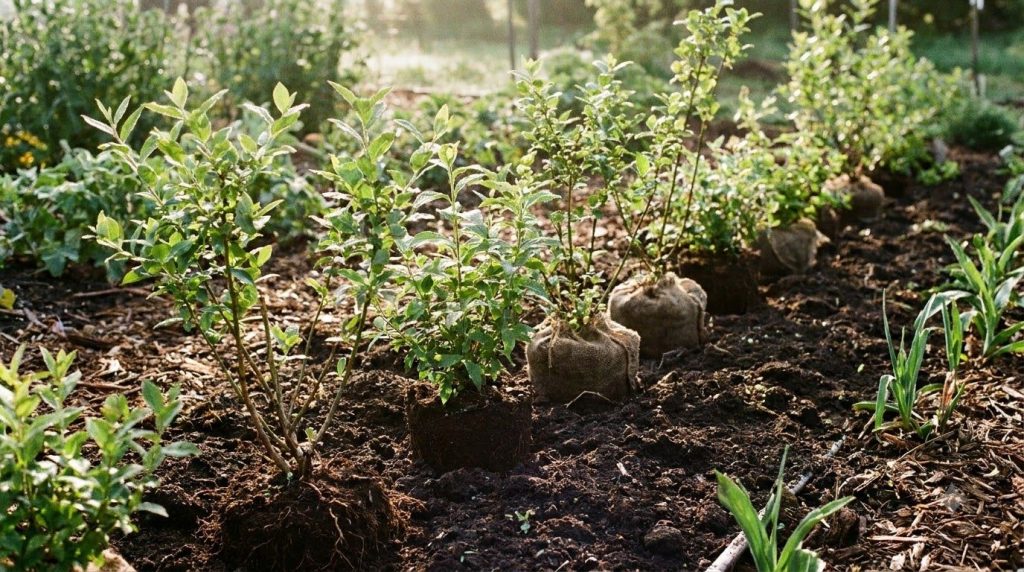
Winter branches can become a practical, low-cost hedge when you choose the right species, cut healthy wood, and plant it with care. Start with a small trial row, track which cuttings root, and expand next season.
Read more: how to plant bare-root shrubs for a strong start.
You may also like: a full guide to choosing hedge plants for privacy and wind protection.
See the full guide: how to prune hedges so they stay dense and healthy.