In a world brimming with processed options, returning to nature’s bounty—whole foods—is one of the most impactful choices you can make for your health. Nourishing your body and soul with these incredible ingredients brings you closer to optimal wellness, boosting your vitality from the inside out.
But what exactly are whole foods, and why are they so beneficial? Let’s dive into the world of wholesome eating and discover how embracing these natural treasures can transform your health journey.
What Exactly Are Whole Foods?
Simply put, whole foods are foods that are as close to their natural state as possible. They are minimally processed, free from added sugars, artificial ingredients, excessive salt, and unhealthy fats. Think of them as ingredients that retain their inherent nutritional value, just as nature intended.
Examples of Whole Foods Include:
- Fruits: Apples, bananas, berries, oranges, grapes, and more.
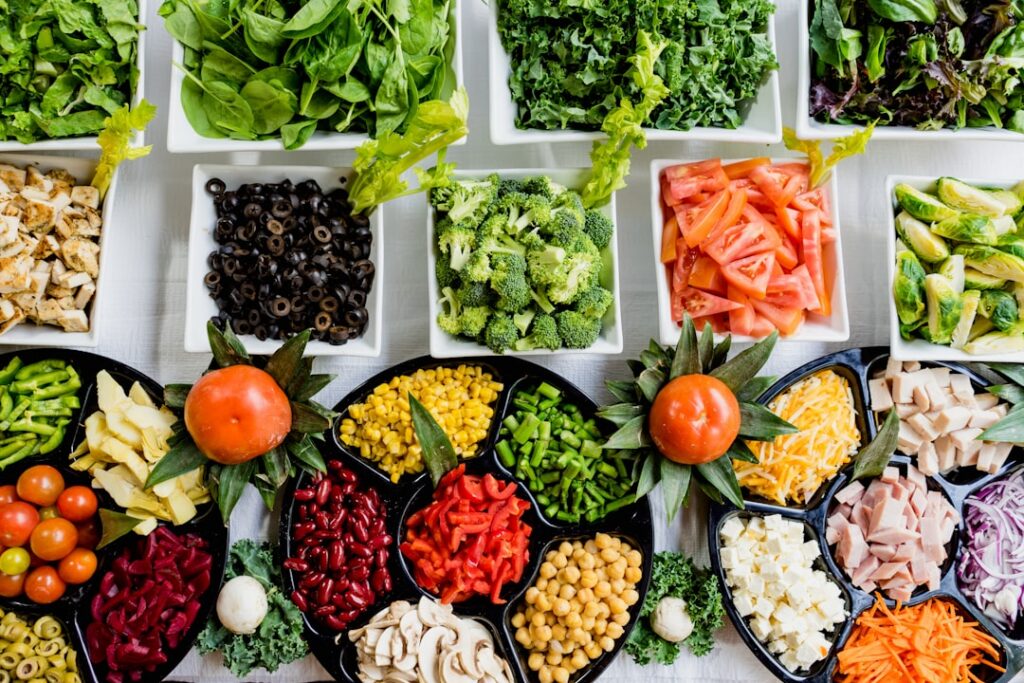
- Vegetables: Broccoli, spinach, carrots, sweet potatoes, bell peppers, leafy greens.
- Whole Grains: Oats, brown rice, quinoa, whole wheat, barley, corn.
- Legumes: Beans, lentils, chickpeas.
- Nuts and Seeds: Almonds, walnuts, chia seeds, flax seeds, pumpkin seeds.
- Lean Proteins: Fish, poultry, eggs, and plant-based proteins like tofu and tempeh (in their minimally processed forms).
These foods are packed with essential nutrients, fiber, and beneficial compounds that work synergistically to support your body’s functions.
The Incredible Benefits of Embracing Whole Foods
Choosing whole foods isn’t just about avoiding unhealthy ingredients; it’s about actively fueling your body with what it needs to thrive. The benefits are wide-ranging and deeply impactful:
1. Rich in Essential Nutrients
Whole foods are nutritional powerhouses, abundant in vitamins, minerals, antioxidants, and phytochemicals. These compounds are crucial for energy production, immune function, cell repair, and protecting your body against oxidative stress.
2. High in Fiber
Dietary fiber, found extensively in fruits, vegetables, whole grains, and legumes, is vital for digestive health. It promotes regular bowel movements, helps maintain a healthy gut microbiome, and may help support healthy blood sugar levels. Fiber also contributes to feelings of fullness, which can aid in weight management.
3. May Support Heart Health
Many whole foods, particularly fruits, vegetables, and whole grains, are known for their heart-protective properties. Their fiber content, antioxidants, and healthy fats (in nuts and seeds) are associated with maintaining healthy cholesterol levels and blood pressure, contributing to a lower risk of heart disease.
4. Sustainable Energy Levels
Unlike highly processed foods that can lead to energy spikes and crashes, whole foods provide sustained energy. Complex carbohydrates in whole grains and healthy fats offer a steady release of glucose, keeping you energized and focused throughout the day.
5. May Help Support Weight Management
Because whole foods are nutrient-dense and high in fiber, they tend to be more satiating, helping you feel fuller for longer. This natural satiety can reduce overall calorie intake and support healthy weight management goals.
6. Boosts Overall Well-being
Beyond the physical benefits, a diet rich in whole foods is associated with improved mood and cognitive function. The diverse nutrients play a role in neurotransmitter production and overall brain health, contributing to a greater sense of well-being.
Practical Ways to Incorporate More Whole Foods
Making the switch to whole foods doesn’t have to be drastic. Small, consistent changes can lead to significant improvements.
- Start with Breakfast: Opt for oatmeal with berries and nuts instead of sugary cereals.
- Snack Smart: Replace processed snacks with fruits, vegetable sticks with hummus, or a handful of almonds.
- Make Half Your Plate Veggies: At lunch and dinner, prioritize vegetables, aiming for a colorful variety.
- Choose Whole Grains: Swap white bread and pasta for whole-wheat versions, brown rice, or quinoa.
- Experiment with Legumes: Add beans or lentils to soups, salads, and stews for extra fiber and protein.
- Cook at Home More Often: Preparing your own meals gives you control over ingredients and helps you avoid hidden processed components.
Embrace Your Wholesome Journey!
Embracing whole foods is a powerful step towards a healthier, more vibrant life. It’s a journey of rediscovery, connecting with food in its most natural and beneficial form. Every wholesome choice you make is an investment in your well-being, paving the way for sustained energy, improved health, and a happier you.
Remember, this content is for informational purposes only and is not intended as medical advice. Always consult with a healthcare professional for any health concerns or before making any changes to your diet or lifestyle.