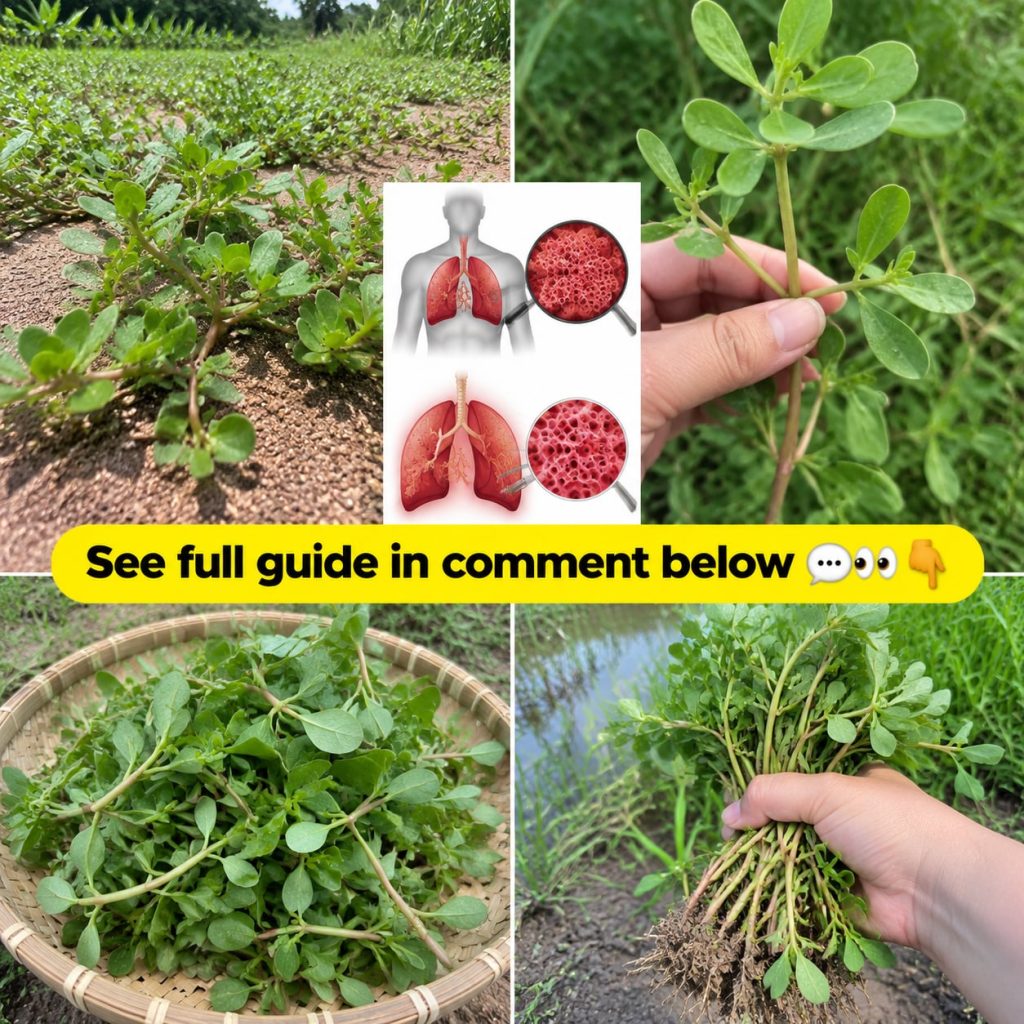
Purslane is a tender, succulent green that has been eaten and used in traditional wellness routines for generations. This guide gives you a simple fresh purslane salad recipe, explains what the traditional lung-health idea really means, and covers the safety points you should know before you eat it.
Quick Recipe
Prep time: 15 minutes
Best for: adding leafy greens to a balanced diet and enjoying a traditional wild green
Use type: fresh salad
Main ingredients:
- Fresh purslane leaves and tender stems
- Cucumber and tomato
- Lemon and olive oil dressing
Ingredients
- 2 cups fresh purslane leaves and tender stems, thoroughly rinsed
- 1 small cucumber, diced
- 1 small tomato, diced
- 2 tablespoons extra virgin olive oil
- 1 tablespoon fresh lemon juice
- 1 small garlic clove, finely minced
- 1 tablespoon finely chopped red onion, optional
- A pinch of salt and black pepper
How to Make It
- Rinse the purslane well under cold running water to remove any soil or grit, then pat it dry with a clean towel.
- Cut the purslane into bite-sized pieces, keeping the tender stems, and place them in a large bowl with the cucumber, tomato, and onion.
- In a small bowl, whisk together the olive oil, lemon juice, garlic, salt, and pepper. Pour the dressing over the salad and toss gently before serving.
How to Use It
- Serve the salad as a side dish with grilled fish, eggs, beans, or chicken to make a more complete meal.
- Eat it fresh the same day for the best texture and flavor, since purslane softens over time.
- Add a small handful of purslane to sandwiches, wraps, or grain bowls if you prefer a lighter option.
How Often to Use It
Enjoy this salad as part of a varied diet, for example one to three times a week, in a normal food portion. It works best as one of many vegetables in your meals rather than a daily remedy you rely on.
Why These Ingredients Are Used
Purslane
Purslane is a succulent green that is naturally rich in plant-based omega-3 fats, vitamin C, and minerals such as magnesium. It is often valued in traditional home cooking for its crisp, slightly tangy taste and its place among leafy greens.
Lemon and Garlic
Fresh lemon juice adds vitamin C and a bright flavor, while garlic adds a classic savory note that many people enjoy in simple dressings.
Olive Oil
Extra virgin olive oil adds healthy fats that help the salad feel satisfying and make the greens easier to enjoy as part of a balanced meal.
What Results to Expect
This salad is best seen as a nutritious, fresh addition to your meals. Its nutrients support general wellness and a balanced diet. It does not treat, cure, or prevent asthma, bronchitis, COPD, infections, or any other lung condition. Traditional lung-health ideas are cultural beliefs, and current scientific evidence for purslane as a respiratory treatment is limited.
Safety Notes
- Wash purslane thoroughly before eating, and avoid plants gathered from roadsides, sprayed areas, or polluted soil.
- Identify purslane carefully before foraging. Spurge, a plant that looks similar, has a milky sap when the stem is broken and is toxic. Purslane does not have this milky sap.
- Purslane contains oxalates. If you have a history of kidney stones or kidney problems, talk with your doctor before eating it regularly.
- If you take blood thinners or other medications, ask your doctor before adding large amounts of purslane to your diet, because leafy greens can affect how some medicines work.
- If you are pregnant, breastfeeding, or managing a health condition, check with your healthcare provider before making purslane a regular part of your diet.
- Seek medical care right away for trouble breathing, chest pain, wheezing that does not improve, or a cough that lasts or worsens. Do not use any food or herb in place of medical treatment.
- Stop eating it if you notice stomach discomfort, itching, or any allergic reaction.
FAQ
Can purslane treat lung problems?
No. Purslane can be part of a healthy diet, but it is not a treatment for lung conditions. If you have breathing problems, see a doctor.
Is it safe to eat purslane raw?
Many people eat purslane raw in salads after washing it well. If you have digestive sensitivity or kidney concerns, cooking it lightly is another option, and you should ask your doctor if you have specific health needs.
Where can I find purslane?
You can find purslane at farmers markets, some Asian and Mediterranean grocery stores, or by growing it yourself in a sunny spot. If you forage, be sure you can identify it correctly first.
Final Thoughts
Purslane is a simple, fresh green that fits well into a balanced diet, and this salad makes it easy to enjoy. For more practical herbal recipes and easy wellness ideas, keep exploring our Health Insight Blog.