Dry fruits, those concentrated pockets of nature’s goodness, are far more than just sweet treats. They are true nutritional powerhouses, packed with essential vitamins, minerals, fiber, and antioxidants that can significantly elevate your daily wellness. Discover how a simple addition of dry fruits to your daily routine can unlock incredible health advantages, making them a cornerstone of healthy eating.
From boosting energy to supporting heart health, these natural wonders nourish your body in remarkable ways. In this guide, we’ll delve into what makes dry fruits so beneficial, explore the unique advantages of popular varieties, and share practical tips for incorporating them seamlessly into your diet.
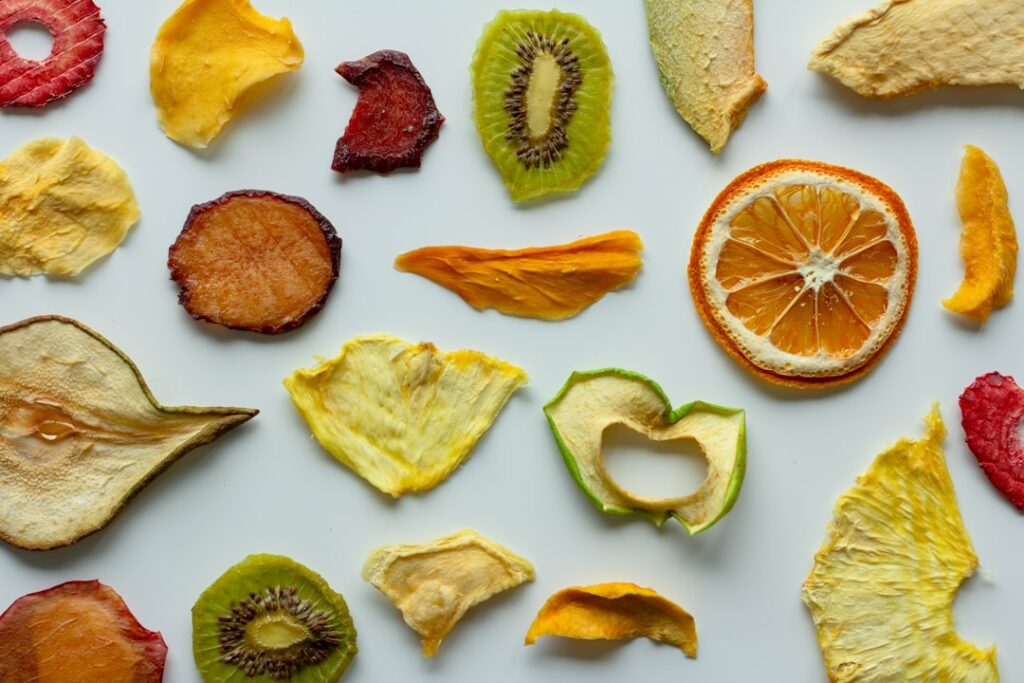
What Makes Dry Fruits So Powerful?
Dry fruits are essentially fresh fruits from which most of the water content has been removed through drying methods. This process concentrates their nutrients, making them a dense source of energy and beneficial compounds. But their power goes beyond mere concentration.
Concentrated Nutrition
Because their water content is reduced, dry fruits offer a more concentrated dose of vitamins, minerals, and other compounds compared to their fresh counterparts. A handful of raisins, for instance, provides a significant amount of iron, while almonds are rich in vitamin E and magnesium. This makes them an efficient way to boost your nutrient intake, supporting various bodily functions from immunity to bone health.
Fiber for Digestive Health
Most dry fruits are excellent sources of dietary fiber. Fiber is crucial for maintaining a healthy digestive system, aiding in regular bowel movements, and preventing constipation. It also contributes to satiety, helping you feel fuller for longer and potentially assisting with weight management when consumed in moderation. Foods for digestion often include these fiber-rich options.
Antioxidant Powerhouses
Many dry fruits, especially darker varieties like prunes and cranberries, are rich in antioxidants. These compounds help combat oxidative stress in the body, protecting cells from damage caused by free radicals. This protective action is linked to a reduced risk of chronic diseases and can contribute to overall longevity and well-being.
Natural Energy Boosters
Thanks to their concentrated natural sugars (fructose and glucose) and carbohydrates, dry fruits provide a quick and sustained energy boost. They are an ideal snack for athletes, students, or anyone needing a convenient pick-me-up during the day. This natural energy comes without the crash often associated with processed sugary snacks.
Popular Dry Fruits and Their Unique Benefits
While all dry fruits offer general health advantages, specific varieties stand out for their distinct nutritional profiles and benefits. Incorporating a variety into your diet ensures a broader spectrum of nutrients.
Almonds: Brain Power & Heart Health
Often considered the ‘king of nuts’ (though botanically a seed), almonds are packed with monounsaturated fats, vitamin E, magnesium, and protein. They are known for supporting brain health and enhancing cognitive function. Furthermore, the healthy fats in almonds contribute to heart health by helping to lower bad cholesterol levels.
Walnuts: Omega-3 Rich & Anti-Inflammatory
Walnuts are unique among nuts for their high content of alpha-linolenic acid (ALA), a plant-based omega-3 fatty acid. This makes them excellent for heart health and reducing inflammation throughout the body. Their distinctive brain-like shape even hints at their benefits for cognitive function.
Dates: Sweet Energy & Mineral Boost
These naturally sweet fruits are a fantastic source of energy, fiber, and essential minerals like potassium, magnesium, and copper. Dates are often used as a natural sweetener and can aid in digestive health. They are a popular choice for quick energy before or after a workout.
Raisins: Iron & Bone Support
Dried grapes, or raisins, are a good source of iron, which is vital for preventing anemia and supporting red blood cell production. They also contain calcium and boron, minerals important for bone health, making them a great snack for growing children and adults alike.
Apricots: Vision & Skin Health
Dried apricots are brimming with beta-carotene, which the body converts into vitamin A. Vitamin A is crucial for maintaining healthy vision, boosting immune function, and promoting radiant skin. They also provide a good dose of dietary fiber and potassium.
Easy Ways to Incorporate Dry Fruits into Your Diet
Adding dry fruits to your daily routine is simple and delicious. Here are some healthy eating tips to get started:
Smart Snacking
- On-the-Go Fuel: Keep a small bag of mixed dry fruits (best chia seeds, almonds, walnuts, raisins) for a quick, healthy snack when hunger strikes.
- Post-Workout Boost: A handful of dates or raisins can replenish energy levels after exercise.
Breakfast Boosters
- Oatmeal & Cereal: Sprinkle chopped almonds, walnuts, or dried apricots into your morning oatmeal, granola, or cereal for added flavor, texture, and nutrients.
- Yogurt Parfaits: Layer Greek yogurt with berries and a mix of your favorite dry fruits for a high-protein breakfast.
Culinary Creations
- Salad Toppers: Add sliced almonds or walnuts to salads for a satisfying crunch and nutritional boost.
- Baking & Cooking: Incorporate raisins into muffins, bread, or even savory dishes like couscous or rice pilaf for a touch of natural sweetness.
- Smoothie Enhancers: Blend a few dates or a spoonful of almond butter into your smoothies for extra creaminess and nutrients.
Common Questions About Dry Fruits
Are dry fruits healthy for weight loss?
When consumed in moderation, dry fruits can be part of a healthy weight loss diet. Their fiber content promotes satiety, helping to reduce overall calorie intake. However, due to their concentrated sugar and calorie content, portion control is crucial. Integrate them into a balanced calorie deficit meal plan.
What’s the best time to eat dry fruits?
Dry fruits can be eaten at any time of day. They make an excellent morning snack for sustained energy, a pre-workout fuel, or an afternoon pick-me-up. For those with digestive sensitivities, consuming them earlier in the day might be preferable.
How should I store dry fruits?
Store dry fruits in airtight containers in a cool, dark place to maintain freshness and prevent spoilage. Refrigeration can extend their shelf life, especially in warmer climates.
Are There Any Downsides?
While incredibly beneficial, it’s important to consume dry fruits in moderation. Their concentrated nature means they are higher in calories and natural sugars than their fresh counterparts. Overconsumption can lead to excess calorie intake and potential sugar spikes. Always check for added sugars in packaged varieties and opt for unsweetened options when possible.
Final Thoughts
Dry fruits are a fantastic way to introduce a burst of nutrition and flavor into your diet. From the brain-boosting power of walnuts to the vision-supporting beta-carotene in apricots, these natural powerhouses offer a convenient and delicious path to enhanced well-being. By understanding their benefits and integrating them wisely, you can truly unlock the power of dry fruits and nourish your body from the inside out.