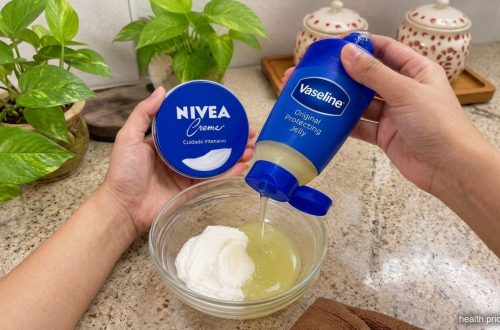
Most people throw away the milky liquid they see on a papaya stem without a second thought. That sap is the part many home remedy fans keep an eye on, but it is also the part that can irritate skin if handled carelessly. Here is how to think about it before you try it on rough, cracked heels.
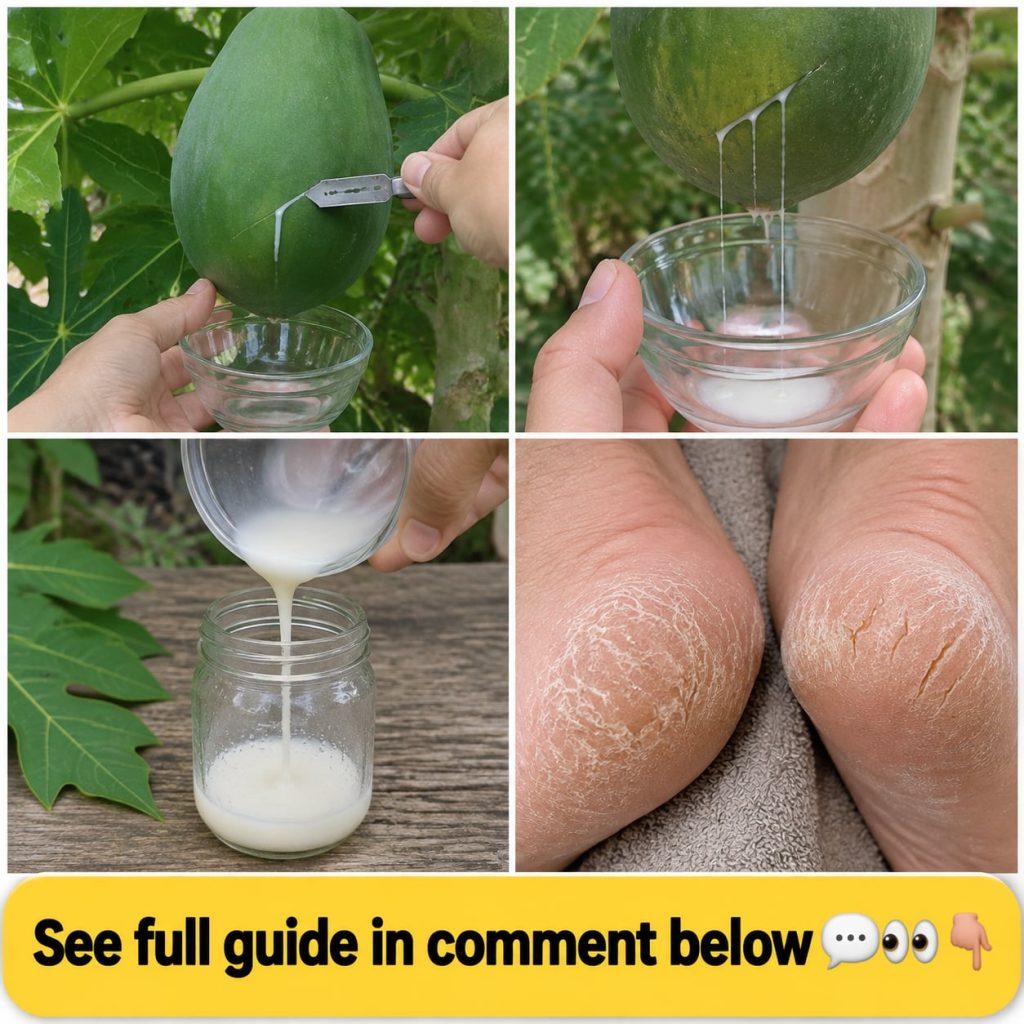
What Papaya Sap Is
Papaya sap is a milky latex produced by the papaya plant, mainly from unripe fruit and young stems. It contains the enzyme papain, which is why people sometimes compare it to a gentle exfoliating ingredient. Because the sap is sticky and can sting on broken skin, it should be treated as an active preparation, not a casual rub.
Ingredients and Approximate Measurements
- 1 teaspoon fresh papaya sap (very small amount, only from a clean, unripe fruit)
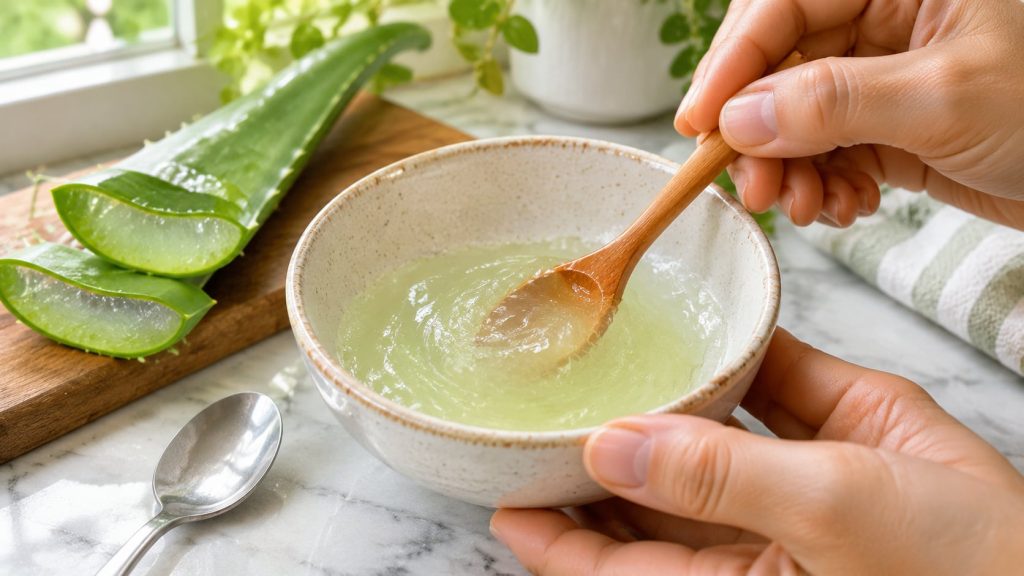
- 2 teaspoons pure aloe vera gel as a base
- 1 teaspoon raw honey, optional for moisture
- 1 small clean glass or ceramic bowl
Use fresh ingredients and never mix more than you need for one application.
Formula and Step-by-Step Method
- Wash your feet and dry them completely. Trim loose dead skin gently with a pumice stone first.
- Collect the sap carefully from an unripe papaya using a clean spoon. Do not scrape the fruit surface.
- In the bowl, mix the sap with the aloe gel. Add honey only if you want extra softness.
- Stir slowly until the mixture is smooth and no longer sticky.
- Apply a thin layer to the cracked areas only, avoiding open cuts or irritated skin.
- Cover with cotton socks and leave on for 10 to 15 minutes.
- Rinse with lukewarm water and pat dry. Follow with a plain, fragrance-free moisturizer.
Quick Reference: Preparation Options
| Preparation | Best Use | Shelf Life | Skin Sensitivity |
|---|---|---|---|
| Fresh sap with aloe gel | Small cracked areas, short sessions | Use within 24 hours | Higher, patch test first |
| Papaya pulp mask | Gentle softening on thicker skin | Use immediately | Lower |
| Commercial papaya foot cream | Daily maintenance | Follow label | Lower, usually diluted |
How Often to Use It
Start with once or twice a week. Watch your skin for 24 hours after the first use. If you notice redness, burning, or itching, stop and rinse. Most readers who want steady results stick to a simple routine: a gentle foot scrub once a week, a moisturizer every night, and no more than two sap-based treatments in the same week.
How to Buy and Choose Ingredients
Choose firm papaya fruit with no mold, bruising, or soft spots. Look for aloe vera gel with a short ingredient list and no added alcohol. If you do not want to collect sap at home, consider a reputable papaya-based foot product made by a skincare brand that lists papain and its concentration.
Storage
Store fresh sap-and-aloe mixtures in a clean, sealed glass container in the refrigerator for up to 24 hours. Discard any leftovers that change color, smell sour, or separate strangely. Never store the mixture in a wet jar that already has water or residue inside, since bacteria can grow quickly.
Practical Tips
- Soak feet in warm water for 5 minutes before application to soften the skin.
- Apply at night so the skin has time to recover without shoes and friction.
- Use cotton socks to keep the mixture in place and prevent staining sheets.
- Keep a small tub of plain moisturizer nearby for quick follow-up.
Quick Tip: A little goes a long way. A pea-sized amount of mixture is enough for both heels.
Common Mistakes
- Using sap on open cracks or bleeding skin.
- Leaving the mixture on for hours because it feels soothing.
- Skipping the patch test on the inner arm.
- Using sap from ripe, bruised, or sprayed fruit.
- Storing leftovers for several days.
- Combining it with harsh scrubs or strong acids on the same day.
Cautions and Who Should Avoid It
Avoid papaya sap if you have a known latex allergy, papaya allergy, eczema flare, diabetes-related foot skin issues, or any infection on your feet. Pregnant women should check with a healthcare professional before using papaya-derived products on the skin. If cracked heels are deep, painful, or bleeding, see a doctor or podiatrist rather than treating them at home.
Quick Summary
- Best preparation: a tiny amount of fresh sap mixed with aloe gel, used on intact skin only.
- Best use case: softening light to moderate cracked heels between regular foot care.
- Storage: refrigerate and use within 24 hours.
- When to use: once or twice a week at night.
- What to avoid: open wounds, latex allergy, and leftover mixtures.
FAQ
Can I use fresh or dried papaya sap?
Fresh sap is the usual choice for this preparation. Dried latex loses texture and is harder to mix evenly, so most people prefer a fresh or commercially prepared product.
How long does the mixture last?
Use it within 24 hours and keep it refrigerated. Do not reuse leftovers the next day.
Can I refrigerate it?
Yes, refrigeration helps slow spoilage. Use a clean, sealed glass container and avoid repeated opening.
Can I freeze it?
Freezing is not recommended because the texture changes and the enzymes may weaken.
Which part of the papaya is best?
Most sap comes from unripe fruit and young stems. Ripe fruit is better for eating and pulp masks, not for sap collection.
Can I reuse the leftover mixture?
No. Make only what you need for one session to keep the skin safe and the preparation fresh.
When should I avoid it?
Avoid it with open cracks, infections, known allergies, or if your skin burns during the patch test.
Is it better than a regular foot cream?
It is not a replacement for daily moisturizer. Think of it as a short, occasional softening step.
Conclusion
Papaya sap can be a practical part of a foot care routine when you use it carefully, in small amounts, and only on intact skin. Keep the preparation fresh, patch test first, and follow up with a good moisturizer. Read more: our guides on gentle foot scrubs and aloe vera skincare routines can help you build a steady routine.
You may also like: Continue with our full guide to homemade foot balms for dry, cracked heels.
Related remedy: See the full guide to natural moisturizing ingredients for rough skin.