If you are looking for a simple DIY age spot remedy, this homemade paste combines three everyday bathroom staples: baking soda, petroleum jelly, and baby oil. It takes about five minutes to mix and is designed for gentle, consistent use rather than instant results.
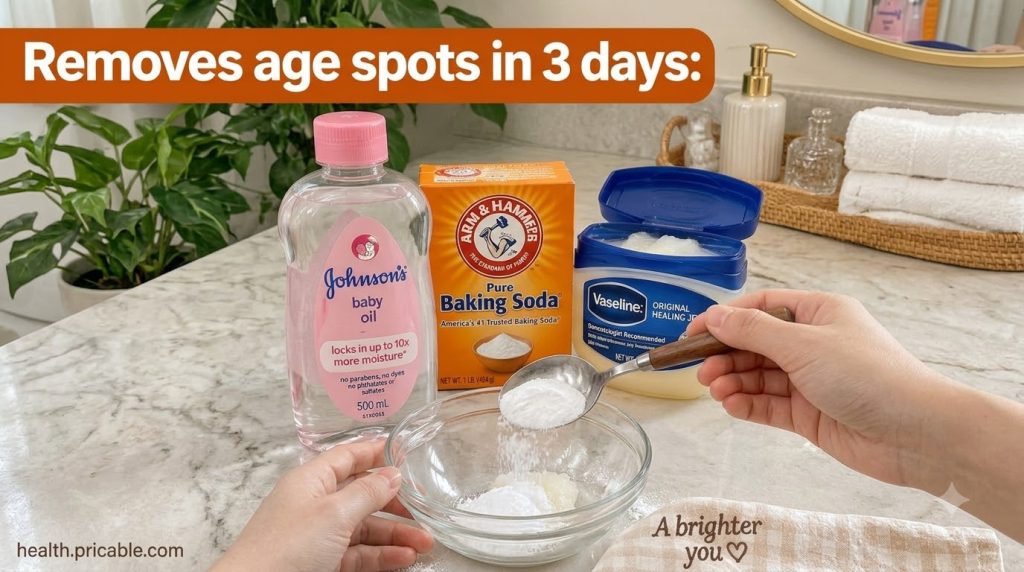
Quick Recipe
Prep time: about 5 minutes
Best for: uneven-looking age spots and dullness on small areas of skin
Use type: paste
Main ingredients:
- 1 teaspoon baking soda
- 1 tablespoon petroleum jelly
- 1/2 teaspoon baby oil
Ingredients
- 1 teaspoon baking soda, finely powdered
- 1 tablespoon petroleum jelly
- 1/2 teaspoon baby oil
- A clean small glass bowl and a spoon
- Cotton swabs and a clean washcloth
How to Make It
- Add the baking soda to a clean, dry glass bowl.
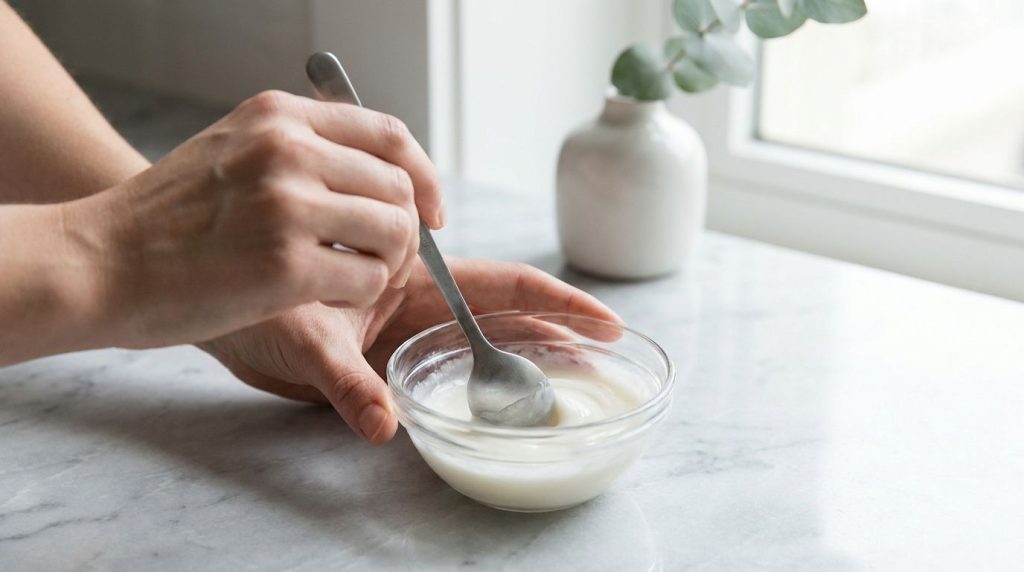
- Spoon in the petroleum jelly and stir until the mixture starts to blend.
- Add the baby oil a few drops at a time and stir until you have a smooth, spreadable paste. Add a tiny bit more oil if it feels too thick.
- Store any leftovers in a clean, sealed container away from water and use within a few days.
How to Use It
- Wash the area with lukewarm water and a mild cleanser, then pat dry completely.
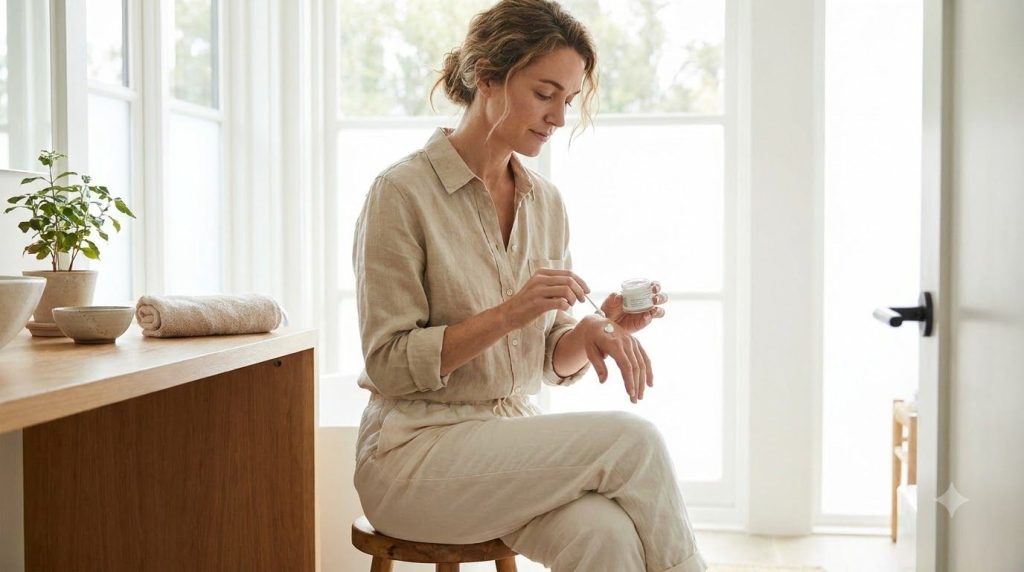
- Dip a cotton swab into the paste and apply a very thin layer only to the age spot, staying off the surrounding skin.
- Leave it on for no more than 5 minutes, then rinse gently with lukewarm water and pat dry. Follow with your usual moisturizer.
How Often to Use It
Use this paste no more than two or three times per week, and skip days when your skin feels tender. Because baking soda can be mildly abrasive, shorter contact time is safer than longer sessions. Give your skin at least a few weeks of gentle use before judging how it looks.
Why These Ingredients Are Used
Baking Soda
Baking soda is a traditional home ingredient often used as a gentle exfoliating powder. It may help lift the look of dullness on the surface of the skin.
Petroleum Jelly
Petroleum jelly creates a protective layer that can help keep the area moisturized and calm dryness while the paste sits on the skin.
Baby Oil
Baby oil gives the paste a smoother, more spreadable texture and can leave skin feeling softer and less tight after rinsing.
What Results to Expect
This remedy may help skin look more even and softer-looking over time, especially for small spots that are mainly surface-level. Results vary from person to person, and it cannot remove deeper pigment or change the color of a spot overnight. Think of it as a simple routine that supports a brighter-looking complexion alongside good sun protection.
Safety Notes
- Patch test first for topical remedies by applying a small amount to the inner arm for 24 hours.
- Use gently and never scrub hard.
- Avoid irritated, broken, or sunburned skin.
- Stop using it if redness, burning, itching, or stinging occurs.
- Baking soda can be drying, so always follow with moisturizer and daily sunscreen.
- Have any new, changing, or irregular spot checked by a dermatologist, since some dark marks need professional evaluation.
- Do not apply near the eyes, lips, or on moles.
FAQ
Can this remove age spots completely?
There is no guarantee. This homemade paste is a gentle routine that may help spots look less noticeable, but it cannot erase deeper pigment or replace professional treatments.
Why is baby oil in the recipe?
Baby oil helps the paste spread smoothly and can leave skin feeling softer after rinsing, which makes the routine more comfortable.
Can I use this paste on my face every day?
It is better to use it only two or three times per week and to keep application limited to the spot itself. Daily use can irritate sensitive skin.
Final Thoughts
A simple bathroom remedy like this is an easy place to start when you want a gentle, budget-friendly routine. Keep your expectations realistic, protect your skin from the sun, and share your experience in the comments below. Explore more homemade beauty ideas on our site for practical recipes you can make at home.