Tired of the same old lunch routine? Imagine transforming your midday meal into a vibrant, delicious, and incredibly healthy culinary masterpiece. Embracing the concept of healthy sandwiches allows you to elevate your lunch game, bringing the flavors of your favorite deli right to your home kitchen. It’s an opportunity to get creative, pack in nutrients, and enjoy truly satisfying food that looks as good as it tastes.
This guide will help you unleash your inner sandwich artist, providing practical tips and inspiration to craft delicious, nutritious, and visually appealing homemade sandwiches. Say goodbye to dull lunches and hello to a wellness journey filled with delightful bites!
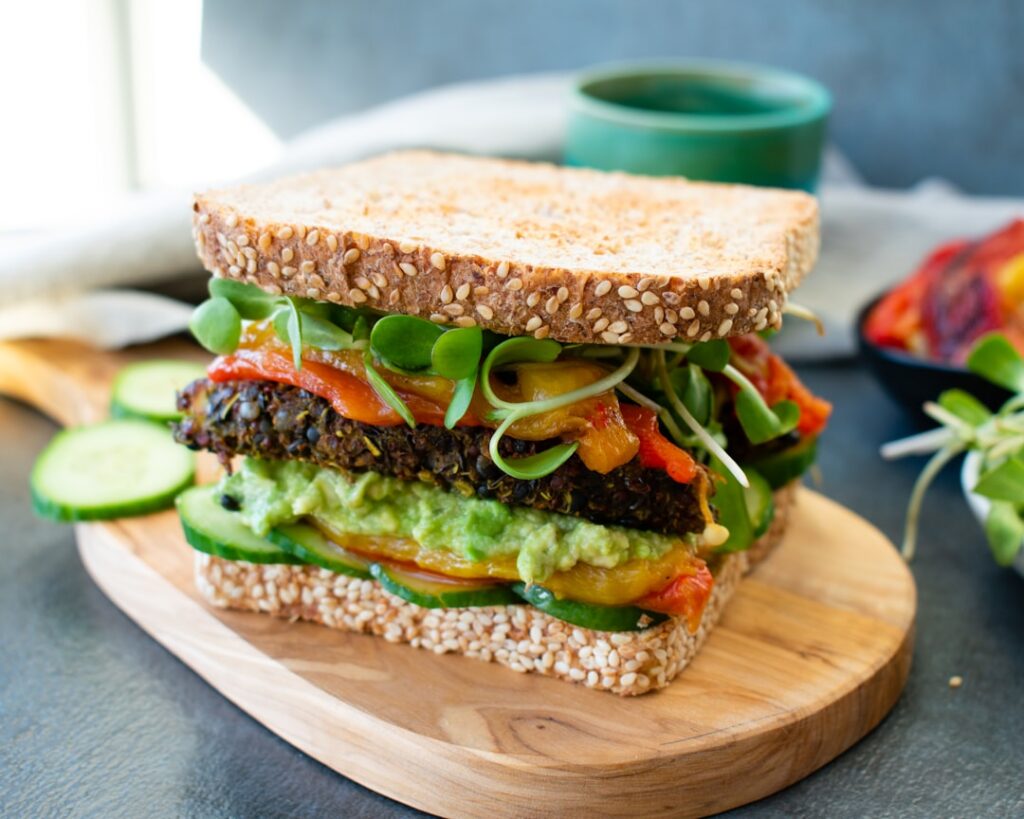
The Art of a Healthy Sandwich: Core Components
Creating a truly healthy and satisfying sandwich starts with understanding its fundamental building blocks. Each component plays a vital role in both nutrition and flavor.
Choosing Your Foundation: Smart Bread Choices
The bread forms the base of your creation, so choose wisely. Opt for options that provide sustained energy and essential nutrients rather than empty calories.
- Whole-Grain Breads: Look for 100% whole wheat, whole rye, or multi-grain varieties. These are rich in fiber, which aids digestion and helps you feel full longer.
- Lettuce Wraps: For a gluten-free or low-carb option, large lettuce leaves (like butter lettuce or romaine) make excellent, crunchy wraps.
- Whole Wheat Tortillas/Pitas: These offer versatility and can be great for quick wraps or pockets.
Consider checking reviews for the best whole grain bread brands that prioritize natural ingredients and high fiber content.
Protein Power: Fueling Your Fillings
Protein is crucial for muscle repair, satiety, and energy. Aim for lean, high-quality protein sources to keep your sandwich nutritious and satisfying.
- Lean Meats: Sliced turkey breast, chicken breast, or lean roast beef are excellent choices. Look for low-sodium, minimally processed options.
- Plant-Based Proteins: Chickpea salad, hummus, black bean burgers (crumbled), tempeh bacon, or a hearty lentil spread can provide substantial plant-powered protein.
- Eggs: Hard-boiled or sliced omelet make a great addition, especially for a breakfast sandwich idea.
To boost your protein intake, especially for high-protein low-calorie meals, explore options like adding a scoop of your favorite hummus or a sprinkle of nutritional yeast for a cheesy flavor.
Veggie Vibrancy: Adding Color and Nutrients
This is where your sandwich truly comes alive! Load up on fresh vegetables for vitamins, minerals, fiber, and delightful crunch.
- Leafy Greens: Spinach, arugula, kale, or mixed greens add a fresh, peppery, or slightly bitter note.
- Crunchy Vegetables: Sliced cucumbers, bell peppers, carrots, radishes, or celery provide satisfying texture.
- Juicy Tomatoes: Fresh slices of ripe tomatoes add a burst of flavor and moisture.
- Onions & Pickles: Thinly sliced red onion, pickled onions, or dill pickles can add a tangy kick.
Spreads & Sauces: Flavor Without the Guilt
Often overlooked, spreads can make or break a sandwich. Choose options that add flavor and moisture without excess unhealthy fats or sugars.
- Avocado: A creamy, healthy fat source that adds richness and a beautiful green hue.
- Hummus: Packed with protein and fiber, hummus comes in many flavors and is a great alternative to mayonnaise.
- Mustard: Dijon, whole grain, or spicy mustard adds tang and zest with minimal calories.
- Pesto: A small amount of fresh pesto can add a punch of herbaceous flavor.
Making Your Sandwich Aesthetic: Visual Appeal Matters
Part of the joy of eating is experiencing food with all your senses. An aesthetically pleasing sandwich is more enjoyable and can encourage healthier eating habits.
Layering Techniques
- Even Distribution: Spread your ingredients evenly across the bread for a balanced bite every time.
- Strategic Stacking: Place wetter ingredients (like tomatoes) between drier ones (like cheese or protein) to prevent sogginess.
- Fluff Up Your Greens: Don’t flatten your lettuce; let it create volume and texture.
Color Contrast
Think about combining ingredients that offer a variety of colors. Red tomatoes, green lettuce, yellow bell peppers, and purple onion can turn a simple sandwich into a feast for the eyes.
Garnishes
A sprinkle of fresh herbs (parsley, cilantro), sesame seeds, or a drizzle of balsamic glaze can elevate your sandwich from simple to sophisticated.
Simplify Your Lunch: Meal Prep & Quick Assembly Tips
Homemade meals are often healthier and more budget-friendly. Incorporating sandwiches into your meal prep routine can save time and ensure you always have a nutritious option on hand.
Batch Prep Ingredients
On a Sunday, wash and chop all your vegetables, cook a batch of chicken or hard-boil eggs, and prepare a chickpea salad. Store each component separately in airtight containers.
For efficient organization, consider investing in the best meal prep containers that keep ingredients fresh and separate.
Assembly Line Strategy
When it’s time to make your sandwich, lay out all your prepped ingredients and assemble them assembly-line style. This is especially helpful if you’re making multiple sandwiches for the week.
On-the-Go Solutions
To prevent soggy sandwiches, pack wet ingredients (like sliced tomatoes or dressing) separately and add them just before eating. Use sturdy bread or wraps that hold up well.
Frequently Asked Questions About Healthy Sandwiches
How to keep sandwiches from getting soggy?
Toast your bread lightly before adding fillings, use sturdier whole-grain breads, and create a barrier with leafy greens or a slice of cheese between wet ingredients and the bread. Pack dressings and very wet ingredients separately.
What are some vegetarian healthy sandwich options?
Beyond the classic hummus and veggie, consider a roasted vegetable sandwich with balsamic glaze, a chickpea salad sandwich, a pesto and mozzarella sandwich (use fresh mozzarella for less fat), or a mushroom and spinach melt.
Can sandwiches be part of a weight loss diet?
Absolutely! Focus on whole-grain bread, lean proteins, and plenty of vegetables. Be mindful of high-calorie spreads like excessive mayonnaise or rich sauces. Portion control and balanced ingredient choices make sandwiches an excellent choice for a calorie-deficit meal plan.
Final Thoughts
Unleashing your inner sandwich artist is about more than just making a meal; it’s about embracing creativity, enjoying fresh ingredients, and taking control of your healthy eating journey. With a little planning and imagination, you can transform simple ingredients into incredible, easy-to-make healthy sandwich recipes that are both satisfying and beautiful. Experiment with different combinations, colors, and textures, and discover the endless possibilities of homemade, healthy meals.
Medical Disclaimer
The information provided in this article is for general knowledge and informational purposes only, and does not constitute medical advice. It is essential to consult with a qualified healthcare professional or registered dietitian before making any significant changes to your diet or if you have any health concerns.