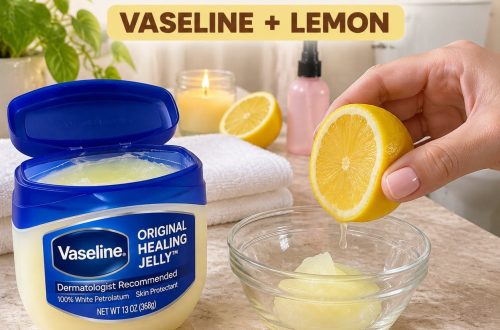
Scroll through any beauty feed lately and you will likely spot a glossy jar of petroleum jelly sitting next to a halved lemon. The promise sounds simple: mix the two, apply, and wake up with brighter, smoother, more glowing skin. Before you head to the kitchen, let us take a closer look at what this popular combination can actually do and where it can go wrong.
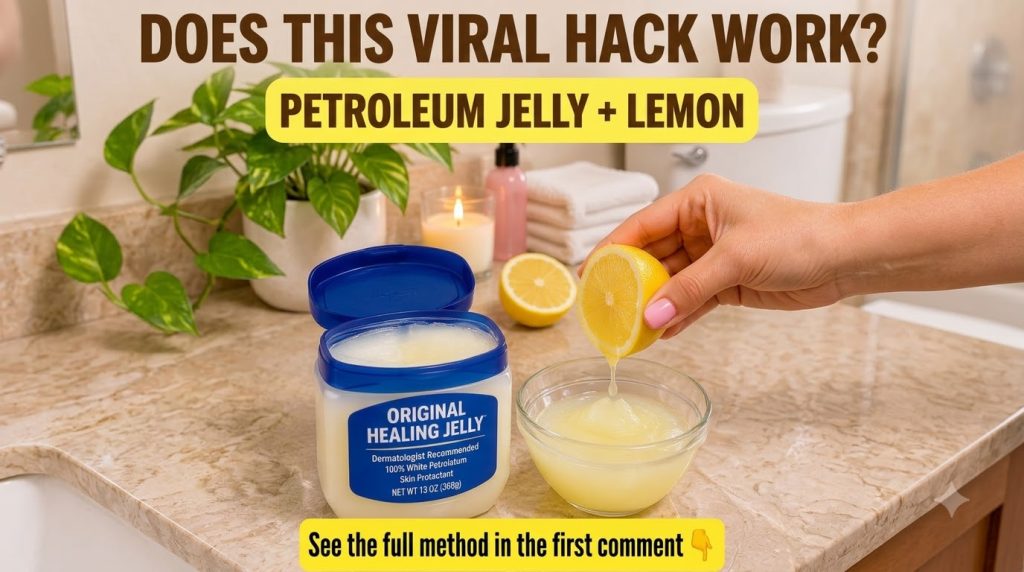
What the Viral Trend Claims
Most posts describe the blend as a multi-purpose treatment. Supporters say it softens rough patches, fades the look of dark spots, brightens dull skin, and locks in moisture overnight. The lemon is usually presented as the active ingredient, while the petroleum jelly is described as the carrier that helps the mixture stay on the skin.
What Petroleum Jelly Actually Does
Petroleum jelly, also known as petrolatum, is one of the most studied skin protectants on the market. It works mainly as an occlusive, meaning it forms a thin barrier that slows water loss from the surface of the skin. This is why it is so often recommended for dry skin, minor scrapes, and chapped lips. It does not penetrate deeply, and it does not change pigment or repair damage by itself. Its strength is protection and hydration, which is genuinely useful but more modest than the viral claims suggest.
Why the Lemon Is the Risky Part
Lemon juice is acidic and contains compounds that can irritate sensitive skin. More importantly, citrus juice can make skin more sensitive to sunlight, which raises the risk of burns and dark patches, especially if you apply it and then go outside. Applying lemon to broken, freshly exfoliated, or inflamed skin can cause stinging and redness. The idea that lemon will bleach dark spots safely at home is not supported by dermatology guidance, and the mix is not a substitute for proven treatments.
Does It Really Work?
The honest answer is that the combination may make skin feel softer for a short time because the petroleum jelly seals in moisture. However, there is little reliable evidence that adding lemon improves results, and the lemon adds real risk. If your goal is smoother, healthier-looking skin, the petroleum jelly alone is the part with the strongest support.
Safer Ways to Get Similar Results
- Apply plain petroleum jelly to damp skin right after cleansing to lock in moisture.
- Choose a gentle daily moisturizer with ingredients such as glycerin, ceramides, or hyaluronic acid.
- Use a broad-spectrum sunscreen every morning, since sun protection does more for uneven tone than most home mixes.
- Ask a dermatologist about proven options for dark spots, such as topical treatments with clinically tested active ingredients.
Before You Try Any Viral Hack
Always patch test a small area on your inner arm or behind your ear for at least 24 hours. Stop immediately if you notice burning, itching, swelling, or rash. Avoid putting lemon on your face before going into the sun, and never use the mixture on open wounds. If you have a skin condition, speak with a healthcare professional before experimenting.
Final Thoughts
Petroleum jelly is a reliable, affordable moisture barrier, but the lemon in this viral hack is the part that deserves caution. Keep the simple parts that protect your skin, skip the parts that could irritate it, and let evidence guide your routine. What do you think about this trend? Share your experience in the comments below.